FILTERS
Which Ayurvedic Medicinal Plants and Herbs Are Traditionally Used for Wellness?

Ayurvedic medicinal plants include herbs such as Amla, Ashwagandha, Brahmi, Tulsi, Triphala ingredients, Bhringraj, Shatavari and ginger. Ayurveda traditionally selects herbs according to the person's health concern, digestion, constitution and current dosha balance rather than using every herb for everyone. Their uses range from digestive and hair support to vitality and everyday wellness.
TL;DR – What Should You Know About Ayurvedic Medicinal Plants?
- Ayurvedic Herbs Have Many Forms: Herbs are traditionally used as foods, spices, powders, decoctions, oils, and classical formulations depending on the purpose.
- No Herb Suits Everyone: Ayurveda selects herbs based on Prakriti, Agni, dosha balance, age, season, health concern, and individual suitability.
- Different Herbs Support Different Needs: Ginger and Triphala support digestion, Bhringraj, Amla, and Brahmi support hair care, while Tulsi, Amla, and Guduchi support general resilience.
- Rasayana Herbs Nourish the Body: Ashwagandha and Shatavari are traditionally used in rejuvenative routines for strength, nourishment, balance, and long-term wellness.
- Natural Does Not Always Mean Safe: Herbal products may cause side effects, interact with medicines, or contain unsafe metals, so quality and professional guidance matter.
What Are Ayurvedic Medicinal Plants?
Ayurvedic medicinal plants are herbs, roots, fruits, flowers, seeds, bark and other botanical ingredients traditionally used within Ayurveda.
They may be consumed or applied in different forms, including:
- fresh herbs
- powders or Churna
- decoctions or Kashaya
- herbal infusions
- oils
- medicated ghee
- tablets or capsules
- Avaleha or herbal jams
- classical multi-herb formulations
Ayurveda generally does not look at a plant only in terms of one active chemical compound.
Traditional evaluation may consider qualities such as:
- Rasa — taste
- Guna — qualities
- Virya — heating or cooling potency
- Vipaka — post-digestive effect
- influence on Vata, Pitta and Kapha
Read More On : Vata, Pitta and Kapha Dosha---->
Which Ayurvedic Plants Are Commonly Used and What Are Their Traditional Uses?
Here are some of the better-known Ayurvedic plants and their uses.
|
Ayurvedic plant/herb |
Traditional Ayurvedic use |
|
Amla (Amalaki) |
Rejuvenation, digestion and general nourishment |
|
Ashwagandha |
Stress, vitality, strength and restorative support |
|
Brahmi |
Memory, concentration and mental wellbeing |
|
Bhringraj |
Traditional hair and scalp care |
|
Tulsi |
Respiratory wellness and general resilience |
|
Guduchi (Giloy) |
Traditionally used for general wellness and resilience |
|
Shatavari |
Nourishing Rasayana traditionally associated with women's wellness |
|
Ginger |
Digestion, appetite and gastrointestinal comfort |
|
Turmeric |
Traditionally used in food and wellness preparations |
|
Haritaki |
Digestive and bowel support |
|
Bibhitaki |
One of the three fruits used in Triphala |
|
Neem |
Traditionally used in skin and cleansing routines |
The traditional use of an herb does not automatically mean that every claimed benefit has been established in clinical research.
Evidence varies considerably from one herb and preparation to another.
How Does Ayurveda Choose the Right Herb for a Person?
Ayurveda traditionally begins with the individual rather than the ingredient.
A practitioner may consider:
- the person's main health concern
- Prakriti or constitution
- current dosha imbalance
- digestive strength or Agni
- appetite and bowel habits
- age
- season
- sleep and stress
- medicines already being taken
- existing health conditions
For example, the same herb may not be used identically in someone experiencing dryness and irregular digestion versus someone experiencing heat and acidity.
This individualisation is one reason simply copying a list of “top 10 Ayurvedic herbs” is not the traditional Ayurvedic approach.
Which Ayurvedic Herbs Are Traditionally Used for Digestion?
Ayurvedic herbs for digestion are one of the strongest traditional applications of herbal ingredients.
Ayurveda places considerable importance on Agni, or digestive and metabolic capacity.
Common digestive herbs and spices include:
How Is Ginger Traditionally Used for Digestion?
Ginger is one of Ayurveda's best-known warming digestive ingredients.
It is traditionally used when digestion feels:
- sluggish
- heavy
- irregular
- accompanied by mild nausea or gastrointestinal discomfort
Modern research has examined ginger particularly for nausea and vomiting. NCCIH notes that ginger has traditionally been used for indigestion and gastrointestinal discomfort, although evidence differs depending on the specific condition and preparation. (nccih.nih.gov)
Ginger can also cause:
- heartburn
- abdominal discomfort
- diarrhoea
- mouth or throat irritation
in some people.
How Are Cumin, Coriander and Fennel Used?
Cumin, coriander and fennel are commonly used as culinary spices and in digestive infusions.
The combination is popularly known as CCF tea.
Ayurveda traditionally uses these ingredients to create a gentler digestive infusion than very strongly heating spices.
How Is Triphala Traditionally Used?
Triphala combines three fruits:
- Amalaki
- Haritaki
- Bibhitaki
It is traditionally associated with digestive and bowel support.
Read our guide on Triphala ,benefits ,uses ,side effects and more--->
Which Ayurvedic Herbs Are Traditionally Used for Hair Growth and Hair Health?
People searching for Ayurvedic herbs for hair growth should distinguish between traditional hair support and medically proven hair-loss treatments.
Ayurveda commonly uses herbs such as:
How Is Bhringraj Used for Hair?
Bhringraj is traditionally known as Kesharaja, or “king of hair”, and is commonly included in Ayurvedic hair oils.
It is used traditionally to support:
- scalp care
- hair nourishment
- healthy-looking hair
However, Bhringraj oil should not be described as a guaranteed treatment for female-pattern hair loss, alopecia or medically driven hair loss.
How Is Amla Used for Hair?
Amla is widely included in traditional hair oils and powders.
Ayurveda considers Amla a Rasayana and traditionally associates it with nourishment and Pitta balance.
How Is Brahmi Used in Hair Care?
Brahmi appears in many traditional scalp and hair oils.
It is also traditionally associated with mental calmness, which is relevant because significant stress can contribute to hair shedding in some individuals.
Herbal oils can support scalp care and reduce hair-shaft dryness, but persistent or progressive hair loss requires investigation of the underlying cause.
Read More On Brahmi Benefits and Uses---->
Which Ayurvedic Herbs Are Traditionally Used for Immunity?
The phrase Ayurvedic herbs for immunity should be used carefully.
The immune system is complex, and the objective is healthy immune function rather than simply “boosting” it as strongly as possible.
Ayurveda traditionally discusses resilience through concepts such as Ojas and Rasayana.
Commonly used herbs and ingredients include:
Tulsi
Tulsi has a long history of use in Ayurvedic daily wellness and respiratory routines.
It is commonly consumed as:
-
herbal tea
-
fresh leaves
-
herbal formulations
Tulsi Tablets: Ayurvedic Support for Respiratory Wellness
A traditional Ayurvedic formulation crafted to support respiratory health, immunity, and everyday wellness
Buy Now
Amla
Amla is widely used as a food and Rasayana ingredient.
It also forms an important part of Chyawanprash.
Amalaki Capsules: Ayurvedic Support for Overall Wellness
A traditional Ayurvedic formulation crafted to support immunity, detoxification, vitality, and everyday wellness
Buy Now
Guduchi
Guduchi, also known as Giloy, is traditionally used in Ayurveda in formulations aimed at general resilience and wellness.
Giloy Satva: Ayurvedic Support for Immunity & Vitality
A traditional Ayurvedic preparation crafted to support immunity, strength, and everyday wellness balance
Buy Now
Ashwagandha
Ashwagandha is traditionally used as a rejuvenative herb, particularly where stress, weakness or poor recovery are concerns.
However, Ashwagandha is not suitable for everyone. NCCIH advises caution in people with thyroid or autoimmune disorders and notes potential interactions with several medicines. Rare cases of liver injury have also been reported. (nccih.nih.gov)
Ashwagandha Churna: Ayurvedic Support for Strength & Calm
A traditional Ayurvedic powder crafted to support vitality, resilience, and everyday stress balance
Buy Now
No immunity herb should replace:
- adequate nutrition
- sleep
- physical activity
- vaccination
- appropriate treatment of infection
- medical care where required
Which Herbs Are Traditionally Used for Healthy Weight Gain?
The keyword herbs for weight gain needs careful handling.
Being underweight or losing weight unexpectedly can result from many different causes.
These may include:
- inadequate calorie intake
- digestive problems
- thyroid conditions
- chronic illness
- psychological factors
- medication effects
Unexplained or significant weight loss should therefore be medically assessed before trying to correct it with herbs.
Ayurveda traditionally approaches healthy weight gain through nourishment, not simply appetite stimulation.
Is Ashwagandha Used for Weight and Strength?
Ashwagandha is traditionally associated with strength, recovery and nourishment.
In Ayurveda it may form part of Brimhana, or nourishing routines, particularly where weakness and low vitality are present.
This does not mean Ashwagandha automatically causes healthy weight gain.
Adequate:
- calories
- protein
- balanced nutrition
- resistance exercise
- sleep
remain far more important.
Is Shatavari Traditionally Used as a Nourishing Herb?
Shatavari is traditionally considered a cooling and nourishing Rasayana.
It is particularly associated with women's wellness but may also appear in broader nourishing formulations.
Why Is Diet More Important Than a Weight-Gain Herb?
Herbs cannot compensate for inadequate energy or protein intake.
For someone who genuinely needs to gain weight, a sustainable nutritional plan should remain the foundation.
Ayurvedic herbs may complement that plan where suitable.
Which Ayurvedic Herbs Are Used for Stress and Mental Wellness?
Several Ayurvedic plants are traditionally associated with mental wellbeing.
Ashwagandha
Ashwagandha is one of the better-studied Ayurvedic herbs.
Some preparations may help with stress and insomnia, although the evidence varies by formulation and many studies have been small. (nccih.nih.gov)
Brahmi
Brahmi is traditionally classified among the Medhya Rasayana herbs associated with cognitive and mental support.
It is often used in traditional preparations aimed at:
- memory
- concentration
- mental calmness
Jatamansi
Jatamansi is another herb traditionally used within Ayurvedic approaches to mental calmness and rest.
These herbs should not be presented as replacements for professional care for anxiety, depression, severe insomnia or other mental-health conditions.
Jatamansi Churna: Ayurvedic Support for Calm & Emotional Balance
A traditional Ayurvedic powder crafted to support relaxation, mental calm, and everyday emotional wellness
Buy Now
Which Ayurvedic Herbs Are Commonly Used for Women's Wellness?
Ayurvedic medicine has a substantial tradition of using herbs according to different stages of women's health.
Shatavari
Shatavari is perhaps the best-known Ayurvedic herb associated with women's wellness.
It is traditionally classified as a nourishing Rasayana.
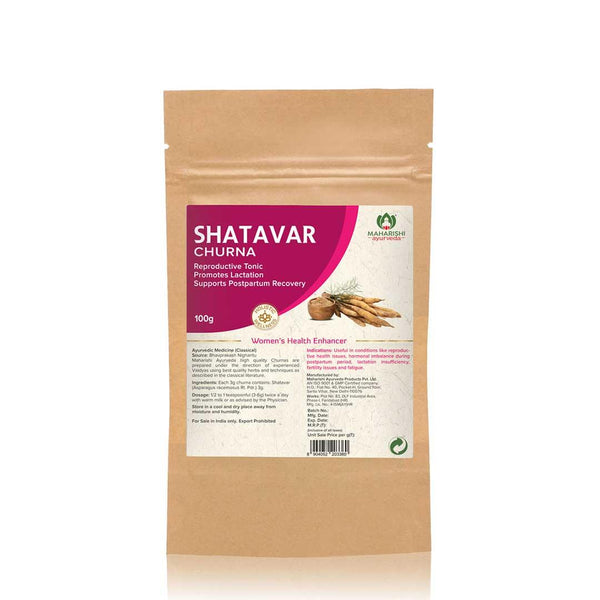
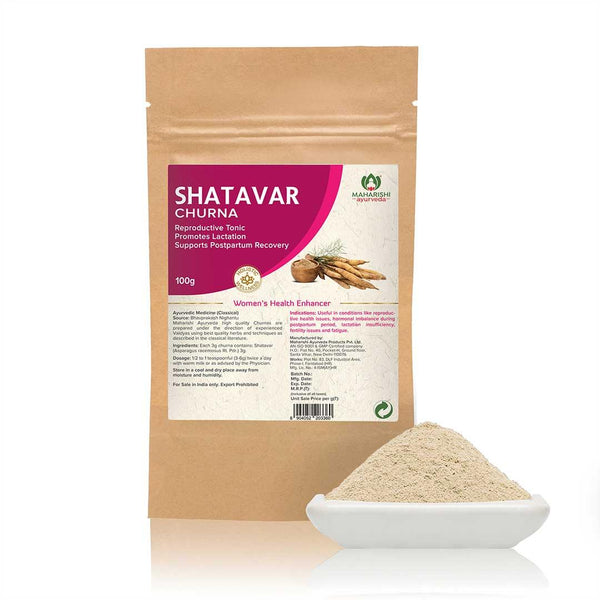
Shatavari Churna: Ayurvedic Support for Women's Wellness
A traditional Ayurvedic powder crafted to support balance, vitality, and overall reproductive wellness
Buy Now
Ashoka
Ashoka is traditionally used in formulations related to menstrual and reproductive wellness.
Lodhra
Lodhra also appears in several traditional women's formulations.
These herbs should not be marketed as generic “hormone balancing” products.
Irregular periods, abnormal bleeding, infertility, pelvic pain or menopausal symptoms can have many different causes and need appropriate assessment.
Which Ayurvedic Herbs Are Traditionally Used for Skin?
Ayurvedic skin care may involve both internal and topical ingredients.
Common plants include:
Neem
Neem has a long history of use in traditional skin and cleansing routines.
Organic Neem: Ayurvedic Support for Skin & Detox Wellness
A traditional Ayurvedic herb crafted to support skin health, detoxification, and everyday wellness balance
Buy Now
Turmeric
Turmeric is extensively used as both a food spice and traditional topical ingredient.
While curcumin has been heavily researched, evidence supporting turmeric supplements for many promoted health uses remains limited. (nccih.nih.gov)
Turmeric Capsules: Ayurvedic Support for Joints & Immunity
A traditional Ayurvedic formulation crafted to support joint comfort, immunity, and everyday wellness
Buy Now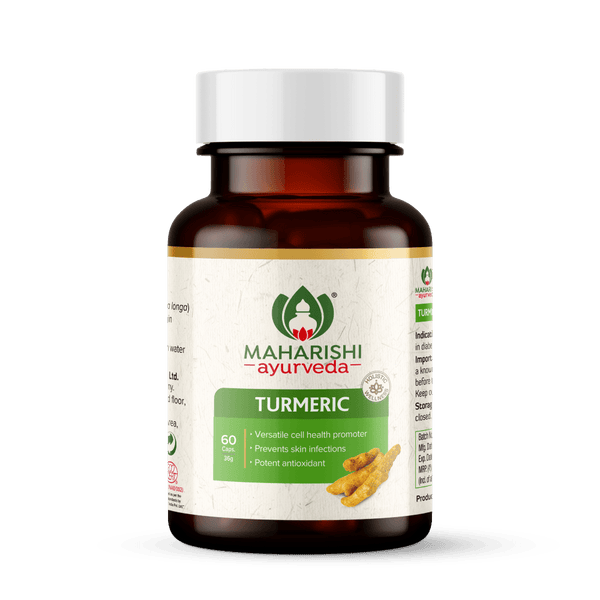
Amla
Amla is traditionally valued as a nourishing Rasayana and is commonly included in formulations aimed at general skin and hair wellness.
Persistent acne, eczema, psoriasis, infection or unexplained skin changes should not simply be treated with herbs without diagnosis.
What Is the Difference Between Ayurvedic Herbs and Ayurvedic Herbal Supplements?
An Ayurvedic herb is the botanical ingredient itself.An Ayurvedic herbal supplement is a prepared product containing one or more herbs.
|
Ayurvedic herb |
Ayurvedic herbal supplement |
|
Individual plant or botanical ingredient |
Finished preparation containing one or more ingredients |
|
May be used as food, spice, powder or tea |
Often sold as tablets, capsules, powders or liquids |
|
Example: Ashwagandha root |
Example: Ashwagandha tablet or multi-herb formulation |
|
Strength may vary by preparation |
Usually provides a specified serving or dose |
|
Traditional use depends on individual need |
Should be assessed for ingredients, dose and quality |
A concentrated extract may behave differently from the same herb used in ordinary food.
That distinction matters when considering both efficacy and safety.
Are Ayurvedic Herbs Safe to Take Every Day?
Not every Ayurvedic herb is suitable for daily use by every person.
Safety depends on:
- which herb
- preparation
- concentration
- dose
- duration
- age
- pregnancy or breastfeeding
- kidney and liver health
- medicines
- other supplements
“Used for thousands of years” is not enough by itself to establish that unlimited modern supplement use is safe.Herbs contain biologically active compounds.Some can interact with medicines or produce unwanted effects. (nccih.nih.gov)
How Should You Choose Ayurvedic Herbs or Supplements?
Use a simple checklist.
|
What to consider |
Why it matters |
|
Your actual health goal |
Avoids taking herbs without a clear reason |
|
Ingredients |
Helps identify exactly what you are consuming |
|
Form |
Food, powder and concentrated extract may differ |
|
Dose |
More is not necessarily more effective |
|
Existing medicines |
Herbal products can interact with medication |
|
Health conditions |
Certain herbs may be unsuitable |
|
Quality testing |
Helps reduce contamination concerns |
|
Manufacturer transparency |
Makes sourcing and standards easier to assess |
|
Professional guidance |
Useful when symptoms or formulations are complex |
Quality is especially important with Ayurvedic supplements. NCCIH notes that some Ayurvedic preparations have contained toxic levels of lead, mercury or arsenic. (nccih.nih.gov)
That is a reason to choose carefully—not a reason to assume every Ayurvedic product is unsafe.
Can You Combine Several Ayurvedic Herbs Together?
Classical Ayurveda frequently uses multi-herb formulations.
But this does not mean randomly combining several individual supplements is automatically safe.
Multiple products can result in:
- duplicate ingredients
- excessive doses
- unexpected interactions
- greater digestive burden
- interactions with medicines
Traditional formulations are generally constructed according to specific principles rather than by simply adding as many “good herbs” as possible.
If you already take several herbs or medicines, professional review is sensible.
What Is the Best Way to Use Ayurvedic Herbs?
The best form depends on the herb and purpose.
Ayurvedic herbs may be used as:
- culinary spices
- food ingredients
- herbal infusions
- powders
- tablets
- oils
- classical formulations
For many people, using appropriate herbs as part of food can be simpler than immediately moving to concentrated supplementation.
For example:
Ginger → food or digestive infusion
Turmeric → cooking
Amla → food, Churna or appropriate preparation
Fennel → food or infusion
More concentrated forms deserve greater attention to dose and safety.
What Is the Key Takeaway About Ayurvedic Medicinal Plants?
Ayurvedic medicinal plants are not a single category of interchangeable “natural remedies.”
Different herbs have different traditional purposes.
Ginger and digestive spices may be selected for digestive support. Bhringraj and Amla feature prominently in hair-care traditions. Tulsi and Guduchi are associated with general resilience, while herbs such as Ashwagandha and Shatavari are used in nourishing and Rasayana approaches.
Food, sleep, activity, digestion and daily routine remain fundamental. Herbal products can complement those foundations when appropriately selected, but they should not replace necessary medical diagnosis or treatment.
Explore our Single Herbs Collection to discover traditional Ayurvedic herbs for everyday wellness, selected for different health needs and routines.
Popular Posts

Varicose Veins Symptoms: Causes, Early Signs and Ayurvedic Management
05 Oct, 2026Varicose veins are enlarged, twisted veins that commonly appear on the legs, feet, and ankles, o...
Read more
Himalayan Pink Salt Benefits: Uses, Nutrition and What to Know
29 Sep, 2026A pinch of salt seems simple, yet Ayurveda has always looked closely at simple things: their tas...
Read more
Plaque vs Tartar: What Is the Difference and How Does Ayurveda Approach Them?
28 Sep, 2026Plaque is a soft, sticky film of bacteria that forms on teeth, while tartar is hardened or calci...
Read moreRecommended Products


100% Natural Brahmi powder, Helps improve concentration, Boosts memory, Rejuvenates the nervous system, Certified by ECOCERT



Made from 100% Rose Petals, Balances Skin pH Level, Best Natural Toner, Hydrates Skin