FILTERS
Is Cow Ghee Easier to Digest? Understanding Lactose, Casein and Dairy Sensitivity

Cow ghee may be easier to tolerate than milk for some people with lactose intolerance because making ghee removes most milk solids, leaving very little lactose. However, it is not suitable for everyone, particularly people with milk allergies. Digestive comfort depends on individual tolerance, portion size, and the foods eaten alongside it.
Ghee has a familiar place in Indian kitchens. A little stirred into dal, spread over warm roti, or added to khichdi brings a comforting aroma and rich flavour. Ayurveda also has a long tradition of using ghee in food preparation. Today, though, many people have practical questions: Does ghee contain lactose? What about casein? And is organic or A2 ghee actually easier to digest?
TL;DR – Is Cow Ghee Easier to Digest?
- Low in Lactose: Properly prepared cow ghee contains very little lactose because most milk solids are removed during clarification.
- May Suit Some People With Lactose Intolerance: Some individuals tolerate small amounts of ghee better than milk, although reactions vary.
- Milk Allergy Requires Caution: Traces of casein and other milk proteins may remain, so ghee should not be assumed safe for people with milk allergies.
- Organic and A2 Are Different: Organic describes production standards, while A2 refers to the type of beta-casein in the source milk. Neither guarantees easier digestion.
- Portion Size Matters: Ghee is concentrated fat, and consuming large amounts may contribute to bloating, fullness, or acid reflux in some people.
- Choose Ghee Mindfully: Check product labels, use comfortable portions, and include cow ghee as part of a varied, balanced diet.
Why Cow Ghee May Be Easier to Tolerate
Milk contains water, fat, lactose, and proteins. To make ghee, butter is heated until much of its water evaporates and most milk solids separate from the fat. Those solids are then removed, leaving a product made almost entirely of fat.
This process explains why ghee usually contains much less lactose than milk. But that does not mean ghee actively improves digestion or prevents discomfort.
Tolerance also depends on the reason dairy causes symptoms. People with digestive disorders or difficulty handling fatty foods may need different advice. Ghee is a culinary ingredient, not a treatment for digestive problems.
Lactose in Cow Ghee
Lactose is the natural sugar in milk. The body uses an enzyme called lactase to break it down. When someone produces too little lactase, lactose may pass through the digestive system without being fully digested. This can lead to gas, bloating, diarrhoea, nausea, or stomach discomfort.
Because clarification removes most milk solids, properly prepared ghee generally contains only very small amounts of lactose. Still, low lactose does not automatically mean lactose-free. The amount remaining can vary with processing, and a product should not be described as completely lactose-free unless that claim is supported.
Some people with lactose intolerance can enjoy modest amounts of ghee without symptoms. Others may prefer to avoid it.
Casein and Milk Allergy
Casein is a milk protein, whereas lactose is a milk sugar.
Most milk proteins are removed when ghee is clarified, but traces may remain. A milk allergy involves an immune reaction to milk proteins, and even small exposures can be serious for some people. Ghee should therefore not be assumed safe for anyone with a diagnosed milk allergy.
Lactose intolerance typically causes digestive symptoms, while milk allergy can cause hives, swelling, vomiting, or breathing difficulties. Anyone with a milk allergy should follow their allergist's advice and avoid testing tolerance at home.
Organic Cow Ghee and A2 Ghee: Key Differences
Organic and A2 are two different descriptions, and neither guarantees easier digestion.
- Organic cow ghee: Refers to production practices that meet applicable organic standards and certification requirements. Organic status does not establish a digestive benefit.
- A2 cow ghee: Refers to ghee made from milk associated with the A2 form of beta-casein, a milk protein. Because finished ghee contains very little protein, the importance of this distinction for digestion remains uncertain.
- Regular cow ghee: Can also contain very little lactose when properly clarified. Its suitability depends on individual needs rather than a particular marketing label.
There is insufficient direct clinical evidence to say that A2-labelled ghee consistently improves digestion compared with other properly clarified ghee. An organic product is not automatically A2, and an A2 product is not necessarily certified organic.
Cow Ghee, Butter and Buffalo Ghee
All three ingredients come from dairy, but their preparation and flavour differ.
- Cow ghee: Clarified butterfat with most moisture and milk solids removed. It often has a golden colour and a distinctive aroma.
- Butter: Contains more water and milk solids than ghee, so it generally contributes more lactose.
- Buffalo ghee: Another clarified dairy fat, often paler in appearance, with flavour and texture influenced by the source milk and preparation method.
Neither cow nor buffalo ghee has been established as universally easier to digest. Choose based on taste, dietary requirements, and reliable product information.
Read more : Ghee vs Butter: Which Is Better for Your Health? →
Can Ghee Cause Bloating or Acidity?
Ghee is concentrated fat. Even when lactose is minimal, eating a large amount of fat may leave some people feeling overly full or uncomfortable. Rich meals can also aggravate acid reflux in susceptible individuals.
If you notice heartburn or bloating after eating ghee, consider the portion size and everything else in the meal. Persistent symptoms deserve medical attention rather than repeated dietary experiments.
People with gallbladder conditions, pancreatic disorders, or problems absorbing fat should ask their healthcare professional about appropriate fat intake.
How to Include Cow Ghee in Everyday Meals
Ghee works best as a flavourful addition to food, not as something you need to consume in large amounts for promised health benefits.
- Add a little to familiar dishes: Try it with dal, rice, vegetable preparations, or warm rotis.
- Use it thoughtfully: A modest amount can add flavour without making every meal especially rich.
- Balance your fats: Ghee contains saturated fat, so also include suitable vegetable oils, nuts, and seeds in your overall eating pattern.
- Notice your response: Pay attention to how meals feel, but do not use home trials to rule out a milk allergy.
Your overall diet, energy needs, and medical circumstances matter more than a fixed spoonful recommended online.
What Ayurveda Says About Cow Ghee
In Ayurveda, ghee is known as Ghrita and has traditionally been valued as a nourishing culinary ingredient. Ayurvedic food practices often consider preparation, quantity, season, and individual comfort alongside the ingredients themselves.
The concept of Agni describes digestion and food transformation within traditional Ayurvedic thinking. Ghee appears in this wider dietary tradition, but that does not establish that it increases digestive enzymes or treats digestive conditions.
Ghee is also used as a fatty medium in certain traditional herbal preparations. For everyday eating, a practical takeaway is to enjoy food mindfully and in quantities that suit you.
Maharishi Ayurveda Organic Cow Ghee for Cooking
Maharishi Ayurveda Organic Cow Ghee is an option for people who enjoy traditional Indian cooking and want to explore ghee as a versatile kitchen ingredient.
You might add a small amount to vegetable khichdi, finish dal with it, or use it when preparing rice and vegetables. These are culinary suggestions, not claims that the product relieves digestive symptoms.
Before purchasing, review the product's ingredient list, sourcing details, and any relevant certification information.
Explore Maharishi Ayurveda Organic Cow Ghee for product details and available options.
Organic Ghee: Pure Goodness for Everyday Wellness
Organic Ghee adds rich taste and traditional goodness to your daily cooking and Ayurvedic lifestyle.
Buy Now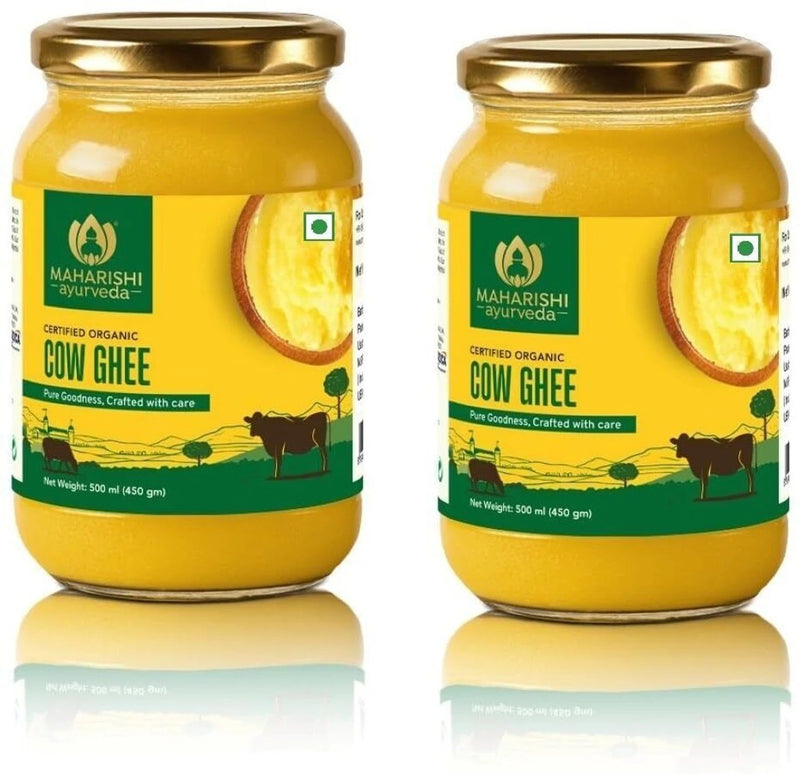
Choosing and Storing Ghee
Read the label for ingredients, manufacturer information, dates, and relevant certifications. If you need a product verified for a particular dietary restriction, contact the manufacturer rather than relying on general descriptions.
Store ghee according to its packaging instructions, keep the lid closed, and always use a clean, dry spoon. Avoid using ghee if it develops an unpleasant rancid smell or shows signs of contamination.
A useful way to think about ghee is as one ingredient within a complete meal. Vegetables, grains, pulses, and other foods contribute their nutrients and textures. Enjoying a varied plate, eating at a comfortable pace, and noticing your appetite can make food choices feel simpler and more sustainable.
Conclusion
Cow ghee usually contains much less lactose than milk because clarification removes most milk solids. That may make it easier to tolerate for some people with lactose intolerance, but it does not make ghee universally easy to digest or safe for people with milk allergies.
Organic and A2 labels describe different characteristics, not guaranteed digestive benefits. If you enjoy the taste, Maharishi Ayurveda Organic Cow Ghee can be explored as a cooking ingredient within a varied, balanced diet. The most useful approach is simple: check the label, use comfortable portions, and respect your individual dietary needs.
Popular Posts

A2 Cow Ghee and Cholesterol: What Does Scientific Research Say?
20 Nov, 2026A2 cow ghee contains substantial saturated fat and dietary cholesterol, much like other traditio...
Read more
A2 Cow Ghee Nutrition: Calories, Fat Composition and Daily Serving Sizes
20 Nov, 2026A2 cow ghee is a concentrated dairy fat that provides approximately 45 calories in a five gram s...
Read more
A2 Cow Ghee vs Buffalo Ghee: Nutrition, Taste and Cooking Differences
20 Nov, 2026A2 cow ghee and buffalo ghee are both clarified butter products, but they can differ in colour, ...
Read more