FILTERS
Skin Barrier vs Skin Hydration: What's the Difference?

Skin hydration refers to the water content in the outer layers of your skin, while the skin barrier protects against moisture loss and external irritants. Dehydrated skin may feel tight and appear dull, whereas a weakened skin barrier can cause dryness, redness, and sensitivity. Gentle cleansing, moisturising, and suitable skincare products support both.
Healthy-looking skin depends on more than simply applying moisturiser. Two important factors influence its appearance and comfort: skin hydration and the skin barrier.
Although these terms are often used interchangeably, they describe different aspects of skin health. Hydration refers to the water present in the skin, while the skin barrier helps retain moisture and protect against external irritants.
Understanding the difference can help you choose appropriate skincare products, identify possible causes of dryness, and maintain a routine suited to your skin type.
TL;DR – Skin Barrier vs Skin Hydration: What's the Difference?
- Hydration vs Skin Barrier: Hydration refers to water content in the skin, while the skin barrier protects against moisture loss and external irritants.
- Recognise the Signs: Dehydrated skin may look dull and feel tight, while a weakened skin barrier can cause redness, flaking, and sensitivity.
- Understand Common Causes: Harsh cleansers, hot water, over-exfoliation, cold weather, and low humidity can affect skin hydration and barrier health.
- Choose Suitable Ingredients: Glycerin and hyaluronic acid help hydrate skin, while ceramides, cholesterol, and fatty acids support barrier function.
- Follow a Gentle Skincare Routine: Use gentle cleansers, moisturise consistently, avoid excessive exfoliation, and apply broad-spectrum sunscreen.
- Kumkumadi Tailam for Skin Nourishment: This traditional Ayurvedic facial oil can complement skincare by supporting softness and a radiant-looking complexion, but it is not a proven barrier-repair treatment.
What Is Skin Hydration?
Skin hydration refers to the water content present in the skin's outer layers, particularly the epidermis.
Adequately hydrated skin generally feels comfortable, flexible, and smooth. When hydration decreases, the skin may appear dull or develop temporarily more noticeable fine lines.
Why Is Skin Hydration Important?
Water supports normal skin function and contributes to a smooth, supple appearance.
The outermost skin layer contains natural moisturising factors that attract and retain water.
When moisture levels decline, the skin may feel tight, rough, or uncomfortable, particularly after cleansing.
What Causes Dehydrated Skin?
Dehydrated skin can result from environmental conditions, harsh cleansing, excessive exfoliation, or increased moisture loss.
Cold weather, low humidity, indoor heating, and prolonged exposure to air conditioning may contribute to dryness.
Importantly, dehydration can affect any skin type, including oily skin.
What Is the Skin Barrier?
The skin barrier is the outer protective structure of the skin, primarily located in the stratum corneum.
It consists of skin cells surrounded by natural lipids, including ceramides, cholesterol, and fatty acids.
These components help maintain moisture balance and limit exposure to environmental irritants.
What Does the Skin Barrier Do?
The skin barrier performs two important functions:
- Reduces excessive water loss from the skin.
- Helps protect against environmental irritants and unwanted substances.
When functioning properly, it supports skin comfort, flexibility, and resilience.
What Happens When the Skin Barrier Is Weakened?
A compromised skin barrier may allow more moisture to escape through a process called transepidermal water loss (TEWL).
This can contribute to dryness, irritation, redness, and increased sensitivity.
However, these symptoms can also occur with eczema or contact dermatitis, so persistent problems require professional evaluation.
What Is the Difference Between Skin Barrier and Skin Hydration?
The main difference is that hydration concerns water content, while the skin barrier concerns protection and moisture retention.
|
Feature |
Skin Hydration |
Skin Barrier |
|
Main function |
Maintains water content |
Protects skin and limits water loss |
|
Key components |
Water and natural moisturising factors |
Skin cells and protective lipids |
|
Common concerns |
Dullness, tightness, temporary fine lines |
Dryness, irritation, stinging, sensitivity |
|
Supportive ingredients |
Glycerin, hyaluronic acid |
Ceramides, fatty acids, cholesterol |
|
Skincare focus |
Hydration and moisture retention |
Gentle care and lipid replenishment |
How Are Skin Hydration and the Skin Barrier Connected?
A healthy skin barrier helps prevent excessive moisture loss.
When barrier function is disrupted, water escapes more easily, potentially contributing to dehydration.
However, skin can also become dehydrated without significant barrier damage. Both concerns may occur together.
How Can You Tell If Your Skin Is Dehydrated or Your Skin Barrier Is Damaged?
Recognising common symptoms can help you adjust your skincare routine, although appearance alone cannot confirm a diagnosis.
What Are the Signs of Dehydrated Skin?
Dehydrated skin may show:
- Temporary tightness
- Dull appearance
- More noticeable fine lines
- Roughness or reduced suppleness
- Improved comfort after moisturising
These signs are not exclusive to dehydration.
What Are the Signs of a Weakened Skin Barrier?
Possible indicators include persistent tightness, redness, flaking, itching, or stinging when applying products.
Skin may become unusually reactive to ingredients that were previously well tolerated.
Can Both Conditions Occur Together?
Yes. Skin can experience reduced hydration and impaired barrier function simultaneously.
A practical starting point is to simplify your routine, reduce irritating products, and apply a suitable moisturiser consistently.
Avoid relying on informal skin-pinching tests to diagnose either condition.
What Everyday Habits Can Affect Skin Hydration and Barrier Health?
Common skincare habits and environmental conditions may contribute to moisture loss or irritation.
Can Harsh Cleansers Damage the Skin Barrier?
Strong cleansing products may remove excessive surface oils, particularly when used frequently.
Choose a gentle cleanser that removes dirt and sunscreen without leaving the skin uncomfortably tight.
Does Hot Water Cause Skin Dryness?
Very hot water can aggravate dryness and irritation.
Use lukewarm water and avoid prolonged washing.
Can Over-Exfoliation Weaken the Skin Barrier?
Frequent application of exfoliating acids, abrasive scrubs, or irritating treatments may disrupt skin comfort.
Reduce exfoliation if you notice redness, stinging, or persistent dryness.
How Does Weather Affect Skin Hydration?
Cold weather, low humidity, and air conditioning can increase moisture loss.
Adjust moisturiser texture according to environmental conditions and individual skin needs.
How Can You Improve Skin Hydration and Support the Skin Barrier?
A gentle routine combining hydration and moisture retention can help maintain skin comfort.
Which Ingredients Help Hydrate Skin?
Humectants attract and retain water.
Common examples include:
- Glycerin: Helps attract moisture to the outer skin layers.
- Hyaluronic acid: Supports hydration through its water-binding properties.
- Panthenol: Commonly included in moisturising and soothing formulations.
These ingredients are frequently found in serums, lotions, and creams.
Which Ingredients Support Skin-Barrier Function?
Ceramides, cholesterol, and fatty acids are important components of the skin's protective lipid structure.
Moisturisers containing these ingredients may help replenish surface lipids and support barrier function.
What Is the Difference Between Humectants, Emollients, and Occlusives?
Humectants attract water, emollients soften the skin, and occlusives reduce moisture evaporation.
Examples include glycerin as a humectant, squalane as an emollient, and petrolatum as an occlusive.
Many moisturisers combine these functions.
Can Moisturisers Help With Barrier Recovery?
Yes. Consistent moisturising can support recovery from mild dryness and irritation.
Apply moisturiser shortly after cleansing, preferably while the skin remains slightly damp.
Severe inflammation or persistent symptoms may require dermatological treatment.
What Is a Simple Skincare Routine for Hydration and Barrier Support?
A straightforward skincare routine is often preferable when skin feels dry or sensitive.
Morning Skincare Routine
- Cleanse gently using lukewarm water.
- Apply a hydrating serum if desired.
- Use a suitable moisturiser.
- Finish with broad-spectrum SPF 30 or higher sunscreen.
People with very dry skin may find that a morning water rinse is sufficient.
Nighttime Skincare Routine
- Remove makeup and sunscreen with a gentle cleanser.
- Apply moisturiser while the skin is slightly damp.
- Use a suitable facial oil if additional softness is desired.
- Avoid unnecessary exfoliation when skin feels irritated.
How Long Does Skin-Barrier Recovery Take?
Mild dryness may improve within several days of consistent gentle care.
More significant barrier disruption can require several weeks, depending on the cause and individual skin condition.
There is no fixed recovery timeline. Seek medical advice if symptoms persist or worsen.
Can Facial Oils Support Skin Hydration?
Facial oils are commonly included in skincare routines to soften the skin and reduce moisture loss.
They may also provide a pleasant sensory experience through gentle facial massage.
How Do Facial Oils Work?
Many facial oils act primarily as emollients, helping create a smoother skin surface.
Some oils also help reduce water evaporation.
However, facial oils do not necessarily provide the same hydration benefits as moisturisers containing water-binding ingredients.
Should You Apply Facial Oil Before or After Moisturiser?
A practical approach is to apply water-based products first, followed by moisturiser and then facial oil.
This helps provide hydration before adding an oil-based layer.
The ideal order may vary with product formulation and manufacturer directions.
What Is Kumkumadi Tailam in Ayurvedic Skincare?
Kumkumadi Tailam is a traditional Ayurvedic facial oil associated with skin nourishment and a radiant-looking complexion.
Classical formulations typically combine saffron with botanical ingredients infused into an oil base.
In Ayurveda, Kumkumadi Tailam is used as part of facial massage and beauty-care routines.
What Are the Traditional Ingredients in Kumkumadi Tailam?
Common ingredients include:
Saffron (Kumkuma): Traditionally associated with complexion care and skin radiance.
Sandalwood: Valued in Ayurvedic beauty preparations for its fragrance and traditional skincare uses.
Licorice (Yashtimadhu): Included in various traditional formulations for skin appearance.
Sesame oil: Commonly used as a nourishing carrier oil that helps soften skin.
Exact ingredients depend on the formulation.
Can Kumkumadi Tailam Repair the Skin Barrier?
Kumkumadi Tailam may provide emollient benefits and help skin feel softer.
However, reliable clinical evidence specifically demonstrating that Kumkumadi Tailam repairs a damaged skin barrier remains limited.
It should be considered an optional cosmetic skincare product rather than a medical treatment.
Why Choose Maharishi Ayurveda Kumkumadi Tailam?
Maharishi Ayurveda Kumkumadi Tailam is a traditional Ayurvedic facial oil available from Maharishi Ayurveda India.
The product combines botanical ingredients with an oil base and is positioned for facial nourishment and a radiant-looking complexion.
According to the manufacturer, the 10 ml formulation contains sesame oil, pure Kashmiri saffron, licorice root extract, and red sandalwood.
What Are Its Cosmetic Benefits?
Maharishi Ayurveda positions its Kumkumadi Tailam for:
- Supporting a radiant-looking complexion
- Helping maintain skin softness
- Providing an additional nourishing facial-oil step
- Complementing gentle facial massage
- Enhancing the appearance of smooth, moisturised skin
These are cosmetic uses and manufacturer-described benefits, not evidence of treatment for skin disorders.
How Should You Apply Maharishi Ayurveda Kumkumadi Tailam?
The manufacturer recommends taking three to four drops onto the palm and gently massaging the oil over the face until absorbed.
For a hydration-focused routine:
- Cleanse your face gently.
- Apply a suitable moisturiser.
- Use the recommended amount of Kumkumadi Tailam as an optional facial-oil step.
- Massage gently without excessive friction.
Patch-test before regular use, particularly if you have sensitive skin.
Can Kumkumadi Tailam Be Used on Oily Skin?
Some people with oily skin tolerate facial oils, while others experience breakouts or irritation.
Begin cautiously and discontinue use if your skin reacts adversely.
Avoid applying new botanical oils to actively inflamed, cracked, or infected skin without professional guidance.
Discover traditional Ayurvedic facial nourishment with Maharishi Ayurveda Kumkumadi Tailam.
What Skincare Mistakes Should You Avoid?
Maintaining skin hydration and barrier comfort also involves avoiding unnecessary irritation.
Kumkumadi Tailam: Ayurvedic Oil for Radiant Skin
A traditional Ayurvedic facial oil crafted to support nourished, glowing, and healthy-looking skin.
Buy Now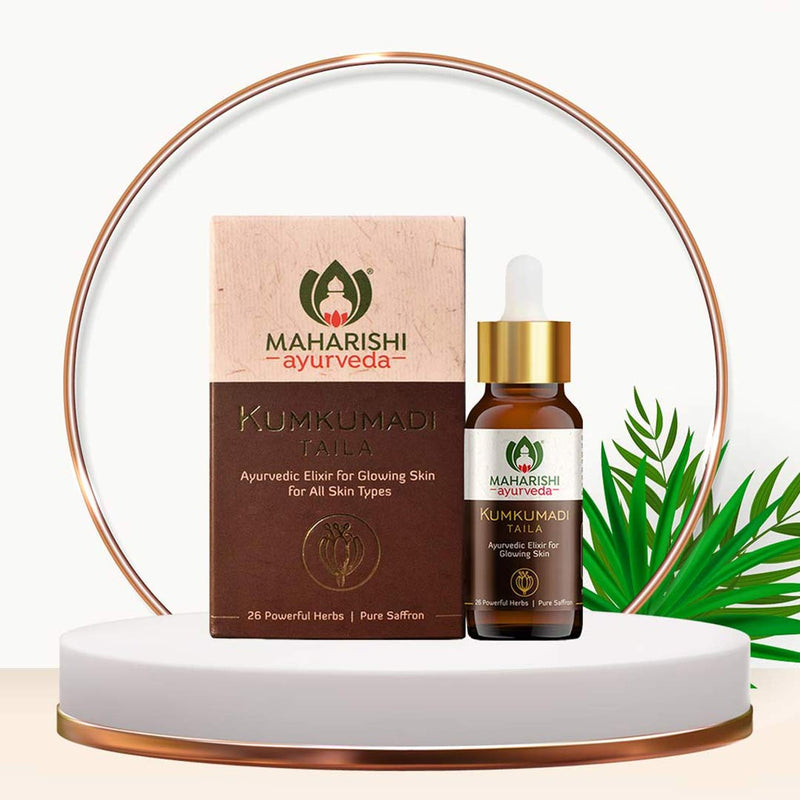
Avoid Excessive Cleansing
Repeated washing can remove protective surface oils.
Use gentle cleansing methods suited to your skin type.
Do Not Combine Too Many Active Ingredients
Using multiple exfoliating acids or strong treatments simultaneously may increase irritation.
Introduce new products gradually.
Avoid Harsh DIY Remedies
Lemon juice, baking soda, undiluted essential oils, and abrasive homemade scrubs may cause irritation.
Natural ingredients are not automatically safe for sensitive skin.
Do Not Skip Sunscreen
Daily sun protection remains important for preventing UV-related skin damage.
When Should You See a Dermatologist?
Seek medical advice if you experience persistent redness, painful cracking, severe itching, swelling, bleeding, or signs of infection.
A dermatologist can assess whether symptoms are associated with dry skin, eczema, allergic contact dermatitis, or another condition.
Bring a list of recently used products to help identify possible irritants.
Conclusion
Understanding skin barrier vs skin hydration helps you make informed skincare choices.
Hydration concerns the water present in your skin, while the skin barrier helps retain moisture and protect against irritants.
Gentle cleansing, consistent moisturising, suitable skincare ingredients, and sun protection provide a practical foundation for maintaining healthy-looking skin.
Traditional Ayurvedic facial oils may complement this routine by providing additional softness and a relaxing massage experience.
For those interested in Ayurvedic beauty care, Maharishi Ayurveda Kumkumadi Tailam offers an optional facial-oil step inspired by traditional skincare practices.
The key is choosing products that suit your skin rather than relying on complicated routines or excessive treatments.
Read more : Is Kumkumadi Tailam Good for Oily and Acne-Prone Skin? →
Popular Posts

Can You Use Kumkumadi Oil With Retinol? Skincare Layering and Precautions
18 Nov, 2026Yes, Kumkumadi oil and retinol can be included in the same skincare routine, but using them on a...
Read more
Why Does Your Face Feel Tight After Washing? Understanding the Skin Barrier
18 Nov, 2026Your face may feel tight after washing because cleansing removes some of the skin's natural oils...
Read more
How Can Families Maintain Healthy Eating Habits During Seasonal Transitions?
18 Nov, 2026Families can maintain healthy eating habits during seasonal transitions by choosing balanced sea...
Read moreRecommended Products