FILTERS
Why Does Your Face Feel Tight After Washing? Understanding the Skin Barrier

Your face may feel tight after washing because cleansing removes some of the skin's natural oils and moisture. Harsh cleansers, hot water, and overwashing can weaken the skin barrier, leading to dryness and irritation. Gentle cleansing, moisturising damp skin, and using suitable facial oils can help maintain softness and skin comfort.
Washing your face should leave your skin feeling clean and refreshed. However, sometimes the opposite happens. Your cheeks feel stretched, your forehead becomes uncomfortable, and your skin seems unusually dry immediately after cleansing.
This tight sensation is often associated with temporary moisture loss or irritation of the skin's protective barrier. Although occasional tightness may be mild, repeated discomfort can suggest that your cleansing routine needs adjustment.
Understanding how the skin barrier works can help you choose suitable products, prevent unnecessary dryness, and maintain a comfortable daily skincare routine.
TL;DR – Why Does Your Face Feel Tight After Washing?
- Skin Barrier and Moisture Loss: Cleansing can remove natural oils and protective lipids, causing dryness and tightness.
- Harsh Cleansing Habits: Hot water, strong cleansers, and overwashing may contribute to skin irritation and dryness.
- Recognise Skin Barrier Damage: Tightness, flaking, redness, itching, and increased sensitivity may indicate a weakened skin barrier.
- Moisturise After Cleansing: Apply a suitable moisturiser while your skin is slightly damp to help retain hydration.
- Kumkumadi Tailam for Skin Nourishment: This traditional Ayurvedic facial oil can be an optional addition to support skin softness and a radiant appearance.
- Follow a Gentle Skincare Routine: Use lukewarm water, avoid excessive exfoliation, apply sunscreen, and consult a dermatologist for persistent irritation.
Why Does Your Face Feel Tight After Washing?
Your face may feel tight after washing because cleansing removes dirt, sweat, and excess oil along with some of the skin's natural protective lipids.
When these lipids are reduced, the skin may lose moisture more easily, producing a dry or stretched sensation.
What Is the Skin Barrier?
The skin barrier is the outer protective layer of your skin, primarily formed by the stratum corneum.
It consists of skin cells surrounded by natural lipids, including ceramides, cholesterol, and fatty acids.
These components help retain moisture while protecting against environmental irritants.
A healthy skin barrier supports smoothness, flexibility, and comfortable hydration.
How Does Face Washing Affect the Skin Barrier?
Cleansers contain ingredients called surfactants that help remove oil, impurities, and sunscreen.
Although cleansing is essential, some formulations remove more surface oils than necessary.
Repeated exposure to harsh products may contribute to dryness, especially when combined with hot water or aggressive rubbing.
What Are the Signs of a Weakened Skin Barrier?
Common signs include:
- Tightness immediately after cleansing
- Dry, rough, or flaky patches
- Increased sensitivity to products
- Redness or visible irritation
- Stinging when applying skincare
- Persistent itching or discomfort
These symptoms can also occur with eczema, contact dermatitis, or other skin conditions. Persistent symptoms should be assessed by a dermatologist.
Which Cleansing Habits Can Cause Skin Tightness?
Several everyday cleansing habits may contribute to dryness without being immediately noticeable.
Can Harsh Face Washes Remove Natural Oils?
Yes. Strong cleansing formulations may remove excessive surface oils, particularly from dry or sensitive skin.
Foaming cleansers are not automatically harmful, but their suitability depends on the overall formulation.
Choose products that cleanse effectively without leaving your skin uncomfortably tight.
Does Hot Water Cause Dry Skin?
Hot water can increase moisture loss and aggravate skin dryness.
Using lukewarm water is generally more comfortable and reduces unnecessary irritation.
Avoid prolonged washing or repeatedly exposing your face to very hot water.
Can Washing Your Face Too Frequently Damage the Skin Barrier?
Overwashing may contribute to dryness, particularly in people with naturally dry or sensitive skin.
For many individuals, cleansing once or twice daily is sufficient.
Additional cleansing may be appropriate after heavy sweating, but aggressive washing should be avoided.
What Should You Do Immediately After Washing Your Face?
The most important post-cleansing habit is applying a suitable moisturiser while your skin is still slightly damp.
This helps retain moisture and reduce the uncomfortable tight sensation.
Why Should You Moisturise Damp Skin?
Moisturisers contain ingredients that attract water, soften the skin, or reduce moisture evaporation.
Applying moisturiser shortly after cleansing helps retain hydration.
Ingredients such as glycerin, hyaluronic acid, ceramides, and suitable emollients may support skin comfort.
Should You Pat Your Face Dry or Rub It?
Gently pat your face with a clean, soft towel rather than rubbing vigorously.
Excessive friction may irritate sensitive skin and worsen existing dryness.
Leave your skin slightly damp before applying moisturiser.
Can Facial Oils Help With Post-Wash Dryness?
Facial oils may help soften the skin and reduce moisture loss.
Many people enjoy their smooth texture, natural sheen, and the relaxing experience of gentle facial massage.
However, oils primarily provide emollient or moisture-sealing effects and do not fully replace the water-attracting ingredients found in moisturisers.
For additional nourishment, a suitable facial oil can be applied after moisturiser.
What Is Kumkumadi Tailam in Ayurvedic Skincare?
Kumkumadi Tailam is a traditional Ayurvedic facial oil associated with skin nourishment, softness, and radiance.
It is commonly prepared using saffron and other botanicals infused into an oil base.
In Ayurveda, facial oil application forms part of traditional beauty and self-care routines.
Which Ingredients Are Traditionally Used in Kumkumadi Tailam?
Classical Kumkumadi formulations may include:
Saffron (Kumkuma): Traditionally valued in Ayurvedic beauty preparations for complexion care.
Sandalwood (Chandana): Commonly associated with soothing skincare rituals and its distinctive fragrance.
Manjishta: Traditionally included in formulations relating to skin appearance and complexion.
Licorice (Yashtimadhu): Used in various Ayurvedic botanical skincare preparations.
Sesame oil: Often used as an oil base that helps soften and condition the skin.
Exact ingredients vary between manufacturers, so always check the individual product label.
How Is Kumkumadi Tailam Traditionally Used?
Kumkumadi Tailam is commonly applied through gentle facial massage.
The oil's texture allows it to spread across the skin, creating a smooth massage experience.
It is traditionally associated with maintaining skin softness and a radiant appearance.
However, strong clinical evidence demonstrating that Kumkumadi Tailam repairs damaged skin barriers or treats pigmentation disorders remains limited.
How Can Maharishi Ayurveda Kumkumadi Tailam Be Added to Your Routine?
Maharishi Ayurveda Kumkumadi Tailam is an Ayurvedic facial oil available from Maharishi Ayurveda India.
The brand positions the product for skin nourishment, softness, and a radiant-looking complexion.
It is available in a 10 ml pack and is designed for topical facial application.
What Makes Maharishi Ayurveda Kumkumadi Tailam Suitable for a Beauty Routine?
The formulation combines traditional Ayurvedic facial-oil practices with the convenience of a ready-to-use product.
Its oil-based texture makes it suitable for individuals who enjoy facial massage and an additional moisturising step.
The manufacturer also describes the product as non-sticky and intended for regular cosmetic use.
Individual results and tolerance vary according to skin type.
How Should You Apply Kumkumadi Tailam After Cleansing?
According to Maharishi Ayurveda India's product directions, apply three to four drops to your palm and gently massage onto the face.
For a post-wash routine:
- Cleanse your face with a suitable gentle cleanser.
- Pat dry, leaving the skin slightly damp.
- Apply your usual moisturiser.
- If your skin tolerates facial oils, gently massage the recommended amount of Kumkumadi Tailam over the face.
- Allow the oil to settle without excessive rubbing.
Patch-test before using the product regularly. People with oily or acne-prone skin may prefer using less oil or limiting application to drier areas.
Can Kumkumadi Tailam Be Used at Night?
Yes, facial oil may be included in a nighttime skincare routine when the formulation suits your skin.
Some people prefer night application because it allows them to enjoy facial massage without immediately applying makeup or sunscreen.
Facial oil does not need to remain on the skin overnight to provide a pleasant moisturising experience.
If you notice irritation, redness, or breakouts, discontinue use.
Looking to add a traditional Ayurvedic facial oil to your routine?
Explore Maharishi Ayurveda Kumkumadi Tailam – Radiant Skin & Glow and discover its ingredients, product information, and application directions.
How Can You Choose a Gentle Face Cleanser?
Choosing a suitable cleanser is essential when your face regularly feels tight after washing.
Which Ingredients Should You Look For?
Gentle cleansers may contain mild surfactants and moisturising ingredients such as glycerin.
Cream-based or low-foaming formulations are often comfortable for dry skin.
Look for products that avoid unnecessary fragrance if your skin is sensitive.
Is a Sulfate-Free Cleanser Always Better?
Not necessarily.
Some sulfate-containing cleansers are formulated to be gentle, while sulfate-free products can still contain ingredients that cause irritation.
The complete formulation and your skin's response are more important than a single ingredient claim.
Does Cleanser pH Matter?
Skin is naturally mildly acidic.
Cleansers formulated near the skin's normal pH may be less disruptive than highly alkaline products.
However, cleanser suitability depends on several factors, including surfactants, concentration, and frequency of use.
How Often Should You Wash Your Face Based on Skin Type?
Cleansing frequency should reflect your skin type, daily activities, and product tolerance.
|
Skin type |
Suggested routine |
|
Dry skin |
Gentle evening cleanse; morning water rinse if sufficient |
|
Oily skin |
Mild cleansing up to twice daily |
|
Combination skin |
Gentle cleansing with attention to drier areas |
|
Sensitive skin |
Minimal, fragrance-free cleansing |
|
Normal skin |
Once or twice daily as needed |
These are general guidelines rather than strict rules.
Should Dry Skin Be Cleansed Less Frequently?
Some people with dry skin find that washing with a cleanser only at night helps reduce tightness.
A gentle morning water rinse may be sufficient when the face is not particularly oily.
Can Oily Skin Still Feel Tight After Washing?
Yes. Oily skin can become dehydrated or irritated when exposed to harsh cleansing products.
Avoid removing all surface oils in an attempt to control shine.
How Should Sensitive Skin Be Cleansed?
Use lukewarm water and a fragrance-free cleanser.
Introduce new products individually and avoid combining multiple strong active ingredients when your skin is already irritated.
What Home Skincare Habits Help Reduce Dryness?
Simple changes can often improve skin comfort more effectively than complicated routines.
Use Moisturiser Consistently
Apply a suitable moisturiser after cleansing and whenever your skin feels dry.
Richer creams may be useful during cold or dry weather, while lightweight lotions may suit humid conditions.
Avoid Over-Exfoliation
Frequent scrubbing or combining exfoliating acids may aggravate tightness and sensitivity.
If your skin feels irritated, temporarily reduce exfoliation and other potentially irritating products.
Avoid Harsh DIY Remedies
Applying lemon juice, baking soda, undiluted essential oils, or abrasive mixtures can irritate the skin.
Natural ingredients are not automatically suitable for sensitive facial skin.
Protect Your Skin From Sun Exposure
Use a broad-spectrum SPF 30 or higher sunscreen during the day.
Sun protection helps reduce UV-related skin damage and supports a consistent skincare routine.
When Should You See a Dermatologist for Skin Tightness?
Occasional tightness may improve with gentle cleansing and moisturising.
However, persistent symptoms can indicate an underlying skin condition.
Which Symptoms Need Professional Attention?
Consult a dermatologist if you experience persistent redness, painful cracking, swelling, oozing, intense itching, or worsening sensitivity.
Can Skin Tightness Be Related to Eczema?
Yes. Eczema and contact dermatitis can cause dryness, irritation, and discomfort.
A dermatologist can identify the underlying condition and recommend appropriate treatment.
What If Your Skin Does Not Improve?
Review recently introduced products and avoid experimenting with multiple new treatments.
Professional guidance may be needed when symptoms continue despite gentle skincare.
Kumkumadi Tailam: Ayurvedic Oil for Radiant Skin
A traditional Ayurvedic facial oil crafted to support nourished, glowing, and healthy-looking skin.
Buy Now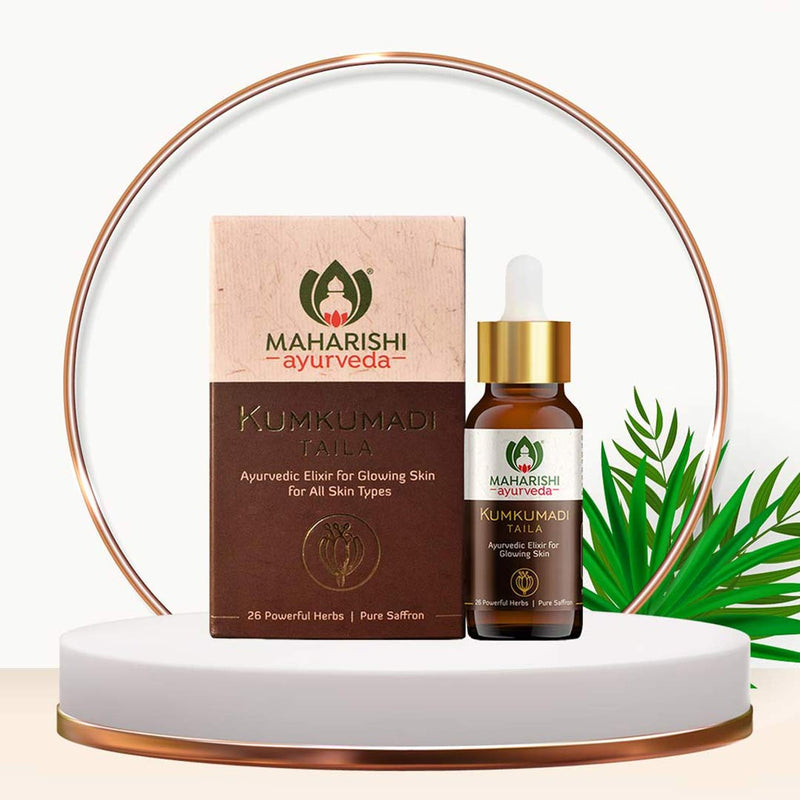
Conclusion
If your face feels tight after washing, your cleansing products or habits may be removing more moisture and protective oils than your skin can comfortably tolerate.
A gentle cleanser, lukewarm water, regular moisturising, and reduced exfoliation can help maintain a comfortable skin barrier.
Traditional Ayurvedic facial oils may offer an additional step for individuals who enjoy nourishing skincare and gentle massage.
Maharishi Ayurveda Kumkumadi Tailam can be explored as an optional addition to a balanced beauty routine, particularly when skin softness and a radiant appearance are desired.
Healthy skincare is not about washing more frequently or using more products. It is about choosing suitable formulations and maintaining consistent habits that respect your skin's natural protective barrier.
Read more : What Is Kumkumadi Oil? Benefits, Ingredients, Uses & How to Apply →
Popular Posts

Can You Use Kumkumadi Oil With Retinol? Skincare Layering and Precautions
18 Nov, 2026Yes, Kumkumadi oil and retinol can be included in the same skincare routine, but using them on a...
Read more
Skin Barrier vs Skin Hydration: What's the Difference?
18 Nov, 2026Skin hydration refers to the water content in the outer layers of your skin, while the skin barr...
Read more
How Can Families Maintain Healthy Eating Habits During Seasonal Transitions?
18 Nov, 2026Families can maintain healthy eating habits during seasonal transitions by choosing balanced sea...
Read moreRecommended Products