FILTERS
Skincare Routine for Indian Skin: What to Follow and What to Skip

A skincare routine for Indian skin should include gentle cleansing, moisturising, and daily sun protection. The best routine depends on whether your skin is oily, dry, combination, or sensitive. Simple morning and nighttime habits, suitable products, and optional Ayurvedic skincare practices can help maintain skin comfort, hydration, and a healthy skin barrier.
Healthy skin does not require an elaborate collection of beauty products. A consistent skincare routine that addresses your skin type and daily environmental exposure is often more effective than repeatedly introducing new products.
In India, heat, humidity, pollution, and seasonal changes can influence skin comfort and appearance. Understanding what your skin needs helps you build a practical daily routine without unnecessary steps.
TL;DR – Skincare Routine for Indian Skin: What Should You Know?
- Follow the Basic 3 Steps: Gentle cleansing, moisturising, and daily sunscreen form the foundation of healthy skin care.
- Choose Products by Skin Type: Oily skin needs lightweight gels, while dry and sensitive skin benefit from gentle, hydrating formulations.
- Maintain Morning and Night Routines: Cleanse, moisturise, and apply sunscreen in the morning. Remove daily buildup and moisturise at night.
- Avoid Overdoing Skincare: Excessive exfoliation, harsh scrubs, and too many active ingredients can damage the skin barrier.
- Consider Indian Climate: Heat, humidity, pollution, and seasonal changes can affect skin needs. Adjust product textures accordingly.
- Ayurvedic Products May Support Skin Care: Kumkumadi Oil, Neem Soap, Sandalwood Soap, and Vata Massage Oil can complement personal care when suitable and well tolerated.
What Are the Basic Steps of a Skincare Routine?
A basic skincare routine includes cleansing, moisturising, and sun protection. Additional products may address specific concerns, but these three steps provide a useful foundation.
What Should You Do First in a Skincare Routine?
Begin by gently cleansing your face to remove accumulated dirt, sweat, excess oil, and impurities. This prepares the skin for moisturiser and other suitable products.
Avoid harsh scrubbing or repeatedly washing your face, as these practices may cause dryness and irritation.
Why Is Cleansing Important?
Cleansing removes substances accumulated throughout the day.
A face wash is commonly marketed for removing dirt, sweat, and excess oil, while a cleanser may be formulated with a gentler, more moisturising texture. However, these terms overlap, and either product can be suitable depending on its ingredients.
Oily skin may benefit from a mild foaming cleanser, while dry or sensitive skin often responds better to a gentle cream-based cleanser.
When Should You Apply a Moisturizer?
Apply moisturiser shortly after cleansing, preferably while the skin remains slightly damp.
Moisturisers help retain water and support the protective skin barrier. Some botanical formulations combine moisturising ingredients with traditional herbs, but their suitability depends on the complete formulation and individual tolerance.
Why Is Sunscreen an Important Part of a Skincare Routine?
Sunscreen helps protect against ultraviolet radiation, sunburn, premature skin ageing, and pigmentation concerns.
Choose broad-spectrum SPF 30 or higher and apply it to exposed skin during the day.
How Many Products Do You Actually Need?
For most people, three essentials are sufficient: a gentle cleanser, a suitable moisturiser, and sunscreen.
Additional products should address specific needs rather than simply increasing the number of skincare steps.
What Is a Morning Skincare Routine for Indian Skin?
An effective morning skincare routine prepares your skin for daily environmental exposure while maintaining hydration.
How Should You Cleanse Your Skin in the Morning?
Wash with a gentle cleanser and lukewarm water. People with very dry skin may find that rinsing with water in the morning is sufficient.
Avoid aggressive scrubbing, particularly when skin feels tight or sensitive.
Should You Use a Serum in the Morning?
Serums are optional. Ingredients such as niacinamide or vitamin C may address concerns like uneven tone, but they are not essential for everyone.
Introduce one new product at a time to assess tolerance.
What Type of Moisturizer Should You Use?
Lightweight gels or lotions often suit oily skin, while richer creams may benefit dry skin.
Choose products based on texture, ingredients, and how your skin responds rather than climate alone.
Why Should You Apply Sunscreen Every Morning?
Daily sunscreen helps reduce UV-related skin damage. It is particularly important for individuals concerned about tanning, dark spots, or uneven pigmentation.
How Often Should You Reapply Sunscreen?
Reapply approximately every two hours while outdoors and after swimming or heavy sweating, following the product's instructions.
What Is a Nighttime Skincare Routine for Indian Skin?
Nighttime skincare focuses on removing daily buildup and supporting skin hydration.
How Should You Cleanse Your Skin at Night?
Use a mild cleanser to remove sunscreen, makeup, sweat, and pollutants.
If wearing heavy makeup or water-resistant sunscreen, an initial cleansing balm or appropriate makeup remover may help before gentle washing.
Should You Use Treatment Products at Night?
Treatment products such as retinoids or exfoliating acids may help specific concerns, but unnecessary combinations can irritate the skin.
Seek dermatological guidance when treating persistent acne or pigmentation.
How Can Moisturizer Support the Skin Barrier Overnight?
Moisturiser helps reduce water loss and supports skin comfort overnight.
Some people enjoy applying facial oil with gentle massage. An appropriate oil may help soften the skin, although it does not replace every function of a well-formulated moisturiser.
What Is a Good Nighttime Skincare Routine for Dry Skin?
Cleanse gently, apply a hydrating moisturiser, and consider a suitable facial oil if additional softness is desired.
A brief massage followed by removing excess oil after approximately 30 minutes is one optional approach. Some leave a compatible facial oil overnight, but this is not necessary and may not suit acne-prone skin.
How Can You Keep a Nighttime Routine Simple?
Use fewer products consistently rather than applying numerous treatments together.
A gentle cleanser and moisturiser may be all your skin requires.
How Should Your Skincare Routine Change Based on Skin Type?
Different skin types require different textures, cleansing methods, and hydration levels.
|
Skin type |
Cleansing |
Moisturising |
|
Oily |
Gentle foaming cleanser |
Lightweight, non-comedogenic gel |
|
Dry |
Mild cream cleanser |
Richer moisturising cream |
|
Combination |
Gentle balanced cleanser |
Lightweight lotion, extra cream where needed |
|
Sensitive |
Fragrance-free gentle cleanser |
Simple, fragrance-free moisturiser |
All skin types benefit from suitable sunscreen.
What Is the Best Skincare Routine for Oily Skin?
Oily skin produces excess sebum, which may contribute to shine and clogged pores.
How Should You Cleanse Oily Skin?
Use a mild cleanser to remove excess oil without leaving skin uncomfortably dry. Strong soaps and frequent washing may cause irritation.
Does Oily Skin Still Need Moisturizer?
Yes. Oily skin can still become dehydrated. Choose lightweight, oil-free, non-comedogenic moisturisers.
What Type of Sunscreen Works Well for Oily Skin?
Lightweight gel or fluid sunscreens labelled non-comedogenic are often comfortable for oily skin.
Which Skincare Habits Can Make Oily Skin Worse?
Harsh scrubbing, alcohol-heavy products, and repeatedly washing the face may aggravate irritation. Gentle cleansing is preferable.
What Is the Best Skincare Routine for Dry Skin?
Dry skin requires gentle cleansing and consistent moisturising to reduce tightness, flaking, and discomfort.
How Should You Cleanse Dry Skin?
Choose a mild, non-stripping cleanser and avoid hot water. Cleansing excessively can remove protective surface oils.
In Ayurvedic terminology, dryness is traditionally associated with Vata qualities.
Read more : Winter Skin Problems and Solutions →
What Ingredients Can Help Support Dry Skin?
Glycerin, ceramides, hyaluronic acid, and suitable plant-derived oils may support skin hydration.
Herbal oils can provide a pleasant massage experience, but fragrance and botanical ingredients may irritate sensitive individuals.
Why Is Moisturizing Important for Dry Skin?
Moisturising helps reduce water loss and maintain skin softness. Richer creams generally provide more sustained protection than very light lotions.
What Is a Good Nighttime Skincare Routine for Dry Skin?
After cleansing, apply moisturiser and, if tolerated, a small amount of suitable facial oil.
Gentle oil massage may offer a relaxing sensory experience, but avoid vigorous rubbing.
What Is the Best Skincare Routine for Combination Skin?
Combination skin typically has an oilier forehead, nose, and chin, alongside drier cheeks.
How Do You Care for Both Dry and Oily Areas?
Use a mild cleanser and adjust moisturiser quantity according to each area.
Should You Use Different Products on Different Areas?
Yes, when necessary. A lightweight lotion may suit the T-zone, while drier areas may benefit from a richer cream.
What Type of Moisturizer Works for Combination Skin?
A lightweight, non-comedogenic moisturiser is a practical starting point.
How Can You Avoid Over-Treating Combination Skin?
Avoid applying strong exfoliating products across the entire face when only specific areas require attention.
What Is a Good Skincare Routine for Sensitive Skin?
Sensitive skin may react to fragrances, harsh cleansing agents, and certain active ingredients.
How Should You Cleanse Sensitive Skin?
Use lukewarm water and a mild, fragrance-free cleanser. Washing morning and night is usually sufficient, with additional cleansing after heavy sweating when needed.
Which Ingredients May Irritate Sensitive Skin?
Fragrance, essential oils, alcohol-heavy products, and strong exfoliating acids may trigger irritation.
Why Is Patch Testing Important?
Patch testing a new cosmetic product on a small area can help identify possible irritation before broader use.
How Can You Keep a Sensitive-Skin Routine Simple?
Choose fragrance-free moisturiser and sunscreen. Rose water may feel refreshing for some people, but it can irritate sensitive skin and is not essential.
Pure Rose Water: Refreshing Ayurvedic Skin Care
A refreshing floral water for everyday skincare, helping leave your skin feeling fresh and revitalised.
Buy Now
Can You Follow a Natural Skincare Routine at Home?
A natural skincare routine may incorporate botanical products, gentle massage, and consistent daily habits.
What Does Natural Skincare Actually Mean?
Natural skincare generally refers to products containing ingredients derived from plants or other natural sources. However, the term does not automatically establish safety or effectiveness.
Are Natural Ingredients Always Better for Skin?
No. Botanical extracts and essential oils can cause allergic reactions or irritation.
Which Simple Skincare Habits Can You Follow at Home?
Cleanse gently, moisturise regularly, protect your skin from sunlight, and maintain adequate sleep.
Which DIY Skincare Ingredients Should You Be Careful With?
Avoid applying undiluted essential oils, lemon juice, baking soda, or abrasive mixtures directly to the face.
What Is a Weekly Skincare Routine?
Weekly skincare may involve optional exfoliation or a moisturising mask, depending on skin tolerance.
Do You Need Exfoliation Every Week?
Not necessarily. Many people maintain healthy skin without weekly exfoliation.
How Often Should You Exfoliate Your Skin?
If exfoliation is suitable, begin conservatively and adjust according to skin response.
Should You Use a Face Mask Every Week?
Face masks are optional. Hydrating masks may provide temporary comfort, but they cannot replace daily moisturising.
Can Too Much Exfoliation Damage the Skin Barrier?
Yes. Over-exfoliation may cause redness, dryness, irritation, and increased sensitivity.
More skincare is not always better, especially for dry or sensitive skin.
Do You Need a 10-Step Skincare Routine?
A 10-step skincare routine commonly includes multiple cleansing, toning, treatment, and moisturising products.
Are More Skincare Products Better?
No. Using too many products may increase irritation and make identifying problematic ingredients difficult.
Which Steps Are Essential?
Cleansing, moisturising, and daily sun protection are the foundation.
When Might Additional Products Be Useful?
Targeted products may help with acne, uneven pigmentation, or other concerns when selected appropriately.
What Skincare Routine Can Help With Dark Spots?
Dark spots may result from acne, inflammation, hormonal changes, or sun exposure.
Why Does Sun Protection Matter for Dark Spots?
UV radiation and visible light can worsen certain forms of hyperpigmentation. Broad-spectrum sunscreen is essential.
Which Ingredients Are Commonly Used for Uneven Skin Tone?
Niacinamide, vitamin C, azelaic acid, and certain retinoids may help, depending on the cause.
How Can You Avoid Making Dark Spots Worse?
Avoid picking blemishes, harsh scrubs, and irritating products. Inflammation can contribute to post-inflammatory hyperpigmentation.
How Long Can It Take to See Changes?
Visible improvement may take several weeks or months. Persistent pigmentation should be assessed by a dermatologist.
What Should You Skip in an Indian Skincare Routine?
Avoid over-exfoliating, aggressive scrubbing, mixing too many active ingredients, and frequently changing products.
Unproven DIY remedies can irritate the skin, particularly when they contain acidic or abrasive ingredients.
A consistent, gentle approach is generally preferable to an elaborate routine that disrupts the skin barrier.
How Do Indian Climate and Lifestyle Affect Your Skincare Routine?
India's diverse climate can influence skin hydration, oiliness, and product preferences.
Heat and humidity may increase sweating and make lightweight formulations more comfortable. Dry winter weather and air conditioning may increase moisture loss.
Sun exposure can contribute to tanning and uneven pigmentation, while pollution may leave particles on exposed skin.
Adjust product textures seasonally without unnecessarily replacing your entire routine.
How Can You Build a Simple Skincare Routine?
Begin by identifying whether your skin is predominantly oily, dry, combination, or sensitive.
Choose a suitable cleanser, moisturiser, and sunscreen. Introduce additional products individually and allow enough time to assess tolerance.
Consult a dermatologist if persistent acne, pigmentation, inflammation, or unexplained sensitivity develops.
Read more : 8 Steps to Get Naturally Glowing Skin →
Which Ayurvedic Skincare Products Can Be Added to a Daily Routine?
Ayurvedic skincare traditionally emphasises individual constitution, herbal preparations, cleansing, and gentle oil massage.
How May Kumkumadi Oil Support Skin Radiance?
Kumkumadi Oil is traditionally used in facial massage and beauty routines. Its oil base may soften the skin and create a temporary luminous appearance.
However, strong clinical evidence that it treats pigmentation is lacking.
Kumkumadi Tailam: Traditional Ayurvedic Facial Oil
A traditional Ayurvedic facial oil used in skincare routines to soften skin and enhance its appearance.
Buy Now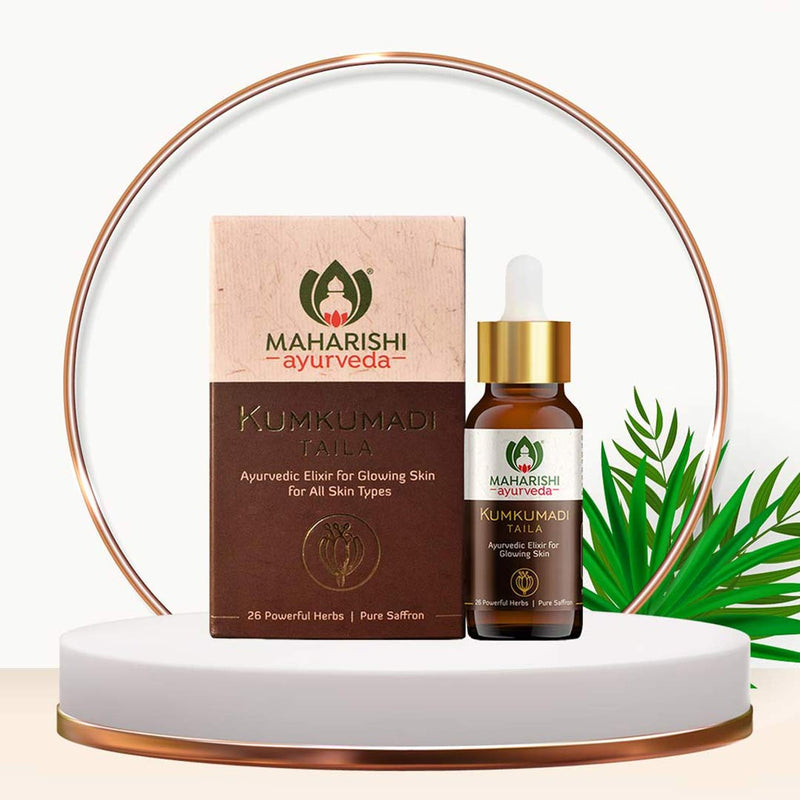
How Can Neem Soap Be Used for Oily Skin?
Neem soap may be used for cleansing oily skin when the formulation is appropriate. Despite neem's traditional reputation, soap containing neem is not an established acne treatment.
Neem Soap: Ayurvedic Cleansing for Everyday Skin Care
A neem-based cleansing soap for everyday skin care and a refreshing bathing experience.
Buy Now
What Is Citronella Soap Used For?
Citronella soap is commonly used for routine body cleansing and its distinctive botanical fragrance. Fragranced products may not suit sensitive skin.
Citronella Soap: Refreshing Botanical Cleansing
A citronella-infused bathing soap for everyday cleansing and a refreshing fragrance.
Buy Now
How May Sandalwood Soap Support Skin Freshness?
Sandalwood soap can provide everyday cleansing and a pleasant scent. Choose a gentle formulation and discontinue use if irritation occurs.
Sandalwood Soap: Gentle Everyday Skin Cleansing
A sandalwood-infused bathing soap for daily cleansing and a pleasant aromatic experience.
Buy Now
How Can Vata Massage Oil Support Dry Skin?
Vata Massage Oil is traditionally associated with nourishing oil massage. A suitable formulation may soften dry body skin and provide a relaxing sensory experience.
It may be applied before bathing or left on the skin when compatible with individual needs. Avoid application to irritated or broken skin.
Vata Massage Oil: Nourishing Ayurvedic Body Care
A traditional Ayurvedic massage oil designed for a soothing massage experience and softer-feeling skin.
Buy Now
How Should Ayurvedic Products Be Chosen?
Choose products according to skin type, ingredients, fragrance sensitivity, and intended use rather than relying solely on dosha descriptions.
Why Is Patch Testing Important?
Botanical ingredients can trigger skin reactions. Test new products on a small area before regular use.
Conclusion
The best skincare routine for Indian skin is one that suits your individual skin type, environment, and concerns.
Gentle cleansing, regular moisturising, and consistent sun protection provide a reliable foundation. Ayurvedic oils and botanical products may be incorporated for personal care and relaxation when well tolerated.
The most important principle is simple: healthy skincare depends on consistency and suitability, not the number of products used.
Popular Posts

Symptoms of Obesity: Early Signs, Health Risks and When to Take Action
30 Oct, 2026Obesity is a chronic condition involving excess body fat that can affect metabolic health, mobili...
Read more
Eczema vs Psoriasis: What Is the Difference?
30 Oct, 2026Eczema and psoriasis are chronic inflammatory skin conditions with different underlying causes. E...
Read more
Osteoarthritis vs Rheumatoid Arthritis: Key Differences
28 Oct, 2026When you are getting up from a chair you may feel stiffness in your knees. It may also cause you ...
Read moreRecommended Products


Made from 100% Rose Petals, Balances Skin pH Level, Best Natural Toner, Hydrates Skin


Ayurvedic Elixir for blemish-free, radiant skin, Non-sticky formula, Suitable for all skin types, Enriched with pure Saffron


Anti-Bacterial, Enriched with Vitamin E, Makes Skin Radiant & Beautiful, Overcomes Pimple Spots


Skin Soothing, Even out Skin Tone, Helps Reduce Acne & Spots, Adds Extra Boost of Moisture to Skin


Helps keep skin soft and glowing, Good for all skin types, Provides skin with the required moisturizer