FILTERS
Varicose Veins Symptoms: Causes, Early Signs and Ayurvedic Management

Varicose veins are enlarged, twisted veins that commonly appear on the legs, feet, and ankles, often appearing blue or purple beneath the skin. Early symptoms may include visible bulging veins, aching, heaviness, swelling, itching, or discomfort, sensations that typically worsen after prolonged standing. Management approaches encompass movement, regular exercise, lifestyle modifications, and Ayurvedic support measures. When symptoms persist or worsen, professional evaluation ensures proper diagnosis and prevents potential complications associated with chronic venous insufficiency.
TL;DR – Varicose Veins: What Should You Know?
- Varicose Veins Are Enlarged Veins: They are enlarged, twisted veins that commonly appear blue or purple on the legs, feet, and ankles due to weakened or dysfunctional vein valves.
- Common Symptoms Include Aching and Swelling: Visible bulging veins, heaviness, aching, leg swelling, itching, burning sensations, nighttime cramps, and skin changes may occur.
- Several Factors Can Increase Risk: Prolonged standing or sitting, age, family history, pregnancy and hormonal changes, excess body weight, and a sedentary lifestyle can contribute to varicose veins.
- Ayurveda Focuses on Holistic Support: Ayurvedic approaches traditionally focus on balancing Vata, supporting nourishment, circulation, diet, lifestyle habits, and appropriate external therapies.
- Movement Supports Healthy Circulation: Walking, gentle cycling, swimming, yoga, regular movement breaks, leg elevation, and maintaining a healthy weight can support circulation and help manage symptoms.
- Professional Guidance May Be Needed: Seek healthcare advice for sudden swelling, significant pain, skin changes, bleeding veins, non-healing wounds, or symptoms that suddenly worsen.
What Are Varicose Veins and What Do They Mean?
Varicose veins are enlarged and twisted blood vessels which are visible just under the skin, usually purple or blue. Varicose veins are simply enlarged blood vessels that stand out on the skin, usually on the legs, feet and ankles.
The first step to understanding varicose veins is to understand how normal veins work. Leg veins in healthy individuals have one-way valves to help propel blood up toward the heart against gravity. These valves can become weak or no longer function, which can cause blood to collect and back up, putting pressure on the walls of the veins. This leads to their stretching, bulging and twisting and gives them their distinctive look, which is different from regular veins visible on the skin.
The varicose veins' meaning extends beyond appearance. They are enlarged veins and indicate an underlying problem in circulation that affects millions of people, especially the people of India, who are often engaged in standing for long hours (teachers, nurses, shopkeepers) and those with sedentary desk-bound work styles. The condition is more common in women, and is common during pregnancy, during the hormone changes in women's lives, and as the body ages and the valves weaken.
How Does Ayurveda Approach Varicose Veins?
In Ayurveda it is referred to as Siragranthi or when veins in the limbs become dilated and enlarged. Classical literature, such as Sushruta Samhita and Charaka Samhita, describes this disease in detail, containing information that is still applicable today.
Siragranthi is mainly formed due to aggravation of Vata dosha, according to Ayurvedic philosophy. Vata imbalance is caused by long standing, over-exertion of the body, improper food habits (particularly astringent, bitter and pungent tastes) and weak constitution. Vitiated Vata invading into the circulatory channels (Siras), results in constriction, dryness and finally the formation of round, protruding vein structures.
The ayurvedic treatment is more different from considering the varicose veins a cosmetic or surgical problem. Rather it treats the root imbalance, makes veins firm, promotes blood circulation and calms the aggravated Vata and Pitta doshas. This holistic approach allows the body to heal itself and to not advance.
What Are the Most Common Symptoms of Varicose Veins?
Early identification of the symptoms of varicose veins allows timely intervention. Most common symptoms are:
- Visible, bulging veins: Rope-like or cord-like structures appearing prominently on the calves, thighs, and ankles
- Blue and purple discoloration: Dark-colored veins indicating pooled, deoxygenated blood<
- Aching and heaviness: A persistent dull ache in the legs, worsening as the day progresses
- Leg swelling: Especially around ankles and lower legs, which may get worse in the evening.
- Itching and skin discomfort: Itching, dryness or eczema like patches around affected veins
- Throbbing or burning sensation: A heat-like feeling described as pulsating or tingling
- Restless legs and nighttime cramps: Uncontrolled leg movements/uncomfortable feeling and/or sensation in legs like crawling, creeping.
- Skin changes: Brown or red skin around ankles from leakage of hemosiderin from the pooled blood.
These symptoms become worse when the legs are standing for a long time, when it is hot or when the legs are placed dependent for a prolonged period for many patients.
What Are the Early Signs of Varicose Veins?
An early diagnosis can make a difference! Some indications of varicose veins are:
The first sign of bulging or twisted veins: Many people simply ignore the first sign of bulging veins or veins showing through and dismiss it as “just veins showing through.”
Heavy-leg feeling: An discreet feeling that the legs are as if they were heavy, particularly at the end of the day, which is not necessarily vascular related and is more likely to be due to fatigue.
Mild aching after standing: Aches that improve when lying with raised legs.
Ankle and lower-leg swelling: Slow swelling that may leave a print or mark in footwear.
Warmth and itching: Warm feeling and itching in affected veins, especially at night.
The significance of recognising these early signs: It is vital to recognise these early signs as they can be prevented from progressing to stage 2 varicose veins with lifestyle changes and ayurvedic support and with expert advice.
What Causes Varicose Veins to Develop?
Understanding causes empowers prevention. Key contributing factors include:
- Weakened vein valves: The primary mechanism—damaged or dysfunctional one-way valves allow blood to pool
- Prolonged standing or sitting: Increases venous pressure in the legs without sufficient calf muscle movement to push blood upward
- Age: Natural weakening of vein walls and valve elasticity over time
- Family history: Genetic predisposition toward weak vein walls and valves
- Pregnancy and hormonal changes: Hormonal fluctuations weaken vein elasticity; increased blood volume adds pressure
- Excess body weight: Extra weight increases pressure on leg veins
- Sedentary lifestyle: Limited physical activity reduces the calf muscle pump action essential for circulation
- Female gender: Hormonal patterns make women more susceptible than men
Many of these are considered Vata aggravating factors from an Ayurvedic point of view: irregular routine, too much movement without rest, poor nourishment, depletion of body's constitutions.
Ayurvedic Management of Varicose Veins
The treatment of varicose veins in Ayurveda is done in a comprehensive manner as follows:
Internal Nourishment: Herbal preparations with Ashwagandha and Shatavari work on strengthening the walls of the veins through the tissue nourishment process of Dhatu Poshana. Manjista is used as a potent blood purifier which helps in enhancing blood circulation and minimising inflammation. Kaishora Guggulu acts as an immunomodulator & anti-inflammatory, and acts as an improvement to microcirculation.
External Therapies: Medicated oil application provides targeted relief. Pirant Balm, enriched with warming, circulation-enhancing herbs, penetrates deep into the tissues to help ease aching and heaviness. Regular massage with Bala-Ashwagandhadhi Oil or pure coconut oil supports Vata pacification while nourishing the skin and underlying tissues. Oil pulling with suitable oils, such as coconut oil, can also be incorporated into the daily routine as a traditional Ayurvedic practice to support oral cleanliness and overall oral care.
Liver Support: Livomap, Maharishi Ayurveda's specialised liver support formula, addresses the deeper metabolic imbalances contributing to impaired Rasa and Rakta Dhatu (tissue fluids and blood). A well-functioning liver ensures proper formation of nutritive fluids, strengthening vein walls and promoting efficient circulation.
Dietary Wisdom: Emphasise warm, easily digestible foods. Reduce astringent, dry, and excessive pungent tastes. Incorporate iron-rich foods and healthy fats to support blood quality. Stay adequately hydrated.
Livomap Tablets: Ayurvedic Liver Support
A traditional Ayurvedic formulation designed to support liver health, digestion, and natural detoxification
Buy Now
Lifestyle Practices Supporting Varicose Vein Management
- Regular movement: Walking, gentle cycling, and swimming activate the calf muscle pump
- Yoga practice: Viparita Karani (Legs Up the Wall Pose) uses gravity to drain pooled blood; Tadasana (Mountain Pose) engages leg muscles effectively
- Avoid prolonged stillness: Take movement breaks every 30 minutes during standing or sitting
- Leg elevation: Rest legs above heart level for 15-20 minutes daily
- Maintain healthy weight: Reduces venous pressure
- Compression support: When recommended, knee-high compression stockings aid circulation
When Should You Seek Professional Guidance?
Consult a healthcare provider if you experience sudden swelling, significant pain, skin changes, bleeding veins, non-healing wounds, or symptoms that suddenly worsen.
Supporting Your Vascular Health with Maharishi Ayurveda
Varicose veins represent a call from your body for integrated support. Through Ayurvedic wisdom, combining internal nourishment with Livomap for metabolic balance, external care using Pirant Balm and medicated coconut oil, targeted blood purification with Manjista, and consistent lifestyle practices, you address both symptoms and underlying imbalances.
The journey toward healthier veins and improved circulation begins with recognition and compassionate self-care. Maharishi Ayurveda's approach honours your body's innate intelligence while supporting your natural path to wellness.
Popular Posts

Osteoarthritis vs Rheumatoid Arthritis: Key Differences
28 Oct, 2026When you are getting up from a chair you may feel stiffness in your knees. It may also cause you ...
Read more
Neck Stiffness: Causes, Relief Tips and Prevention
26 Oct, 2026Some mornings, your neck feels stiff and hard to move. Even turning your head to check your phone...
Read more
Types of Headaches: Types, Causes, Symptoms and Relief Options
22 Oct, 2026You might consider a headache at the end of a long day when fatigue is felt. However, if pain com...
Read moreRecommended Products


Reduces stress and anxiety, Strengthens the immune health, Certified by ECOCERT

Supports memory and mental clarity, Improves concentration, Clams the mind and promotes relaxation, Certified by ECOCERT


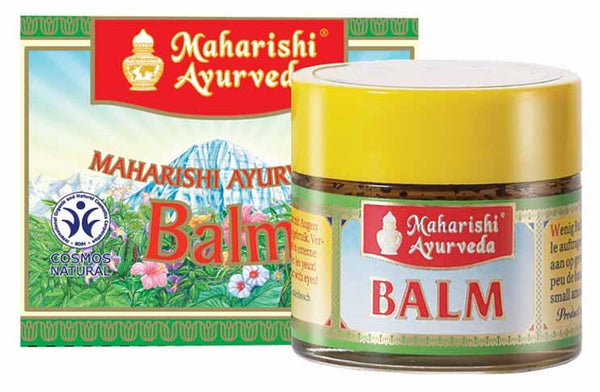
Pirant Balm is made from a unique combination of Pain relief Herbalized oils, which helps to cure any pain instantly.