FILTERS
Low AMH: What It Means for Fertility

A calm, clear guide for women who have just seen that number on a report.
Meera was 32 when the lab report landed in her inbox. One line stood out: AMH 0.8 ng/mL – low. Her periods were regular, her career was steady, and "baby, maybe next year" had always felt like a comfortable plan. She read that line four times, sitting on the edge of the bed.
If you have been in Meera's place, take a breath. A number is not a verdict. Here is what low AMH actually tells you, what it does not, and where to go from here.
TL;DR – Low AMH: What Should You Know?
- AMH Reflects Ovarian Reserve: AMH helps estimate the number of small follicles remaining in the ovaries.
- Low AMH Does Not Mean Infertility: Natural conception is still possible, as AMH measures egg quantity rather than quality.
- AMH Levels Decline With Age: AMH generally peaks in the mid-twenties and gradually decreases over time.
- Low AMH Often Has No Symptoms: Many women have low AMH despite regular periods and no noticeable symptoms.
- Lifestyle Supports Reproductive Health: Healthy eating, good sleep, adequate vitamin D, and stress management support overall wellness.
- Medical Guidance Is Essential: Fertility specialists can guide care, while Ayurvedic herbs may offer supportive wellness but are not proven to increase AMH.
What Is AMH and What Does It Tell You About Fertility?
What is AMH hormone, and what does it measure?
Anti-Müllerian hormone (AMH) is produced by the cells within the follicles of the ovaries which contain and release the eggs. It is helpful in developing reproductive organs prior to birth. In adults, it is a good indicator of ovarian reserve, so the higher AMH, the more small follicles will be.
Does AMH predict the ability to get pregnant?
Not on its own. An AMH test can give an estimate of the number of eggs that are still available, and to see how your ovaries may be able to react to injectable fertility drugs used in IVF treatment. It doesn't tell you if you can conceive naturally or not. One healthy egg is required for pregnancy, and AMH cannot judge the egg that is required for pregnancy.
What Are Normal AMH Levels?
What is the normal AMH range, and how does it vary with age?
AMH is measured in nanograms per millilitre (ng/mL). It increases during adolescence, peaks in the mid-twenties and subsequently decreases slowly. For adults, a general rule of thumb is that 1.0–4.0 ng/mL is normal, 0.3–1.0 is low and anything below 0.3 is very low. Each lab and assay is different, so be sure to read the results along with your own report.
For average AMH levels by age, these estimates sit on the lower side of normal:
- 25 years: about 3.0 ng/mL
- 30 years: about 2.5 ng/mL
- 35 years: about 1.5 ng/mL
- 40 years: about 1.0 ng/mL
- 45 years: about 0.5 ng/mL
What is a good AMH level to get pregnant?
There is no single cut-off. A range of roughly 1.5–4.0 ng/mL is often called optimal. Higher levels are also better either, as we will see with PCOS.
What Does Low AMH Mean for Fertility?
What does a low AMH level indicate?
It suggests fewer eggs remain in the ovaries. In practical terms, that may mean a shorter window for conceiving, natural conception that could take longer, and a lower response to fertility medicines.
Does low AMH mean you cannot get pregnant?
No. Many women with low AMH conceive naturally, particularly under 35. And because AMH measures quantity, not quality, it says little about the health of your eggs. Age is the bigger influence on quality. A 28-year-old with low AMH may well have excellent eggs.
Meera's doctor said something that stayed with her: "This tells us the clock matters. It doesn't tell us the clock has stopped."
What Are the Symptoms of Low AMH?
Can you have low AMH without symptoms, or with regular periods?
Yes and this is also why it is sometimes referred to as a “silent marker”. Most women find it during regular hormone evaluations or fertility exams, and they feel fine, and have regular periods. A low AMH is not enough to prevent periods from stopping.
However, some women experience shorter cycles (21-24 days rather than 28), abnormal menstruation (showing light or heavy periods), night sweats or mood swings. Often these are indicators of a more significant change in hormones or another underlying condition like a thyroid disorder, and should not be just assumed, but investigated.
Read: A Complete Guide to Ayurvedic Care for Female Reproductive Wellness →
What Is an AMH Test and How Is It Done?
The blood test is relatively easy. AMH remains more or less the same throughout the menstruation cycle and is acceptable to be taken on any day. It is usually used in combination with an ultrasound to be performed to determine the antral follicle count (AFC) - this counts the number of small follicles at the beginning of a cycle. If the AFC is low, it is likely that the AMH is also low.
An AMH test is done usually when you want to get pregnant later in life, if you have irregular periods, are thinking about egg freezing or IVF, or if you have had ovarian surgery, chemotherapy or early menopause in your family. A result is interpreted along with your age, your scan result and other hormones. Yes, AMH does vary over time, primarily declining as we get older.
Can AMH Levels Increase?
Can AMH levels increase naturally?
In modern science: there is no proven way to raise AMH significantly, because nothing truly rebuilds the egg supply. Modest ups and downs do happen, though, and several factors play a part:
- Hormonal contraception: AMH can be reduced by 30–40% when taking the contraceptive pill and reverts back to normal after stopping the pill.
- Vitamin D: During the winter months vitamin D levels tend to decrease and AMH may be approximately 18% lower during this season.
- Body weight: A higher BMI tends to lower AMH.
- Lifestyle: Night shifts, junk food and exposure to pollutants and chemicals can unsettle hormones.
- Thyroid autoimmunity: Frequently occurs with decreased AMH.
Can lifestyle changes help?
They are not able to increase the number but can help the ovaries they have. Quit smoking, ensure adequate Vitamin D intake, maintain a healthy weight, get a good night's sleep, control stress, and indulge in moderate alcohol consumption.
What Is the Treatment for Low AMH?
No medications increase AMH. The key to care is when and how to support. When you're attempting to conceive, consult a fertility specialist if you're more than 35 years old, you haven't been able to become pregnant for six months, or you are less than 35 and you haven't been able to become pregnant for a year. Any other time of irregular or missed periods or thinking of IVF or freezing eggs are good reasons to make that appointment.
But Ayurveda considers low AMH from its own perspective: Dhatu kshaya - the depletion of the tissues that nourish/feed Artava-the reproductive tissue. Classical practice focuses on detoxification (Agni), Rasayana therapy and Pathya, a supportive diet with foods that enhance Ojas.
Phal Ghrit: Traditional Ayurvedic Support for Fertility
A traditional Ayurvedic formulation featuring Phal Ghrit, designed to support female reproductive health and fertility wellness.
Buy Now
How Do AMH Levels Relate to PCOS?
Now it's all about the flip here. The women who develop PCOS, (or PMOS as it is now known), have a larger number of early stage follicles and each one has a greater amount of AMH present. The levels are typically 2 to 3 times above normal. However, PCOS is not always accompanied by a high AMH and an AMH alone cannot confirm a diagnosis of PCOS. One clue, plus symptoms, ultrasound and other hormone tests.
What Does High AMH Mean?
Levels > approximately 4.0 ng/mL are high. Does it promote better fertility? Not necessarily. When the follicles do not produce eggs, as they should, they remain small, and the cycles become irregular and difficult to conceive of. The ovaries do respond heavily to the fertility drugs, too, which is why it is important to be monitored.
Can Ayurvedic Products Support Reproductive Health With Low AMH?
Meera didn't give up the fertility plan, but it was time to consider what were other ways to help her body. There are herbs and preparations used traditionally in women's reproductive care which are available in Ayurveda and can be used as auxiliary medicine only after taking medical advice and direction; not used as a substitute.
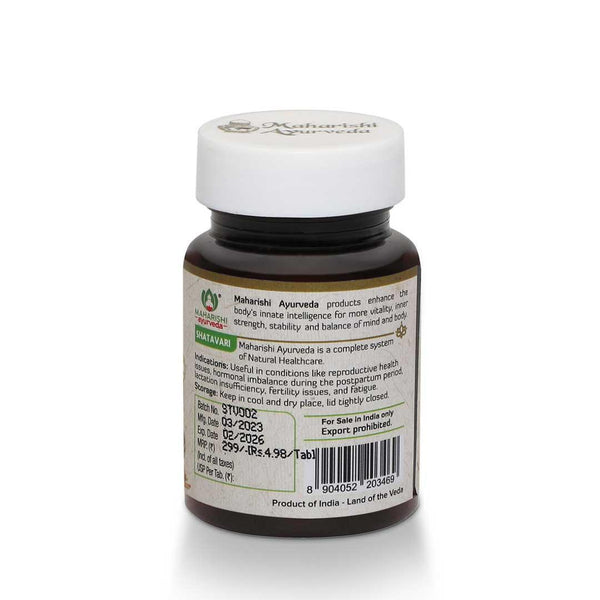
Shatavari Tablets: Traditional Ayurvedic Women's Wellness Support
An Ayurvedic herbal supplement traditionally used to support women's health and reproductive wellness.
Buy Now
How may Shatavari and Ashwagandha fit in?
In Ayurveda, Shatavari is classified as an adaptogen for health in women, and is known to contribute to balanced hormones and energy. Supportive care also involves stress management, and Ashwagandha is among the Ayurvedic herbs that are taken into account.
Organic Ashwagandha: Ayurvedic Stress & Vitality Support
Organic Ashwagandha, a traditional Ayurvedic herb used to support stress management, energy, and overall well-being.
Buy Now
How may Restone support women's wellness?
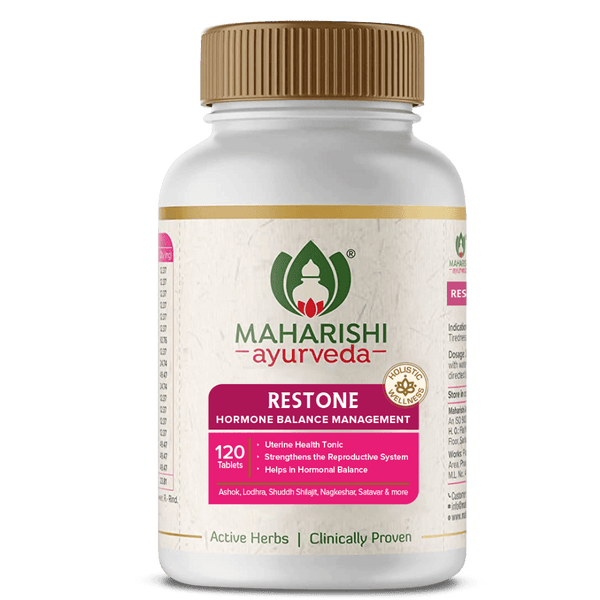
Restone contains Ashoka and Shatavari, herbs traditionally used in Ayurveda for women's health. It has a long list of primarily menstrual health and hormone regulation related benefits; it's probably best viewed as a supplemental product rather than a cure for low AMH.
Restone: Ayurvedic Support for Menstrual Health
An Ayurvedic herbal formulation featuring traditional ingredients to support menstrual health and women's wellness.
Buy Now
Can Ayurvedic products increase AMH levels?
A higher AMH number can't be guaranteed for any product, and it is not used here. These herbs are not used for diagnosis or fertility treatments; they are a part of the health of the reproductive organs. Let your vaidya know about any other medicines you are using, and use Ayurvedic medicines with a doctor's support.
Meera's report still said low. But it was a beginning - not the end - it was a way to learn about her body, consult a professional and make decisions with a clear conscience. The number is just the start of the discussion.
Explore More: Unsure about how elevated hormones or PCOS affect your overall ovulation cycle? →
Popular Posts

Varicose Veins Symptoms: Causes, Early Signs and Ayurvedic Management
05 Oct, 2026Varicose veins are enlarged, twisted veins that commonly appear on the legs, feet, and ankles, o...
Read more
Himalayan Pink Salt Benefits: Uses, Nutrition and What to Know
29 Sep, 2026A pinch of salt seems simple, yet Ayurveda has always looked closely at simple things: their tas...
Read more
Plaque vs Tartar: What Is the Difference and How Does Ayurveda Approach Them?
28 Sep, 2026Plaque is a soft, sticky film of bacteria that forms on teeth, while tartar is hardened or calci...
Read moreRecommended Products



Supports memory and mental clarity, Improves concentration, Clams the mind and promotes relaxation, Certified by ECOCERT


Reduces stress and anxiety, Strengthens the immune health, Certified by ECOCERT