FILTERS
Ayurvedic Fasting Guide for Janmashtami: What to Eat, Drink and Avoid

Janmashtami fasting in Ayurveda should be sattvik, light and personalised. Eat fruits, milk, soaked nuts, makhana, sabudana, kuttu, singhara, rajgira and herbal teas if they suit your digestion. Avoid onion, garlic, non-vegetarian food, alcohol, packaged snacks, excess caffeine and heavy fried foods.
Why Is Fasting Important on Janmashtami?
Fasting on Janmashtami supports devotion, discipline and inner reflection. It is not only about avoiding food. It is a way to create lightness in the body and calmness in the mind while remembering Lord Krishna.
From an Ayurvedic view, fasting gives rest to digestion, supports Agni and helps reduce heaviness. Since Janmashtami comes around a seasonal transition, the fast should be gentle, mindful and suitable for your body type.
What Is the Ayurvedic View of Janmashtami Fasting?
Ayurveda sees fasting as a way to reduce digestive load and support balance. A good fast should make you feel lighter and clearer, not weak, irritable or exhausted.
Ayurveda also says fasting is not only from food. It also means reducing anger, worry, violence, excess speech, overstimulation and untruthfulness. This is close to Achara Rasayana, the Ayurvedic idea of right conduct for wellbeing.
The best Janmashtami fast should support both digestion and devotion.
How Should You Fast According to Your Dosha?
Ayurveda recommends choosing your fasting style according to your dosha. Vata needs warmth and nourishment, Pitta needs cooling foods, and Kapha usually benefits from a lighter fast.
|
Dosha |
Best Fasting Style |
Good Options |
Avoid |
|
Gentle and nourishing |
Warm milk, soaked almonds, stewed apples, dates, light kheer |
Dry fasting, cold foods, long gaps |
|
|
Cooling and calming |
Coconut water, sweet fruits, coriander tea, milk, makhan mishri |
Spicy foods, caffeine, acidity-triggering fasts |
|
|
Light and energising |
Tulsi tea, warm water, light fruits, small portions of makhana |
Heavy sweets, fried foods, excess dairy |
If you do not know your dosha, follow a mild fruit, milk and herbal tea-based fast.
What Can You Eat During Janmashtami Fast?
During Janmashtami fast, you can eat sattvik foods such as fruits, milk, curd, makhana, sabudana, soaked nuts, dates, kuttu, singhara, rajgira, herbal teas and kapha can go on fast without eating anything but pitta and vata body types should take some light sattvic food.
Good fasting foods include:
- Banana, apple, papaya, pomegranate and pear
- Soaked almonds, walnuts, raisins, figs and dates
- Milk, curdand fresh butter, if suitable
- Sabudana khichdi
- Makhana kheer
- Kuttu roti or poori
- Singhara halwa
- Rajgira laddoo
- Coconut water
- Tulsi, cumin or coriander tea
Keep the food light and fresh. Fasting foods should not become heavier than regular meals.
What Should You Drink During Janmashtami Fast?
During Janmashtami fast, you can drink water, warm water, coconut water, milk and mild herbal teas. Hydration is important unless you are following a strict nirjala fast according to tradition and health capacity.
Good options include:
- Plain water
- Warm water
- Coconut water
- Milk with cardamom
- Tulsi tea
- Cumin tea
- Coriander tea
- Light herbal tea
- Avoid excess tea and coffee because they may increase acidity, restlessness and dehydration in some people.
Tulsi Green Tea: Ayurvedic Support for Calm & Refreshment
A refreshing Ayurvedic infusion crafted with Tulsi and green tea to support daily balance, clarity, and everyday wellness
Buy Now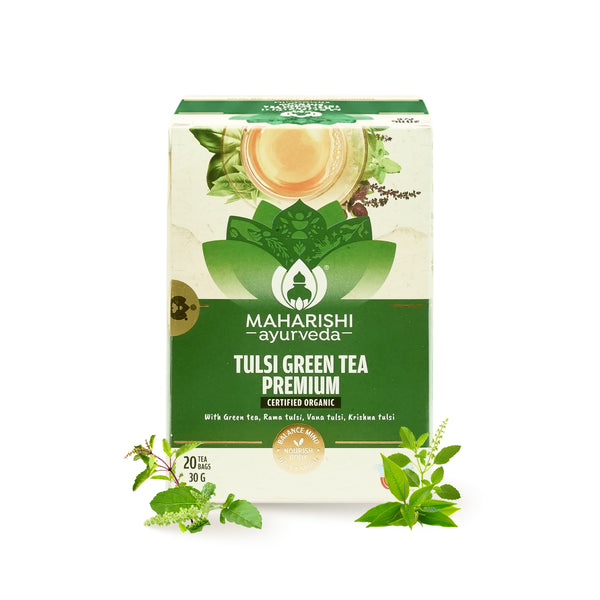
What Foods Should You Avoid During Janmashtami Fast?
During Janmashtami fast, avoid onion, garlic, non-vegetarian food, alcohol, packaged snacks, refined oils, white sugar, excess caffeine, stale food, heavy fried snacks and overstimulating foods.
Avoid:
- Onion and garlic
- Non-vegetarian food
- Alcohol
- Packaged snacks
- Refined oils
- Excess tea or coffee
- Stale food
- Heavy fried vrat snacks
- Too many sweets
- Table salt, if your tradition allows only sendha namak
The purpose of fasting is sattvik lightness, not overeating fried fasting food.
What Is Included in a Janmashtami Bhog Thali?
A Janmashtami bhog thali usually includes makhan mishri, panjiri, dhaniya panjiri, kheer, peda, seasonal fruits and milk-based sweets. In temples, Chhappan Bhog, or 56 offerings, may be prepared.
Common bhog items include:
|
Bhog Item |
What It Represents |
|
Makhan Mishri |
Krishna’s love for butter and simplicity |
|
Panjiri |
Nourishing festive prasad |
|
Dhaniya Panjiri |
Traditional midnight offering |
|
Kheer |
Milk-based sattvik sweet |
|
Peda |
Popular Mathura and Vrindavan prasad |
|
Fruits |
Freshness and sattvik purity |
|
Seedai or Vella Seedai |
Common in South Indian traditions |
These foods are devotional offerings and should be eaten in moderation after the fast.
How Should You Break the Janmashtami Fast?
You should break the Janmashtami fast gradually. Start with warm water, light herbal tea or a small amount of prasad. Avoid suddenly eating heavy, spicy, oily or fried foods.
This process is called Parana. It helps digestion restart gently after fasting.
A good way to break the fast:
- Sip warm water.
- Take a small amount of prasad.
- Eat light kheer, fruit or a soft sattvik food.
- Wait before eating a full meal.
- Avoid overeating at night.
Do not break a full-day fast with a heavy feast. It may cause bloating, acidity or heaviness.
Can You Fast If You Have a Medical Condition?
If you have diabetes, acidity, pregnancy, chronic illness, weakness, eating disorders or medication schedules, consult your doctor before fasting. A modified fast is often safer than strict fasting.
A modified fast may include:
- Fruits
- Milk
- Warm water
- Herbal tea
- Soaked nuts
- Light sattvik meals
- Shorter fasting windows
Devotion does not require harming the body. You can still observe Janmashtami through prayer, chanting, reading Krishna’s teachings and offering sattvik bhog.
Can Children and Elders Follow Janmashtami Fasting?
Children and elders should follow only gentle fasting, if at all. Strict fasting is not necessary. Warm milk, soft fruits, soaked almonds, light kheer and small portions of prasad are safer options.
They can participate through:
- Puja
- Bhajan
- Krishna stories
- Helping prepare bhog
- Eating sattvik food
- Avoiding heavy or tamasic foods
The goal is connection, not deprivation.
Is It Okay to Consume Ghee, Honey or Milk While Fasting?
Yes, ghee, honey and milk are allowed in many Janmashtami fasting traditions when used in moderation. These foods are considered sattvik and nourishing, but they should suit your digestion and health condition.
Use them carefully:
- Take milk only if you digest it well.
- Use ghee in small amounts.
- Do not heat honey.
- Avoid excess sweets.
- Avoid dairy if it causes bloating, mucus or discomfort.
Organic Ghee: Traditional Ayurvedic Support for Daily Nourishment
A pure, golden ghee traditionally valued in Ayurveda to support digestion, vitality, and everyday wellness routines
Buy Now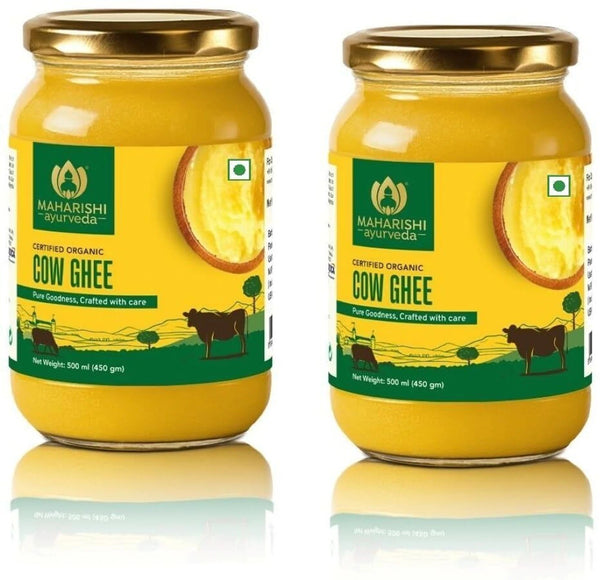
What Is the Best Janmashtami Fast for Beginners?
The best Janmashtami fast for beginners is a mild sattvik fast with fruits, milk, herbal teas, soaked nuts, makhana, sabudana and light prasad. Avoid strict nirjala fasting if you are new to fasting.
|
Time |
Beginner-Friendly Option |
|
Morning |
Warm water or herbal tea |
|
Mid-morning |
Fruit or soaked almonds |
|
Afternoon |
Sabudana khichdi or makhana |
|
Evening |
Tulsi tea or milk |
|
Bhog time |
Small prasad |
|
Parana |
Warm water and light sattvik meal |
This keeps the body steady and the mind calm.
What Is the Final Takeaway on Janmashtami Fasting?
Janmashtami fasting is not only about avoiding food. It is a devotional and Ayurvedic practice that supports lightness, discipline, reflection and connection with Lord Krishna.
Eat sattvik foods that suit your body. Avoid heavy, fried, packaged and overstimulating foods. Fast according to your strength, break the fast gently and keep the day focused on devotion, not deprivation.
Popular Posts

Home Remedies for Migraine: Simple Remedies and When to See a Doctor
16 Oct, 2026Migraine is more than an ordinary headache that strikes at the worst time. People are eager to fi...
Read more
What Is Metabolic Health and Why Does It Matter for Weight Management?
15 Oct, 2026Metabolic health refers to how effectively the body manages blood sugar, blood pressure, blood fa...
Read more
Low AMH: What It Means for Fertility
14 Oct, 2026A calm, clear guide for women who have just seen that number on a report. Meera was 32 when the l...
Read more