FILTERS
Can Tea Cause Acidity? What to Know Before Drinking It

Tea is one of the world's most beloved beverages a comforting ritual that millions of us turn to for warmth, flavor, and a moment of calm. Yet for some people, that soothing cup of tea can trigger an unwelcome reaction: acidity, heartburn, or that familiar burning sensation in the throat. So, can tea cause acidity? The answer isn't as straightforward as a simple yes or no.
Unfortunately, tea isn't always acidic for everyone. But, in some people, the amount of caffeine, the strength of the tea, amount of tea consumed, their individual sensitivity and time of tea drinking (particularly drinking tea on an empty stomach) can all cause acidity symptoms. Tea is very acidic and if you have a Pitta-dominant body type, a past history of acid reflux or an intolerance to digestion, you will likely be more sensitive to the acidity of tea.
The key to tea without discomfort is understanding how tea works with your digestive system, and learning about which varieties are better suited to your body type.
Read our complete guide on herbal teas ,its benefits and more---->
Why Can Tea Trigger Acidity or Acid Reflux in Some People?
The link between tea and acidity may not be as straightforward as it seems. There are a number of ways in which tea can lead to acid reflux or acid reflux symptoms.
In many instances, it is the caffeine that is responsible. The caffeine in tea can cause the lower esophageal sphincter (the ring of muscle at the bottom of your esophagus) to relax, allowing stomach acid to leak into the esophagus. If this valve fails to close properly, fluid and food in the stomach can back up into the oesophagus, and that is why you get that burning sensation. In susceptible people, tea can also trigger the gas formation of gastric acid, which can increase the acid effect.
The effect is not consistent, however. It depends on the strength of the tea, the quantity consumed, the time of day and the digestive system of the individual’s type of prakriti whether tea for acidity is a problem. A few cups of weak tea taken with food will be very different to multiple cups of strong tea taken on an empty stomach.
Does Caffeine Make Acidity Worse?
Yes, caffeine can exacerbate acidity and acid reflux, but not for everyone. With people who are facing acid refluxers, even the moderate amount of caffeine can cause problems. The most important factor is sensitivity; in some people, a cup of coffee will be fine, but in others, it will cause acidity symptoms.
Check out How to choose best caffeine free tea for you--->
Can Drinking Tea on an Empty Stomach Trigger Discomfort?
Absolutely. One of the most frequent causes of the acidity symptoms is the consumption of tea without food. These acid and caffeine-based compounds of tea come in direct contact with the stomach lining when the stomach is empty, without the buffering properties of food. This is particularly difficult when making tea with warming herbs and spices, such as cinnamon, ginger or clove, which are heated in nature and may aggravate pitta and cause inflammation .
Does Strong or Excessive Tea Increase the Risk of Symptoms?
Indeed it does. A strong, spicy cup of tea that is taken regularly is more likely to be an acid-forming drink than a light cup of tea taken sparingly with meals. It is important, very important, to remember that the amount of caffeine consumed can make a huge difference, and that a weak cup of coffee at breakfast is not the same as a strong cup throughout the day!

Which Types of Tea May Be Better or Worse for Acidity?
When it comes to making the digestive system comfortable, not all teas are the same. The caffeine content, and therapeutic properties of each variety of tea can help you make informed selections.
Does Green Tea Cause Acidity?
Caffeine is present in green tea, but in less amount than black tea. But, does green tea make you acidic? Yes, it can especially if consumed frequently or in large amounts. Low doses of caffeine can add up and cause effects in those who are sensitive, especially if taken several times a day.
Does Black Tea Cause Acidity?
Black tea has been fully oxidized and has a higher concentration of caffeine and tannins than green tea. This oxidation also makes it more acidic. Does black tea cause acidity? Yes, in many people. Strong black tea can have a significant impact on worsening heartburn and reflux symptoms by relaxing the lower esophageal sphincter and increasing stomach acid production.
Is Lemon Tea Good for Acidity?
The answer is no. Is lemon tea good for acidity? Unfortunately, it's not. In Ayurvedic terms, lemon has Amla Rasa (sour taste) quality and it can aggravate Pitta rather than alleviating it. In people who tend to get acid reflux, lemon tea can make the symptoms of acid reflux worse.
What Tea Can You Drink If You Have Acidity?
If you can't stand the acidity of tea, but you don't want to give it up altogether, there are a few options that will give you relief without causing discomfort in your digestive system.
Is Ginger Tea Good for Acidity?
Indeed, ginger is warming and stimulating, but is probably better suited to help alleviate bloating, indigestion, and heaviness that some people may feel after eating, as opposed to treating active stomach acid. Ginger tea might not be optimal for people who tend to produce too much acid.
Turmeric Ginger Tea: Ayurvedic Support for Warmth & Balance
A warming Ayurvedic infusion crafted with turmeric and ginger to support digestion, comfort, and everyday wellness
Buy Now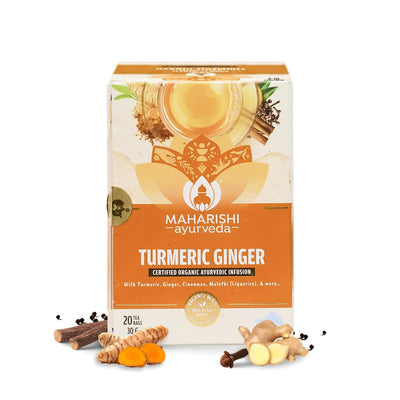
Pitta Tea and Rose Tea: Cooling Solutions
A traditional tea of licorice and rose is much more appropriate to acidity management (Pitta tea). Both ingredients are cooling and pacifying for Pitta which helps to calm down the burning sensation and inflammation when there is excess acid in the body. Rose tea especially is cooling to ease the esophagus, and is a great tea for people prone to heartburn.
Pitta Soothe Tea: Ayurvedic Support for Cooling & Balance
A soothing Ayurvedic infusion crafted to support Pitta balance, inner calm, and everyday wellness
Buy Now
CCF Tea: A Digestive Classic
CCF tea, a simple tea using coriander, fennel and cumin seeds, is one of the most valuable digestive aids in Ayurveda, and is one teaspoon each in a glass of hot water. This blend is less spicy than others and does not aggravate the stomach, but gently stimulates digestion.
Which Herbal Teas May Be Gentler on Digestion?
Tulsi (holy basil) and herbal infusions without added warming spices are generally easier on the stomach than caffeinated teas. Tulsi has mild digestive support without the aggravating effects of high caffeine or strong heating properties.
Check out which herbal teas are best for bloating and Digestion--->
How Should You Prepare Tea If You Are Sensitive to Acidity?
As much as the tea selection, preparation is important. Reduce extraction of tannin by steeping for a shorter time. Reduce the amount of tea leaves or one tea bag to avoid using several. Do not make tea that is too hot; very hot tea may irritate the lining of the esophagus. Always have tea with food – a snack or meal will help to minimize the risk of acidity.
When Is Tea for Acid Reflux More Likely to Cause Problems?
Several common scenarios make tea for acid reflux more likely to trigger symptoms:
- Drinking on an empty stomach: The most significant risk factor
- Blending with warming spices like cinnamon, clove, or ginger
- Frequent or excessive consumption: Even mild teas can accumulate and trigger symptoms
- Strong brewing: Longer steeping times release more compounds that stimulate gastric acid
- Late-night consumption: Tea close to bedtime can worsen reflux while lying down
How Does Ayurveda View Tea and Acidity?
In Ayurvedic philosophy, there's a wealth of knowledge to explain how tea can impact various people in different ways. In Ayurveda, acidity is dealt with by understanding an individual's constitution and digestive fire.
The Ayurvedic Perspective on Amla Pitta
Excess acidity in Ayurveda is known as Amla Pitta, which occurs when Pitta becomes vitiated (to spoil something ) due to eating too many acid, heat or fermented or sour foods and beverages. It is caused by excessive 'amla' (sourness) of 'pitta' that overpowers the digestive system. It's important to grasp this: Tea drinking occurs not in isolation. It is one of your overall eating patterns, and if coupled with other acidifying habits, it can lead you to Amla Pitta.
How Agni and Individual Constitution Influence Tea Tolerance
The effect tea has on you will depend on your Agni (digestive fire) and your Prakriti (constitutional type). In fact, persons with a sharp and intense Agni will find that increased tea consumption would increase their digestive fire even more and make them become hyperacidic and suffer from burning micturition. A Pitta person (who tends to be hot and acidic) will feel aggravation (burning or bloating) and discomfort from a cup of tea enjoyed easily by a Kapha person.
This is the reason why it is essential that tea for acidity must be customized. Everyone has a different "good tea" according to their constitution.
Why Ayurveda Considers Timing and Quantity Important
In Ayurveda, timing and quantity is very crucial. Tea consumed on an empty stomach may cause acidity. Tea combined with food, hinders iron and protein absorption, and creates Ama (undigested food waste) which worsens digestion. Likewise, drinking tea after eating, or after cold foods, dairy or foods with salt, results in incompatible food combinations that further vitiate Pitta.
According to Ayurveda, tea should be taken an hour or more than 40 minutes after eating as the food is already in the process of digestion.
What Are the Best Ways to Drink Tea Without Aggravating Acidity?
Practical, sustainable habits are more effective than rigid rules. Consider these evidence-based approaches:
- Avoid tea on an empty stomach: Always pair it with snacks
- Keep consumption moderate: One cup per day is vastly different from four
- Brew gently: Steep for shorter periods to reduce acidifying compounds
- Consider your caffeine sensitivity: Assess how your body responds
- Allow time before bed: Finish your tea at least six hours before sleep
- Pay attention to your personal triggers: Not every acidifying food bothers everyone
- Maintain proper meal spacing: Wait 40 minutes after eating before consuming tea
What Should You Avoid Adding to Tea If You Have Acidity?
Several common additions can dramatically increase acidity risk:
- Warming spices like clove, cinnamon, and strong ginger
- Lemon or concentrated citrus: Even "healthy" lemon water can trigger acid reflux
- Excessive sugar: Fermentation and digestive disruption
- Strong masala blends: Heating spice combinations aggravate Pitta
- Extended brewing: The longer you steep, the more tannins and irritating compounds concentrate
When Should You Stop Managing Acidity With Dietary Changes Alone?
Diet changes work for most people, but some symptoms require a health professional's assessment. When dizziness, severe burning, dry cough, blocked nose, disturbed bowel movements, or abdominal pain happens frequently, or if you experience any of the above symptoms, it's time to consult a healthcare provider and not just make adjustments to the tea.
Supporting Your Digestive Health: Maharishi Ayurveda Solutions
If you are suffering from acidity and need complete support, Maharishi Ayurveda has formulas that bring complete relief from digestive imbalance at its very source. Livomap, for instance, helps maintain a healthy digestive and liver function which are two interconnected systems that play an important role in metabolism. These can be used alongside conscious tea drinking and ayurvedic lifestyle habits to balance the digestive system.
Support Better Digestion, Naturally
Explore Ayurvedic gut care solutions designed to support healthy digestion, regular bowel movements, gut balance and everyday digestive comfort.
Popular Posts

What Is Metabolic Health and Why Does It Matter for Weight Management?
15 Oct, 2026Metabolic health refers to how effectively the body manages blood sugar, blood pressure, blood fa...
Read more
Low AMH: What It Means for Fertility
14 Oct, 2026A calm, clear guide for women who have just seen that number on a report. Meera was 32 when the l...
Read more
Varicose Veins Symptoms: Causes, Early Signs and Ayurvedic Management
05 Oct, 2026Varicose veins are enlarged, twisted veins that commonly appear on the legs, feet, and ankles, o...
Read more