FILTERS
Fenugreek Seeds: Ayurvedic Benefits, Uses, Nutrition & Daily Consumption
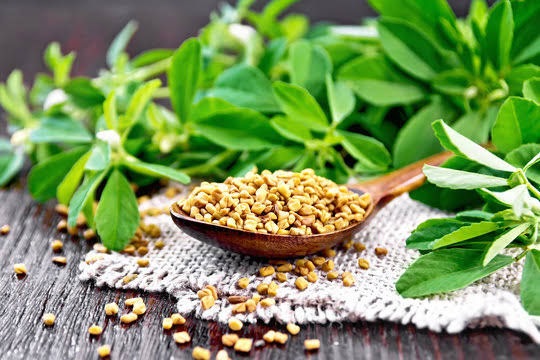
If you have grown up in an Indian kitchen, you have likely seen small, yellowish-brown seeds in the spice box. These are fenugreek seeds, known as methi seeds in most homes. In Ayurveda, this humble seed is valued for supporting digestion, metabolism, joint comfort and overall wellness. Here is what fenugreek seeds are, what Ayurveda says about them, their nutrition, benefits and simple ways to use them daily.
TL;DR – Fenugreek Seeds Benefits, Uses & Cautions
- Fenugreek Supports Digestion: Methi seeds are traditionally used to kindle Agni, reduce bloating, support metabolism, and balance Vata and Kapha.
- Helpful for Blood Sugar Balance: Soluble fibre, galactomannan, and 4-Hydroxyisoleucine may help slow carbohydrate absorption and support healthy glucose metabolism.
- Supports Joint and Women’s Wellness: Its warming, Vata-balancing nature may help with stiffness, mobility, postpartum recovery, menstrual comfort, and strength.
- Easy to Use Daily: Fenugreek can be taken as overnight-soaked seeds, fenugreek water, roasted powder, herbal tea, sprouts, or traditional methi laddoo.
- Use With Caution: People with excess Pitta, acidity, internal heat, pregnancy, or sensitive digestion should use fenugreek carefully and avoid high medicinal quantities without guidance.
What Are Fenugreek Seeds and Why Are They Important in Ayurveda?
Sanskrit, Btanical and Common Names
Fenugreek has Sanskrit names, Methika, Methi and Bahuparni. The botanical name is Trigonella foenum-graecum and in Hindi it is known as Methi Dana. These little angular golden brown seeds have been used for years in Indian households and the Ayurvedic medicine.
Traditional Ayurvedic References
Bhavaprakasha and Raj Nighantu, traditional herbal reference books state the use of fenugreek. Bhavaprakash mentions that Methika is pungent and bitter in taste and enhances digestion, metabolism, balances Vata (air and movement energy) and Kapha (earth and water energy) and increases Agni (digestive fire). This is echoed by the Raj Nighantu, which says that fenugreek balances Vata and Kapha and strengthens and supports digestion.
Why Methika Is Considered a Valuable Ayurvedic Herb
Fenugreek has so many attributes in a single seed: kindler for digestion, two dosha balancing and nourisher to the body, that's why it is still a part of every day Ayurvedic wellness.
What Are the Ayurvedic Properties of Fenugreek Seeds?
In order to learn the action of an herb in Ayurveda, its Rasa (taste), Guna (qualities), Virya (potency) and Vipaka (post-digestive action) are studied. These are the ayurvedic properties of the fenugreek seed, which demonstrate its action in the body.
Rasa, Guna, Virya and Vipaka
Fenugreek has Katu (pungent) Rasa, Guru (heavy) and Snigdha (unctuous, slightly oily) Guna, Ushna (heating) Virya and Katu Vipaka.
Effect on Vata, Pitta and Kapha
This Ushna Virya is cooling for Vata imbalance and Kapha imbalance, causing Pitta imbalance if taken in excess.
|
Property |
Fenugreek Seeds |
|
Rasa (Taste) |
Katu (pungent), Tikta (bitter) |
|
Guna (Qualities) |
Guru (heavy), Snigdha (unctuous) |
|
Virya (Potency) |
Ushna (heating) |
|
Vipaka |
Katu |
|
Dosha Effect |
Pacifies Vata and Kapha; may increase Pitta in excess |
What Nutrients and Active Compounds Make Fenugreek Seeds Beneficial?
Nutritional Profile
Fenugreek nutrition is impressive for such a small seed. Per 100 g, it provides roughly 323 kcal, 58 g carbohydrates, 23 g protein, 6.4 g fat and about 25 g of dietary fibre, plus calcium, iron, magnesium, phosphorus, potassium and zinc.
|
Nutrient |
Amount (per 100 g) |
|
Energy |
~323 kcal |
|
Carbohydrates |
~58 g |
|
Protein |
~23 g |
|
Fat |
~6.4 g |
|
Dietary Fibre |
~25 g |
|
Calcium |
~176 mg |
|
Iron |
~33.5 mg |
|
Magnesium |
~191 mg |
|
Phosphorus |
~296 mg |
|
Potassium |
~770 mg |
|
Zinc |
~2.5 mg |
Important Bioactive Components
Fenugreek seeds have unique bioactive ingredients such as Galactomannan (soluble fibre), 4-Hydroxyisoleucine (rare amino acid), Trigonelline (natural alkaloid), Diosgenin (steroidal saponin) and saponins, flavonoids and polyphenols.
Why Fibre and Phytochemicals Matter
The seed contains about 45-50 per cent dietary fibre, which is complemented by its phytochemicals (plant chemicals) to maintain the blood sugar levels, healthy cholesterol and digestion in a healthy way.
What Are the Health Benefits of Fenugreek Seeds?
How Do Fenugreek Seeds Support Healthy Blood Sugar Metabolism?
This is among the most researched fenugreek benefits. In addition, Diosgenin promotes insulin sensitivity, 4-Hydroxyisoleucine is used to release insulin only in the presence of glucose, and Galactomannan creates a gel that blocks the absorption of carbohydrates and supports blood sugar after meals.
How Can Fenugreek Seeds Support Digestion and Agni?
Being Katu and Tikta, fenugreek kindles Agni (digestive fire) and pacifies Vata and Kapha. Its carminative (gas-relieving) action helps reduce discomfort, distention and bloating, making fenugreek for digestion a trusted traditional choice.
Can Fenugreek Seeds Help Support Joint Mobility?
They are Ushna (hot) in nature and Vata pacifying in nature so fenugreek is useful in stiffness and mobility. They induce the fire of Agni, which prevents the accumulation of Ama (undigested toxins), one of the Ayurvedic root causes of joint pain, while linolenic and linoleic acid help to reduce inflammation, and antioxidants protect joint tissues from free radical damage.
How Do Fenugreek Seeds Support Women's Wellness?
Fenugreek for women is used during the natural rise of Vata during the post partum period. It is Vata balancing in nature so that it relieves discomfort after delivery, helps in natural contraction and increases strength. It is traditionally used for healthy lactation, soaked in water overnight and consumed in the morning, or cooked in ghee; sautéed in ghee for a comfortable menstrual flow.
Can Fenugreek Seeds Support Weight Management?
As a source of fibre, fenugreek helps to enhance satiety (fullness) and curb too much hunger, making it useful for weight management purposes.
How Do Fenugreek Seeds Support Heart Wellness?
Fenugreek seed has compounds that promote healthy lipid metabolism and heart wellness.
Can Fenugreek Seeds Help Maintain Healthy Cholesterol Levels?
Its soluble fibre supports fenugreek for cholesterol management as part of a balanced lifestyle.
How Do Fenugreek Seeds Support Strength and Recovery?
A tablespoon of fenugreek seeds (about 11 g) offers close to 3 g of plant-based protein, supplying amino acids for muscle repair, and traditionally features in preparations for energy, stamina and recovery after exertion.
Why Are Fenugreek Seeds Considered Rich in Antioxidants?
Fenugreek has remarkable antioxidant properties thanks to flavonoids and polyphenols which are thought to help the body make its own antioxidant enzymes and shield the muscles, liver, brain and heart from oxidative stress.
How Can You Consume Fenugreek Seeds for Different Wellness Goals?
|
Health Concern |
Best Way to Consume |
|
Blood Sugar Support |
1 tsp fenugreek seeds soaked overnight, consumed in the morning |
|
Joint Health & Vata Disorders |
Fenugreek powder with warm water and a little ghee |
|
Poor Digestion & Bloating |
Lightly roasted fenugreek powder after meals |
|
Weight Management |
Fenugreek water prepared from overnight-soaked seeds |
|
Postpartum Recovery & Strength |
Traditional methi laddoo with ghee, nuts and natural sweeteners |
Who Can Benefit Most from Fenugreek Seeds?
Fenugreek suits those with sluggish digestion, people seeking metabolic support, individuals wanting joint comfort, women in the postpartum period, and anyone seeking natural satiety support.
Who Should Use Fenugreek Seeds with Caution?
Individuals with excess Pitta, hyperacidity or internal heat should use fenugreek in moderation, as its heating nature may aggravate these conditions. Pregnant women should avoid medicinal quantities unless guided by a qualified practitioner, and those with sensitive digestion should start small, since excess intake may cause discomfort — appropriate serving sizes should always be followed.
What Is the Best Time to Consume Fenugreek Seeds?
Fenugreek is best eaten in the morning, on an empty stomach, for maximum absorption, especially when soaked overnight.
Morning Consumption
Morning consumption supports bowel clearance and balanced blood sugar through the day.
Before Meals
Soaked seeds before meals gently prepare the digestive system.
After Meals
Fenugreek powder after meals aids digestion and adds to satiety.
Soaked vs Powdered Fenugreek
Soaked fenugreek seeds are softer, easier to digest, and release beneficial enzymes overnight a gentle start for beginners. Powder suits smoothies, yogurt or salads, though its bitterness is best balanced with honey or lemon.
Are Soaked Fenugreek Seeds Better Than Fenugreek Powder?
Benefits of Soaking
Soaked fenugreek seeds benefits are easy digestion and mild effect on the stomach – perfect for the beginners or sensitive digestion.
Benefits of Powder
Fenugreek powder can be easily incorporated into regular meals and drinks.
Which Option Suits Different Wellness Goals
Soaked seeds are suitable for blood sugar or weight loss, and powder is more suitable for daily use in cooking.
How Can You Add Fenugreek Seeds to Your Everyday Diet?
Fenugreek water can be prepared by soaking 2 teaspoons of fenugreek seeds in a glass of water for 12 hours. Herbal tea can be brewed with a teaspoon of seeds to aid digestion and joint comfort. Methi laddoo with ghee, nuts and natural sweeteners is beneficial to nourish the body and strengthen the joints and muscles during winter season. Sprouted fenugreek is another healthy option and tempering curry with fenugreek seeds helps balance dosha and provides nutrients. For pain, fenugreek powder is traditionally taken in warm water, between meals.
What Does Modern Research Say About Fenugreek Seeds?
Galactomannan is understood to slow carbohydrate absorption, supporting insulin sensitivity and blood sugar metabolism. Soluble fibre is thought to bind cholesterol in the gut, helping lower total and LDL cholesterol (Wang et al., 2023), and combined blood sugar, cholesterol and antioxidant effects support heart wellness (Hanafi et al., 2022). Polyphenols and flavonoids lend notable antioxidant activity against oxidative stress. In women's health, studies point to a positive impact on hormonal balance, including possible support for menopause and PCOS, or polycystic ovary syndrome (Nannar et al., 2023). Fenugreek has also drawn interest for exercise recovery, given its protein content and role in blood sugar regulation, and for appetite-suppressing, thermogenic (calorie-burning) properties supporting weight management (Al-Snafi et al., 2022).
Popular Posts

What Is Metabolic Health and Why Does It Matter for Weight Management?
15 Oct, 2026Metabolic health refers to how effectively the body manages blood sugar, blood pressure, blood fa...
Read more
Low AMH: What It Means for Fertility
14 Oct, 2026A calm, clear guide for women who have just seen that number on a report. Meera was 32 when the l...
Read more
Varicose Veins Symptoms: Causes, Early Signs and Ayurvedic Management
05 Oct, 2026Varicose veins are enlarged, twisted veins that commonly appear on the legs, feet, and ankles, o...
Read more