FILTERS
Home Remedies for Migraine: Simple Remedies and When to See a Doctor

Migraine is more than an ordinary headache that strikes at the worst time. People are eager to find out home remedies for migraine to end the headache as soon as possible. This article will talk about what is migraine, symptoms, causes and types of migraine and effective home remedies that will help you to get rid of migraine. In addition, we will also explore an Ayurvedic treatment for migraine, and when to seek medical advice.
Please note: Home remedies can only be used to alleviate the pain from a migraine, they cannot cure one.
TL;DR – Home Remedies for Migraine
- Migraine Is a Neurological Condition: It can cause severe, throbbing headaches, nausea, sensitivity to light and sound, and sometimes visual disturbances called aura.
- Identify Your Triggers: Stress, poor sleep, dehydration, skipped meals, and certain foods can trigger migraine attacks. Keeping a trigger diary may help identify personal patterns.
- Try Simple Home Remedies: Resting in a dark, quiet room, using a cold or warm compress, drinking water, and practising slow breathing may help ease symptoms.
- Build Consistent Daily Habits: Regular sleep, balanced meals, adequate hydration, gentle exercise, and stress management may help reduce migraine triggers.
- Ayurvedic Approaches Require Guidance: Ayurveda may include herbs, oils, and traditional therapies, but consult a qualified healthcare professional before using remedies or combining treatments.
- Know When to Seek Medical Care: Consult a doctor for frequent or worsening migraines. Seek urgent care for a sudden, severe headache, weakness, confusion, vision loss, or headache with fever and a stiff neck.
What Is a Migraine?
A migraine is a chronic (long-term) neurological condition that results in intermittent, severe, throbbing or pulsating head pain. Neurologic refers to the nerves. Headaches that occur for 4 to 72 hours, and are not successfully treated with a migraine.
It is thought that the nerves in the brain of a person who suffers from migraine are hypersensitive. When these brain centers become overactive, they trigger a chain of events in the brain, causing changes in nerve pathways, brain chemicals and blood vessels – which is what leads to a migraine attack.
What Are the Common Symptoms of Migraine?
The common migraine symptoms are discussed in the next section. In other words, they involve suffering from intense headache, photophobia (light sensitivity), phonophobia (sound sensitivity), nausea and for some variants of migraine, auras (disturbances of the visual field).
What Causes Migraines?
The cause of migraine is unknown but there appear to be genetic and environmental factors involved. It is also likely to run in families, so if there is someone in your family who experiences migraine, you may be more at risk of experiencing migraine too.
What Are the Different Types of Migraine Headaches?
There are several different types of migraine headaches; the most common is a migraine without aura, the least common is a hemiplegic and retinal migraine. Here are a few for your reference:
What Are the Common Symptoms of Migraine?
What Are the Symptoms of Migraine?
Migraine symptoms differ from person to person. The most common are:
- Head pain: severe, throbbing or pulsing pain, often worse with physical movement.
- Sensory sensitivity: extreme discomfort with bright lights (photophobia), loud noises (phonophobia), strong smells or touch.
- Digestive issues: nausea and vomiting.
- Aura: sensory or visual disturbances before or during an attack in some people. These include flashing lights, zigzag lines or blind spots.
- Other signs: brain fog, dizziness, fatigue and neck stiffness.
A migraine attack often moves through four phases, though not everyone experiences all of them:
- Prodrome (warning phase): hours or a day before the headache, you may notice mood changes, fatigue, food cravings or stiff muscles.
- Aura phase: temporary changes in vision, speech or sensation, lasting 5 to 60 minutes.
- Headache phase: the main phase of intense, throbbing pain, lasting 4 to 72 hours.
- Postdrome (“migraine hangover”): feeling drained, confused or washed out after the pain ends.
Can Stress, Sleep Changes or Certain Foods Trigger Migraines?
Yes. Lack of sleep and stress add to the problem. Certain foods can also trigger migraine attacks in some people. Common culprits include:
- Aged cheeses and other foods containing tyramine (a natural compound), such as beans
- Processed or cured meats (due to nitrates)
- Chocolate
- Caffeinated drinks
- Alcohol, especially red wine
- Artificial sweeteners such as aspartame
- Yoghurt
- Peanuts, and anything hard to digest that may cause bloating or acidity
- Chinese food or other dishes containing MSG (monosodium glutamate, a flavour enhancer)
Triggers vary, so keeping a food diary can help you spot your own sensitivities.
What Are the Different Types of Migraine Headaches?
- Migraine without aura: the most common type of migraine found.
- Migraine with aura: flashing lights, blind spots or tingling before the headache.
- Chronic migraine: migraine symptoms on 15 or more days in a month. The frequency makes it especially disruptive.
- Hemiplegic migraine: a rare but serious form with temporary paralysis or weakness on one side of the body. It can resemble a stroke and often needs immediate medical attention.
- Vestibular migraine: mainly affects balance, causing dizziness, vertigo (a spinning feeling) or coordination problems, sometimes without a severe headache.
- Retinal migraine: temporary vision loss or disturbance in one eye, usually followed by a headache. It is rare and may signal a more serious condition.
What Are the Best Home Remedies for Migraine?
Acting early, at the start of an attack, gives the best results from home remedies for migraine pain.
Can Resting in a Dark and Quiet Room Help?
Yes. Bright lights, loud sounds and screens worsen migraine pain. Moving to a dark, cool, quiet room and closing your eyes, or wearing an eye mask and earplugs, lets your nervous system settle and lowers pain intensity.
Can a Cold or Warm Compress Help Relieve Migraine Pain?
- Cold compress: wrap an ice pack or cold gel wrap in a thin towel. Place it on your forehead, temples or the back of your neck for 10 to 15 minutes. It helps numb sharp pain, narrow blood vessels and reduce inflammation (swelling).
- Warm compress: a heating pad or warm pack on your neck and shoulders loosens tight muscles that can feed into head pain.
Choose whichever feels most soothing, or alternate safely.
Can Drinking Water Help With Migraine?
Often, yes. Dehydration reduces blood volume and limits oxygen flow to the brain, which can bring on or worsen a headache. Sip a glass or two of room-temperature water, or an electrolyte-rich drink, in small, regular sips. This can ease mild dehydration-related pain within 30 to 60 minutes. It is not a cure, but staying well hydrated through the day helps reduce how often attacks occur.
Can Relaxation and Breathing Techniques Help?
Yes. Slow, deep breathing from the belly (diaphragmatic breathing) calms the pulse and may interrupt pain signals. Try breathing in through the nose for 4 seconds, holding for 7 and breathing out slowly for 8.
Stress is a top migraine trigger. Combine breathing with gentle massage, aromatherapy (diluted peppermint or lavender oil) or quiet meditation to release tension.
Other simple steps include gentle scalp or temple massage, and limiting screen time and strong smells during an attack.
What Lifestyle Changes May Help Prevent Migraines?
Can Regular Sleep Help Prevent Migraines?
Good sleep and regular exercise both support migraine prevention. Exercise releases endorphins, the body’s natural painkillers, eases tension and promotes restful sleep. The Centers for Disease Control and Prevention (CDC) notes that routine exercise can lower stress and improve sleep. Some people do get headaches while exercising, so go gently.
Sipping chamomile tea half an hour before bedtime is another simple habit.
Can Regular Meals and Hydration Help Reduce Migraine Triggers?
Yes. Skipping meals or fasting can trigger migraines, so eat regular, balanced meals. Drink plenty of water, as dehydration is a known trigger. Keeping regular sleep and meal schedules is one of the easiest ways to reduce migraine triggers.
Can Stress Management Help Prevent Migraine Attacks?
Yes. Stress-relieving activities such as yoga or meditation help prevent stress-induced migraines. A balanced lifestyle, with enough time for work, rest and leisure, lowers overall stress and the risk of attacks. Herbs such as Ashwagandha and Brahmi can help manage stress.
Read more about : The Ayurveda Approach to Stress Management →
Organic Ashwagandha
Organic Ashwagandha, a traditional Ayurvedic herb used to support stress management, energy, and overall well-being.
Shop Now
Can a Migraine Trigger Diary Help?
Yes. Note down your food, sleep, stress and, for women, menstrual cycle. Patterns will show up over time, helping you avoid personal triggers and plan ahead.
What Are the Treatment Options for Migraine?
What Treatments Are Commonly Used for Migraine?
Ayurvedic migraine treatment commonly includes herbal medicines and Panchakarma (a set of cleansing therapies) such as Nasya (nasal oil therapy), Shirodhara (a steady stream of warm oil over the forehead) and Virechana (a medically supervised cleansing therapy).
When Are Prescription Treatments Considered?
If migraines are frequent, getting worse or not controlled by home measures, see a doctor. Prescription treatments and preventive options are available. Avoid taking pain medication too often, since frequent use can cause rebound headaches (headaches caused by the medicine itself).
Can Home Remedies Be Used Alongside Migraine Treatment?
Home remedies can help a little with symptom management, but they are not a solution on their own. How to cure migraine permanently remains a question for your doctor. Helpful habits to use alongside treatment:
- Two drops of ghee in each nostril daily, on an empty stomach
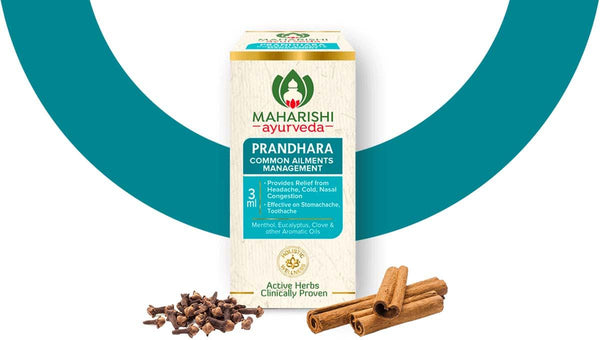
- Prandhara for local application
- Ghee on an empty stomach, which helps pacify (calm) Pitta
- Cold compresses on the forehead or neck
- Electrolyte-rich fluids
- Regular sleep and meal schedules
- Meditation or yoga
- Limiting screen time and avoiding harsh lighting
Magnesium and riboflavin (vitamin B2) are sometimes used for prevention, but check with a doctor before starting supplements.
Prandhara
An Ayurvedic herbal oil blend traditionally used for local application to support temporary relief from everyday discomfort.
Shop Now
What Is the Ayurvedic Approach to Migraine?
What Is Migraine Treatment in Ayurveda?
Migraine treatment in Ayurveda looks at the doshas, the three body energies: Vata, Pitta and Kapha. Symptoms differ by dosha:
- Vata: anxiety, depression, dry skin, constipation and extreme pain.
- Pitta: red complexion and eyes, light sensitivity, burning sensation, anger, irritability and nosebleeds. Liver and blood toxicity are often linked.
- Kapha: dull headache, heaviness, fatigue, nausea, white or clear phlegm, vomiting and excess salivation. Respiratory disorders are often linked.
For Ardhavabhedaka, Ayurveda advises medicated oils or ghee with Guduchi, Bala and Ashwagandha, along with fomentation (warm, moist therapy) and saturating snuff (medicated nasal drops). Long-term support includes Chyavanprash, Brahmi and Ashwagandha. Shirodhara is also considered beneficial.
Brahmi Tablets
An Ayurvedic herbal formulation traditionally used to support memory, focus, mental clarity, and stress management.
Shop Now
What Ayurvedic Approaches Are Commonly Used for Migraine?
Herbs
- Brahmi (Bacopa monnieri): helps calm the mind, reduce stress and improve cognitive (thinking) function.
- Jatamansi (Nardostachys jatamansi): has calming properties and is used for headaches and sleep problems. The powder or oil can be taken orally or applied to the scalp.
- Ashwagandha (Withania somnifera): an adaptogen (a herb that helps the body cope with stress). Capsules or powder can be taken daily.
Jatamansi Churna
A traditional Ayurvedic herbal powder used to support relaxation, emotional balance, and a calm daily routine.
Shop Now
Formulations
- Shirahshooladi Vajra Ras: commonly prescribed for headache and migraine relief. It helps balance Vata and Pitta and reduce inflammation.
- Godanti Bhasma: a traditional medicine made from gypsum, known to relieve headaches and migraines.
Godanti Bhasma
A traditional Ayurvedic mineral preparation used in formulations associated with calcium supplementation and wellness.
Shop Now
Diet and lifestyle
- Avoid Pitta-aggravating foods: spicy, sour, salty and fried foods, fermented items and caffeine.
- Choose cooling foods such as cucumber, leafy greens, coconut, coriander and fennel.
- Eat regular meals and stay hydrated.
- Practise Shavasana, Sukhasana and Anulom Vilom (alternate nostril breathing).
What Should You Know Before Using Ayurvedic Migraine Medicine?
Take any Ayurvedic migraine medicine under medical supervision, especially for frequent migraines.
Which Ayurvedic Products May Support Migraine and Headache Relief?
How Is Cow Ghee Traditionally Used in Ayurveda for Nourishment and Nervous System Support?
Ghee is Pitta-pacifying. Putting drops in the nostrils helps calm an agitated nervous system, and taking it internally also pacifies Pitta.
How May Prandhara Be Used for Temporary Headache and Migraine Relief?
Prandhara is applied locally. Essential oils such as eucalyptus help relieve pain, offering temporary headache and migraine relief.
What Is Godanti Bhasma Traditionally Used for in Ayurvedic Headache Care?
Godanti Bhasma is a traditional Ayurvedic medicine made from gypsum, known to relieve headaches and migraines.
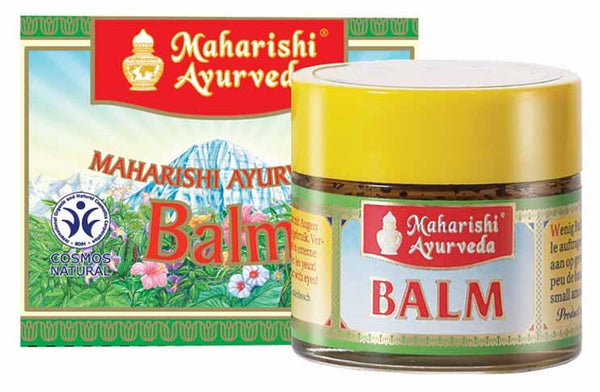
How May Pirant Balm Help With Head and Neck Discomfort During Migraine?
The oils in Pirant Balm help relieve muscle tension and stiffness in the head and neck.
Pirant Balm
An Ayurvedic balm for external application, traditionally used to provide temporary relief from everyday aches and discomfort.
Shop Now
Can Ayurvedic Products Be Used Alongside Conventional Migraine Treatment?
Ayurvedic products work to balance dosha imbalance and can be used alongside conventional treatment, with medical guidance.
What Should You Know Before Using Ayurvedic Products for Frequent Migraines?
Use them under medical supervision.
When Should You See a Doctor for a Migraine?
When Should Frequent or Severe Migraines Be Evaluated?
See a doctor if migraines are frequent, getting worse or not controlled by home measures. Prescription treatments and preventive options are available.
What Migraine Symptoms Require Urgent Medical Attention?
Seek urgent care for:
- A sudden, severe “worst headache of your life”
- Headache with fever and stiff neck
- Confusion, weakness or trouble speaking
- Vision loss
When Should You Seek Emergency Care for a Headache?
Seek emergency care for any headache that follows a head injury, or any of the warning signs above.
Read: Explore Top Ayurvedic Herbs for Stress Relief and Relaxation →
Popular Posts

What Is Metabolic Health and Why Does It Matter for Weight Management?
15 Oct, 2026Metabolic health refers to how effectively the body manages blood sugar, blood pressure, blood fa...
Read more
Low AMH: What It Means for Fertility
14 Oct, 2026A calm, clear guide for women who have just seen that number on a report. Meera was 32 when the l...
Read more
Varicose Veins Symptoms: Causes, Early Signs and Ayurvedic Management
05 Oct, 2026Varicose veins are enlarged, twisted veins that commonly appear on the legs, feet, and ankles, o...
Read moreRecommended Products


Reduces stress and anxiety, Strengthens the immune health, Certified by ECOCERT


100% Natural Brahmi powder, Helps improve concentration, Boosts memory, Rejuvenates the nervous system, Certified by ECOCERT


Relieves cold, headache, and nasal Congestion, Soothes respiratory allergies and sinusitis, Improves the strength of the mucous membrane


Purifies blood naturally, Detoxifies the system, Supports healthy and glowing skin, Improves digestion, Certified by ECOCERT