FILTERS
PCOS Weight Gain: Why It Happens and How to Manage It | Ayurveda View

PCOS can make weight management more challenging due to insulin resistance, hormonal changes, genetics and lifestyle factors. Ayurveda views this through Agni, Kapha and Meda Dhatu. Sustainable diet, activity and metabolic support are more useful than extreme weight-loss approaches, especially since not every woman with PCOS is overweight.
In May 2026, the international guideline adopted the name polyendocrine metabolic ovarian syndrome (PMOS) for the condition historically called PCOS. Since PCOS remains the term most people recognise and search for, this article uses PCOS throughout.
Read our guide to understand the key differences between PCOD and PCOS.--->
TL;DR – What Should You Know About PCOS Weight Gain?
- PCOS and Weight Gain Are Linked: PCOS and weight gain are closely associated, but not every woman with PCOS will develop overweight or obesity.
- Insulin Resistance Matters: Insulin resistance is an important metabolic feature of PCOS and can make weight management more complicated.
- Belly Fat and Bloating Are Different: PCOS belly fat usually refers to central abdominal fat, while bloating can temporarily enlarge the abdomen without meaning fat gain.
- No Single PCOS Diet Is Best: Healthy eating, physical activity, and behavioural strategies are recommended, but current guidelines do not recommend one special PCOS diet over all others.
- Ayurveda Looks at the Full Pattern: Ayurveda considers Agni, Kapha, Meda Dhatu, and daily routine, while broader metabolic risks like glucose, cholesterol, and blood pressure should also be assessed.
Does PCOS Cause Weight Gain?
PCOS is associated with weight gain and difficulty managing weight, but the relationship is more complicated than saying PCOS directly causes every case of weight gain.
Women with PCOS have higher rates of overweight and obesity, and current international guidelines recognise underlying mechanisms that may make long-term weight gain more likely. However, researchers are still working to understand all of the mechanisms involved.
Some women with PCOS remain within a lower or healthy weight range, while others develop excess weight.
PCOS can make weight management more challenging, but PCOS and obesity are not the same condition.
Factors that may contribute include:
- insulin resistance
- hormonal disturbances
- genetic predisposition
- appetite and eating patterns
- reduced activity
- sleep problems
- psychological stress
- the wider food and lifestyle environment
Explore how PCOS, PCOD, thyroid issues and diabetes can affect weight management.--->
Why Does PCOS Weight Gain Happen?
There is no single mechanism that explains PCOS and weight gain in every woman.
Several factors may interact.
How Does Insulin Resistance Affect PCOS Weight Gain?
Insulin helps move glucose from the bloodstream into cells where it can be used for energy.
With insulin resistance, cells respond less effectively to insulin. The body may compensate by producing more insulin.
Insulin resistance is considered an important pathophysiological feature of PCOS. It can occur in women across different weight ranges and may be worsened by excess weight.
This matters because insulin resistance is connected with broader metabolic health and an increased risk of type 2 diabetes.
Can Hormonal Changes Affect Weight in PCOS?
Yes.PCOS involves altered reproductive and metabolic hormone signalling, including higher androgen activity in many affected women.
These hormonal disturbances can affect:
- ovulation
- menstrual regularity
- hair growth
- acne
- metabolic health
PCOS is now recognised as a chronic metabolic as well as reproductive condition.
Weight gain itself can also worsen some metabolic and hormonal features of PCOS, creating a relationship that can work in both directions.
Can Sleep and Stress Make PCOS Weight Management Harder?
They can contribute.Poor sleep and chronic stress may affect appetite, food choices, physical activity and the ability to maintain consistent lifestyle habits.
Women with PCOS also experience higher rates of sleep disturbances and psychological difficulties than the general population, making these factors worth addressing as part of comprehensive management.
That is why a PCOS weight-management plan that focuses exclusively on calories while ignoring sleep, stress and routine is incomplete.
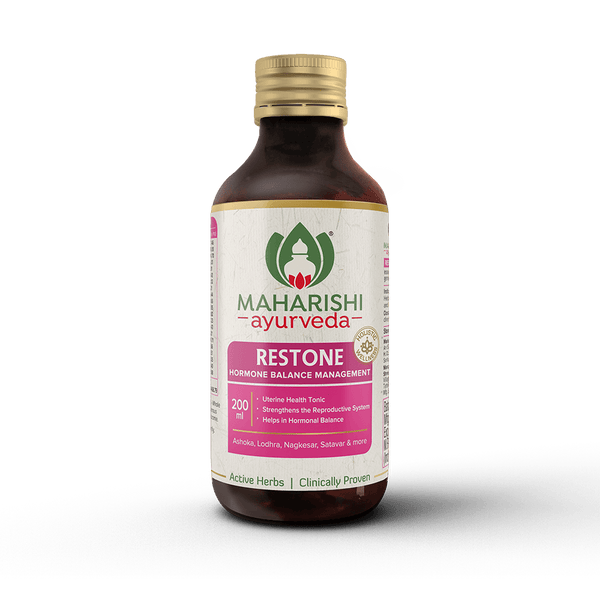
Restone Tablets: Ayurvedic Support for Menstrual Wellness
A traditional Ayurvedic formulation crafted to support menstrual comfort, balance, and women’s everyday wellness
Buy Now
What Is PCOS Belly Fat?
PCOS belly fat generally refers to increased fat stored around the abdominal or waist area.
This is sometimes called central adiposity.Where body fat is stored matters because abdominal fat is more closely associated with metabolic risks than fat stored primarily around the hips and thighs.
The international PCOS guideline therefore considers measures such as:
- waist circumference
- waist-to-hip ratio
- overall metabolic health
alongside body weight itself.Not every woman with PCOS develops increased abdominal fat, and having abdominal fat alone does not diagnose PCOS.
Why Can Belly Fat Matter in PCOS?
Central adiposity can be associated with:
- insulin resistance
- abnormal blood glucose
- cholesterol abnormalities
- increased cardiometabolic risk
This is why improving waist circumference and metabolic health may still be meaningful even when the number on the weighing scale changes only modestly.
Is PCOS Bloating the Same as PCOS Belly Fat?
No.PCOS bloating and PCOS belly fat are different.
|
PCOS Bloating |
PCOS Belly Fat |
|
Often fluctuates during the day |
Changes more gradually |
|
May make the abdomen feel tight or full |
Represents adipose tissue around the abdomen |
|
Can be influenced by digestion, constipation or meals |
Associated with overall body-fat distribution |
|
May improve after passing stool or gas |
Does not disappear after digestion improves |
|
Can occur even without weight gain |
Often accompanies changes in waist circumference |
Bloating is not a defining diagnostic symptom of PCOS, and persistent bloating should not automatically be blamed on hormones.
Possible contributors can include:
- constipation
- gas
- dietary triggers
- digestive conditions
- menstrual-cycle changes
- certain medications
If bloating is persistent, severe, new or accompanied by pain, abnormal bleeding, vomiting or unexplained weight loss, medical evaluation is appropriate.
What Is the Connection Between PCOS and Obesity?
PCOS and obesity frequently occur together, but they are not the same condition. Women with PCOS may have a higher risk of excess weight and metabolic complications, while excess body weight can further worsen insulin resistance and some hormonal and reproductive features of PCOS. This can create a cycle in which metabolic changes make weight management more difficult, increased abdominal fat contributes to greater insulin resistance, and metabolic health becomes harder to manage. However, not every woman with obesity has PCOS, and not every woman with PCOS is overweight. Some women have what is often called lean PCOS, meaning they meet the diagnostic criteria for PCOS without having overweight or obesity. For these women, weight loss should not automatically be the goal. The focus should instead be on maintaining a healthy lifestyle, supporting metabolic health, and preventing unnecessary weight gain.
Why Can Losing Weight With PCOS Feel Difficult?
Many women searching “how to lose weight with PCOS” feel they are doing something wrong when progress is slower than expected.
PCOS can involve metabolic, hormonal, psychological and lifestyle factors that make weight management more complex.
Potential barriers include:
- insulin resistance
- increased appetite or food cravings in some individuals
- disrupted sleep
- stress
- low energy
- depression or anxiety
- inconsistent menstrual cycles
- unsustainable restrictive diets
- difficulty maintaining long-term lifestyle changes
There is also a major psychological problem: weight stigma.
The international guideline specifically warns healthcare professionals that women with PCOS frequently experience weight stigma and that this can negatively affect psychological and physical wellbeing.
A useful weight-management strategy therefore needs to be:
- realistic
- sustainable
- nutritionally adequate
- individualised
- supportive rather than punitive
How Can You Lose Weight With PCOS Safely?
There is no single diet, herb or exercise programme that works for every woman with PCOS.
The strongest evidence supports sustainable lifestyle management rather than extreme PCOS-specific rules.
International guidelines recommend healthy eating, regular physical activity and behavioural strategies for women with PCOS to improve metabolic health, body composition and weight management.
Is There a Best Diet for PCOS Weight Loss?
No single dietary composition has been proven superior for all women with PCOS.
The latest international guideline specifically states that there is no evidence supporting one particular diet composition over another for weight, metabolic, hormonal, reproductive or psychological outcomes.
That means you do not automatically need:
- keto
- very low carbohydrate
- gluten-free
- dairy-free
- intermittent fasting
- a “hormone detox”
- an extreme calorie-restricted diet
simply because you have PCOS.
- A better foundation is:
- adequate vegetables
- whole foods
- appropriate protein
- high-fibre foods
- minimally processed carbohydrates
- healthy fats
- sensible portions
- regular meals where appropriate
- a pattern you can realistically maintain
The right diet should also consider Indian food preferences, cultural patterns, activity level, metabolic health and individual nutritional needs.
How Much Weight Do You Need to Lose With PCOS?
There is no universal number.
For women with higher weight, even modest weight management can improve metabolic and reproductive outcomes, but healthy lifestyle changes have benefits even when weight loss does not occur.
Better outcomes may include:
- preventing further weight gain
- reducing waist circumference
- improving fitness
- improving glucose regulation
- improving cholesterol
- better sleep
- greater energy
- improved menstrual health
What Type of Exercise Is Best for PCOS?
There is no single exercise type that every woman with PCOS must perform.
Current guidelines find insufficient evidence that one particular type or intensity of exercise is universally superior. Sustainable physical activity that aligns with general population recommendations and individual preferences is encouraged.
A balanced routine may combine:
- walking
- aerobic activity
- strength training
- yoga
- cycling
- swimming
- other enjoyable movement
The best programme is usually the one you can continue consistently.
What Does Ayurveda Say About PCOS Weight Gain?
Ayurveda does not describe modern PCOS using the exact same diagnostic framework used today.
However, an Ayurvedic practitioner may interpret different PCOS symptoms through disturbances involving:
- Kapha
- Vata, particularly Apana Vata
- Agni, or digestive/metabolic function
- Meda Dhatu, associated with adipose tissue
- Artava, associated with female reproductive function
- Srotas, or physiological channels
These concepts are part of the traditional Ayurvedic framework and should not be presented as substitutes for modern explanations such as insulin resistance or androgen excess.
Check out our guide to managing PCOS and PCOD symptoms with Ayurveda.--->
How Can Kapha Be Relevant to PCOS Weight Gain?
Kapha is traditionally associated with structure, stability and heaviness.
When Kapha qualities become excessive, an Ayurvedic practitioner may consider symptoms such as:
- heaviness
- sluggishness
- reduced activity
- easier weight accumulation
- excessive sleepiness
- The aim is not simply to “eliminate Kapha.”
Ayurveda instead focuses on restoring an appropriate balance through diet, routine, movement and individualised care.
How Does Ayurveda View Agni in PCOS?
Agni refers broadly to digestive and metabolic functioning in Ayurveda.
When digestion feels sluggish, a person may report:
- heaviness after eating
- bloating
- irregular appetite
- lethargy
- sluggish bowel movements
Ayurvedic management therefore often looks closely at:
- meal timing
- food quantity
- digestion
- bowel habits
- daily activity
This is a traditional framework rather than a medical measure of metabolic rate.
What Is the Role of Meda Dhatu?
Meda Dhatu is the Ayurvedic tissue concept associated with body fat and lubrication.
In an Ayurvedic assessment of excessive weight gain, practitioners may consider whether Meda metabolism appears disturbed.
Again, this should not be confused directly with modern measurements such as BMI, visceral fat or blood lipids.
The frameworks describe health differently.
What Ayurvedic Diet Principles May Support PCOS Weight Management?
Ayurveda usually individualises dietary recommendations rather than prescribing one universal PCOS diet.
General principles may include:
- eating at consistent times
- avoiding habitual overeating
- preferring freshly prepared meals
- reducing excessive highly processed foods
- avoiding very heavy late-night meals
- selecting foods according to digestion and constitution
- eating mindfully rather than while distracted
For individuals with prominent Kapha-like heaviness, a Vaidya may recommend lighter and warming dietary patterns.However, women with PCOS should avoid extreme dietary restriction simply in the name of “balancing Kapha.”Adequate nutrition remains essential.
Can Ayurvedic Herbs Help With PCOS Weight Gain?
Ayurvedic formulations and herbs may traditionally be selected according to the individual's symptoms, constitution and overall metabolic and reproductive pattern.
However, there is no single Ayurvedic herb that should be presented as a proven treatment for PCOS obesity or PCOS weight gain.
Self-prescribing multiple herbs can also be problematic, particularly when a woman is:
- taking diabetes medicines
- using hormonal medication
- undergoing fertility treatment
- pregnant or trying to conceive
- managing thyroid disease
- living with another medical condition
If Ayurvedic treatment is being considered, it should ideally be individualised by a qualified practitioner.
Read our Ayurvedic guide to PCOS symptoms, causes and management.--->
Can Stress Management Help With PCOS and Weight Gain?
Yes, particularly as part of a broader lifestyle strategy.
Stress does not single-handedly cause PCOS, but chronic psychological strain can affect:
- sleep
- eating habits
- physical activity
- motivation
- quality of life
Women with PCOS also experience elevated rates of anxiety, depression and body-image concerns.
Useful practices may include:
- meditation
- yoga
- breathing practices
- regular physical activity
- adequate sleep
- reducing excessive work or screen stimulation
- professional mental-health support when required
Ayurveda places particular emphasis on maintaining a regular daily routine (Dinacharya) to support physical and mental balance.
What Health Checks May Be Important if You Have PCOS and Weight Gain?
PCOS is not only a reproductive condition.
It is associated with increased risk of metabolic problems including:
- insulin resistance
- type 2 diabetes
- abnormal cholesterol
- high blood pressure
- obesity
The World Health Organization describes PCOS as a chronic metabolic condition and recommends appropriate metabolic and cardiovascular assessment.
Depending on your individual situation, your doctor may evaluate:
- blood glucose
- glucose tolerance
- cholesterol and triglycerides
- blood pressure
- weight and waist circumference
- menstrual history
- symptoms of sleep apnoea
- other hormonal conditions
Do not assume that every difficulty with weight is “just PCOS.”
Other conditions, medications and lifestyle factors may also contribute.
When Should You See a Doctor About PCOS Weight Gain?
Seek professional medical advice if you experience:
- rapid or unexplained weight gain
- very irregular or absent periods
- excessive facial or body hair
- significant scalp hair loss
- persistent acne
- darkened skin around the neck or other folds
- difficulty becoming pregnant
- symptoms of high blood sugar
- severe or persistent abdominal bloating
- significant depression or anxiety
PCOS should be properly diagnosed rather than self-diagnosed based solely on weight gain.Several conditions can produce overlapping hormonal or menstrual symptoms.
What Is the Key Takeaway About PCOS and Weight Gain?
PCOS weight gain is not simply a willpower problem, and it is not solved by one miracle diet or herb.
PCOS is a complex reproductive and metabolic condition in which insulin resistance, hormonal changes, body composition, lifestyle and other factors can interact.
For some women, weight loss may be beneficial. For others, the more appropriate goals may be preventing further weight gain, reducing abdominal adiposity, improving metabolic health or simply building sustainable healthy habits.
Ayurveda contributes a complementary perspective by looking at digestion, Kapha, Agni, Meda Dhatu, daily routine and individual constitution.
The strongest approach combines that personalised perspective with evidence-based nutrition, physical activity, metabolic assessment and appropriate medical care.
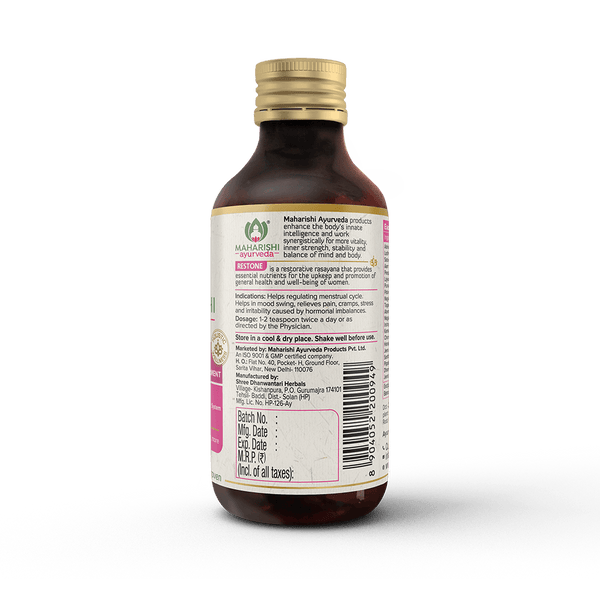
Restone Syrup: Ayurvedic Support for Healthy Periods
A traditional Ayurvedic syrup crafted to support menstrual comfort, cycle balance, and women’s everyday wellness
Buy Now
Popular Posts

Types of Headaches: Types, Causes, Symptoms and Relief Options
22 Oct, 2026You might consider a headache at the end of a long day when fatigue is felt. However, if pain com...
Read more
Home Remedies for Migraine: Simple Remedies and When to See a Doctor
16 Oct, 2026Migraine is more than an ordinary headache that strikes at the worst time. People are eager to fi...
Read more
What Is Metabolic Health and Why Does It Matter for Weight Management?
15 Oct, 2026Metabolic health refers to how effectively the body manages blood sugar, blood pressure, blood fa...
Read moreRecommended Products


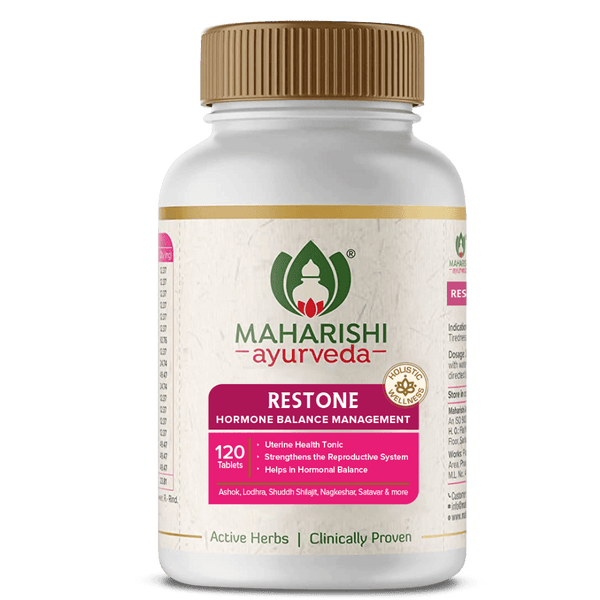
Improves menstrual health, Regularizes delayed periods, Balances hormones, Non-hormonal, 100% Safe