FILTERS
10 Signs of an Unhealthy Gut and What They May Mean

Signs of an unhealthy gut can include frequent bloating, troublesome gas, abdominal discomfort, acidity, constipation, diarrhoea, nausea and persistent changes in bowel habits. An occasional digestive symptom is common, but symptoms that keep returning, worsen or interfere with daily life deserve attention. Ayurveda traditionally assesses these patterns through Agni, dosha balance and digestion.
TL;DR – What Are the Signs of an Unhealthy Gut?
- “Unhealthy Gut” Is Not a Diagnosis: The phrase is commonly used online, but it does not refer to one specific medical condition.
- Digestive Symptoms Matter When Frequent: Bloating, gas, abdominal discomfort, acidity, heaviness after meals, nausea, or belching may need attention if they happen often.
- Bowel Changes Should Be Noticed: Constipation, frequent loose stools, diarrhoea, or persistent changes in bowel habits can indicate that digestion needs closer evaluation.
- Red Flags Need Medical Care: Unexplained weight loss, loss of appetite, persistent pain, or worsening symptoms should not be ignored.
- Severity and Pattern Are Important: Occasional gas or indigestion can be normal, but symptoms that are frequent, troubling, or interfere with daily life deserve proper assessment.
1. Is Frequent Bloating a Sign of Poor Gut Health?
Bloating is a feeling of fullness or swelling in the abdomen.
It may happen occasionally after eating, but repeated or uncomfortable bloating can accompany several digestive problems.
Possible causes include:
- swallowing excess air
- certain carbohydrates
- constipation
- food intolerances
- functional digestive disorders
- irritable bowel syndrome
- indigestion
Only around half of people who feel bloated also have visible abdominal distension, so feeling bloated does not necessarily mean your stomach has physically enlarged.
From an Ayurvedic perspective, recurrent bloating and irregular digestion may be associated with disturbed Vata and Vishama Agni, or irregular digestive capacity.
Dizomap: Ayurvedic Support for Balance & Comfort
A traditional Ayurvedic formulation crafted to support daily balance, comfort, and everyday wellness
Buy Now
2. When Does Gas Become a Digestive Issue?
Passing gas is normal.The digestive tract naturally produces gas when intestinal bacteria break down carbohydrates that were not completely digested earlier in the digestive system.
Gas becomes more relevant when it:
- occurs very frequently
- becomes painful
- causes significant bloating
- suddenly changes
- occurs with diarrhoea or constipation
- interferes with normal activities
Eating quickly, drinking carbonated drinks and swallowing excess air can also increase gas.
Check out Common digestive problems ,solutions and more--->
3. What Does Recurrent Abdominal Pain or Discomfort Mean?
Persistent abdominal pain should not simply be labelled “poor gut health.”Abdominal discomfort can arise from many causes.
Functional digestive conditions such as IBS can involve recurring abdominal pain together with changes in bowel movements. IBS is now classified as a disorder of gut-brain interaction.
Other causes can range from indigestion and constipation to infections or other gastrointestinal conditions.
Seek medical assessment if pain is:
- severe
- persistent
- worsening
- associated with fever
- accompanied by vomiting
- accompanied by blood in the stool
- associated with unexplained weight loss
4. Is Frequent Acidity or Heartburn a Gut Health Warning Sign?
Occasional acid reflux is common.Repeated heartburn, regurgitation or a burning sensation behind the breastbone may indicate gastroesophageal reflux disease, or GERD, particularly when symptoms become persistent or troublesome.
Common reflux symptoms include:
- heartburn
- sour or acidic taste in the mouth
- regurgitation
- nausea
- difficulty swallowing in some cases
Ayurveda may traditionally interpret burning digestion and acidity through a Pitta-dominant digestive pattern, sometimes described in relation to Tikshna Agni.
That traditional interpretation should not replace evaluation for persistent GERD.
Is acidity troubling You ?Check out ayurvedic remedies for acidity---->
5. Why Do You Feel Full or Heavy After Eating?
Feeling extremely full after a normal meal can be a symptom of indigestion.
NIDDK describes dyspepsia symptoms as including:
- feeling full too soon while eating
- feeling uncomfortably full after eating
- upper abdominal discomfort
- bloating
- nausea
- belching
Occasional heaviness after an unusually large meal is different from feeling uncomfortable after normal portions repeatedly.
Ayurveda traditionally associates recurrent heaviness, low appetite and sluggish digestion with Mandagni, or weak digestive capacity, often discussed alongside Kapha qualities.
6. Is Constipation a Sign of Poor Gut Health?
Constipation is one of the clearest digestive symptoms.
It may involve:
- fewer than three bowel movements per week
- hard or dry stools
- difficulty passing stools
- painful bowel movements
- feeling that the bowel has not completely emptied
Not everybody needs to have a bowel movement at exactly the same frequency, so changes from your own normal pattern also matter.
Constipation can be related to:
- inadequate fibre
- inadequate fluid intake
- low physical activity
- medicines
- changes in routine
- IBS
- certain metabolic or hormonal conditions
Ayurveda commonly associates dry, hard or irregular bowel movements with Vata imbalance.
Triphala for constipation---->
7. Are Frequent Loose Stools or Diarrhoea a Gut Health Symptom?
Yes.Diarrhoea generally involves loose or watery stools occurring three or more times a day, or more frequently than is normal for you.
Other symptoms can include:
- urgency
- abdominal cramps
- nausea
- loss of bowel control
- dehydration
Short-term diarrhoea can occur due to infections or food-related causes.Persistent or recurring diarrhoea can have many explanations, including:
- food intolerances
- IBS
- inflammatory bowel disease
- coeliac disease
- infections
- medication effects
Chronic diarrhoea should not simply be treated with a generic “gut cleanse.”
8. What Do Frequent Nausea and Belching Mean?
Nausea and belching can be part of indigestion.NIDDK includes both among recognised symptoms of dyspepsia, together with bloating, upper abdominal discomfort and uncomfortable fullness after meals.
Occasional burping is normal.However, frequent belching accompanied by:
- pain
- persistent nausea
- severe bloating
- vomiting
- difficulty swallowing
.Eating and drinking quickly can also increase the amount of air swallowed and contribute to belching.
9. Should Changes in Your Bowel Habits Be Taken Seriously?
A persistent change from your normal bowel pattern can be important.
Examples include:
- suddenly becoming constipated
- recurrent loose stools
- alternating constipation and diarrhoea
- persistent urgency
- feeling unable to empty the bowel completely
IBS, for example, can involve repeated abdominal pain alongside constipation, diarrhoea or both.
A new and persistent bowel change should not automatically be attributed to stress, food or a dosha imbalance without considering other causes.
10. Is Unexplained Weight Loss a Sign You Should Not Ignore?
Unintentional weight loss is different from ordinary digestive discomfort.
It is a warning sign that deserves medical attention, particularly when it occurs alongside:
- persistent diarrhoea
- abdominal pain
- vomiting
- difficulty swallowing
- loss of appetite
- blood in the stool
NIDDK specifically lists unexplained weight loss among symptoms requiring medical assessment in several gastrointestinal conditions.
Do not try to correct unexplained weight loss only with herbs, probiotics or dietary supplements before determining the cause.
Which Poor Gut Health Symptoms Commonly Occur Together?
These symptoms do not all have the same cause.
|
Digestive symptom |
What it may look like |
|
Bloating |
Fullness, pressure or abdominal swelling |
|
Gas |
Frequent burping or flatulence |
|
Indigestion |
Upper abdominal discomfort or burning |
|
Early fullness |
Feeling full after eating only a small amount |
|
Reflux |
Heartburn or regurgitation |
|
Constipation |
Hard stools, straining or incomplete evacuation |
|
Diarrhoea |
Frequent loose or watery stools |
|
Nausea |
Feeling sick or wanting to vomit |
|
Abdominal discomfort |
Cramping, pain or tenderness |
That is why “improving gut health” should begin by identifying the actual digestive pattern rather than treating every symptom identically.
Are Brain Fog, Sugar Cravings and Skin Problems Signs of an Unhealthy Gut?
These symptoms are often included in online lists of “bad gut health symptoms,” but they are not specific enough to diagnose a digestive problem on their own.
Fatigue, poor concentration, sugar cravings and skin changes can occur for many reasons.
They may be influenced by:
- sleep
- diet
- stress
- medicines
- nutritional deficiencies
- hormonal conditions
- metabolic conditions
- gastrointestinal disorders
The gut and brain do communicate closely. Disorders such as IBS are formally recognised as disorders of gut-brain interaction, meaning signals between the digestive system and nervous system can influence symptoms.
But brain fog or cravings alone should not be treated as proof that your gut microbiome is “unhealthy.”
What Does Ayurveda Say About Poor Gut Health?
Ayurveda places digestion at the centre of many aspects of health.
The existing Ayurvedic framework on this page appropriately focuses on Agni, Ama and digestive herbs.
What Is Agni?
Agni is the Ayurvedic concept associated with digestive and metabolic capacity.Balanced digestion is traditionally described as Samagni.
Other patterns include:
|
Ayurvedic Agni pattern |
Traditional characteristics |
|
Samagni |
Balanced appetite and comfortable digestion |
|
Vishama Agni |
Irregular appetite, gas, bloating or constipation |
|
Tikshna Agni |
Strong hunger, burning or acidity |
|
Mandagni |
Slow digestion, heaviness and low appetite |
These are traditional Ayurvedic classifications rather than modern medical diagnoses.
What Is Ama in Ayurveda?
Ama is traditionally described as a product of incomplete digestion or metabolic processing.
Ayurvedic texts associate Ama with qualities such as:
- heaviness
- stickiness
- sluggishness
- coating
- obstruction
Ama is an Ayurvedic concept and should not be equated directly with scientifically defined toxins circulating in the body.
This distinction is important when discussing Ayurvedic “detox” or cleansing practices.
How Do Vata, Pitta and Kapha Relate to Digestion?
Ayurveda traditionally links different digestive patterns with the doshas.
Vata-Dominant Digestive Pattern
May traditionally include:
- gas
- bloating
- irregular appetite
- constipation
- dryness
Pitta-Dominant Digestive Pattern
May traditionally include:
- burning
- acidity
- strong appetite
- heat
- loose stools in some cases
Kapha-Dominant Digestive Pattern
May traditionally include:
- sluggish digestion
- heaviness
- low appetite
- prolonged fullness
A person can experience overlapping patterns, which is why Ayurveda traditionally individualises recommendations.
How Can You Improve Gut Health Naturally?
Start with the basics rather than immediately adding multiple supplements.
Eat Enough Fibre
Fibre supports bowel health and is particularly relevant for constipation.
NIDDK recommends adults consume roughly 22–34 grams of fibre daily, depending on age and sex. Fibre should be increased gradually because suddenly increasing intake can worsen gas and bloating in some people.
Useful sources include:
- vegetables
- fruits
- whole grains
- pulses and legumes
- nuts and seeds
Stay Adequately Hydrated
Adequate fluid helps fibre work effectively and helps keep stools softer.Hydration needs vary according to body size, climate, health and physical activity.
Eat More Slowly
Eating quickly can increase swallowed air, which may contribute to belching and gas.
Take enough time to:
- chew food properly
- avoid rushing meals
- notice fullness
- reduce excessive air swallowing
- Keep Meal Timing Consistent
Regular meal patterns can make it easier to observe which foods and habits trigger symptoms.
Ayurveda also traditionally values regularity in eating as part of maintaining balanced Agni.
Stay Physically Active
Regular physical activity can support bowel regularity and is included among NIDDK's recommendations for preventing or relieving constipation.
Pay Attention to Stress
The relationship between stress and digestive symptoms is not imaginary.
Modern medicine recognises disorders of gut-brain interaction, in which communication between the digestive system and nervous system influences symptoms such as abdominal pain and altered bowel habits.
Useful habits may include:
- adequate sleep
- regular physical activity
- slow breathing
- relaxed meal times
- stress-management practices
Which Ayurvedic Herbs Are Traditionally Used for Digestion?
The existing article appropriately includes ginger, fennel, Amla, Triphala, cumin and coriander as traditional digestive ingredients.
How Is Ginger Used for Digestion?
Ginger is traditionally described in Ayurveda as possessing Deepana and Pachana qualities associated with supporting appetite and digestion.
It is commonly used when there is:
- digestive heaviness
- low appetite
- mild bloating
- nausea
Ginger does not suit everybody. Strong ginger preparations may aggravate heartburn or digestive burning in some people.
How Is Fennel Used?
Fennel is widely used after meals in Indian food traditions.
Ayurveda commonly incorporates it into gentler digestive infusions, particularly when gas or post-meal heaviness is present.
How Are Cumin and Coriander Used?
Cumin and coriander are common culinary spices that can easily be incorporated into everyday meals.
They are also frequently combined with fennel in digestive herbal infusions.
How Is Amla Used?
Amla or Amalaki is traditionally classified as a Rasayana and is commonly included in Ayurvedic digestive and rejuvenative formulations.
It is often considered particularly useful when digestive support needs to remain gentler rather than strongly heating.
How Is Triphala Used for Gut Health?
Triphala is a traditional Ayurvedic combination of:
- Amalaki
- Haritaki
- Bibhitaki
It is particularly associated with bowel and digestive support.
Triphala should not be treated as a universal solution to every symptom of poor gut health. Persistent diarrhoea, abdominal pain, unexplained weight loss or bleeding require assessment before starting self-directed herbal treatment.
Triphala Powder
Maharishi Ayurveda Triphala Powder combines the traditional three-fruit formulation for everyday digestive and bowel wellness.
Triphala Powder: Ayurvedic Support for Digestion & Gut Balance
A traditional Ayurvedic blend of three fruits crafted to support digestion, bowel regularity, and everyday gut wellness
Buy Now
What Foods Can Make Digestive Issues Worse?
There is no universal list of foods that is “bad for the gut.”
Different people react differently depending on the underlying problem.
Possible triggers may include:
- very large meals
- heavily fried meals
- excessive alcohol
- carbonated drinks
- foods that trigger personal intolerances
- very spicy foods in people prone to reflux
- large amounts of highly processed, low-fibre foods
If symptoms repeatedly occur after particular foods, keeping a simple food-and-symptom diary can help identify patterns.
Do not unnecessarily eliminate large groups of foods without a clear reason.
When Should You See a Doctor About Gut Health Symptoms?
Seek medical advice when digestive symptoms:
- persist despite basic self-care
- repeatedly interfere with normal life
- change suddenly
- are becoming progressively worse
Seek more urgent assessment if symptoms include:
- blood in the stool
- black, tarry stools
- persistent vomiting
- difficulty or pain while swallowing
- severe or constant abdominal pain
- unexplained weight loss
- fever with significant digestive symptoms
- inability to pass stool or gas
- signs of dehydration
These can indicate problems that should not be managed only with dietary changes or Ayurvedic remedies.
Consult Ayurvedic Vaidya ---->
What Is the Key Takeaway About an Unhealthy Gut?
The most useful signs of an unhealthy gut are persistent digestive symptoms not vague wellness symptoms alone.
Pay attention to recurring:
- bloating
- troublesome gas
- abdominal discomfort
- acidity
- unusual post-meal fullness
- constipation
- diarrhoea
- nausea
- bowel-pattern changes
Symptoms that persist or worsen deserve proper assessment.
Ayurveda adds a traditional personalised framework through Agni, Vata, Pitta, Kapha and herbs used for digestive support. These practices can complement a foundation of appropriate nutrition, hydration, activity and medical care when required.
Looking to support your digestive routine with Ayurveda? Explore Maharishi Ayurveda's digestive wellness range and traditional formulations selected for different digestive needs.
Gut Care: Ayurvedic Support for Digestion & Balance
Explore traditional Ayurvedic formulations crafted to support digestion, gut comfort, and everyday wellness balance
Shop Now
Popular Posts

Home Remedies for Migraine: Simple Remedies and When to See a Doctor
16 Oct, 2026Migraine is more than an ordinary headache that strikes at the worst time. People are eager to fi...
Read more
What Is Metabolic Health and Why Does It Matter for Weight Management?
15 Oct, 2026Metabolic health refers to how effectively the body manages blood sugar, blood pressure, blood fa...
Read more
Low AMH: What It Means for Fertility
14 Oct, 2026A calm, clear guide for women who have just seen that number on a report. Meera was 32 when the l...
Read moreRecommended Products


Enhances Digestion & Relieves Constipation


Purifies blood naturally, Detoxifies the system, Supports healthy and glowing skin, Improves digestion, Certified by ECOCERT

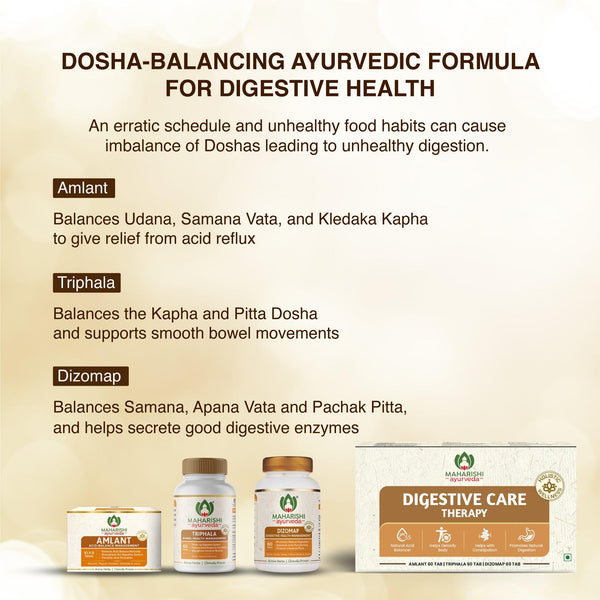

Supports overall digestive health, Manages acidity, constipation, indigestion, and other digestive issues, Detoxifies the body