FILTERS
Moong Dal Khichdi With Ghee: A Simple Indian Comfort Food Recipe

Moong dal khichdi with ghee is a traditional Indian one-pot dish prepared using split yellow moong dal, rice, water and mild spices. The ingredients are cooked until soft, then finished with aromatic ghee. This comforting meal can be made on the stovetop, in a pressure cooker or in an Instant Pot, with vegetables added for variety.
Few Indian dishes feel as comforting as a warm bowl of moong dal khichdi topped with a little ghee. Simple, flavourful and easy to prepare, khichdi has been part of everyday Indian meals for generations.
Whether you need a quick lunch, a light dinner or a familiar homemade meal after a busy day, moong dal khichdi is a versatile choice. Its appeal lies in the combination of soft rice, cooked lentils, mild spices and the rich aroma of ghee.
The preparation is also easy to customise. You can include seasonal vegetables, adjust the consistency or experiment with different grains. This guide explains how to make moong dal khichdi with ghee, including ingredient measurements, cooking methods, variations and practical tips.
TL;DR – Moong Dal Khichdi With Ghee: Easy Homemade Recipe
- Simple Traditional Ingredients: Moong dal khichdi combines split yellow moong dal, rice, water, mild spices and ghee to create a comforting one-pot Indian meal.
- Easy to Prepare: You can make khichdi on the stovetop, in a pressure cooker or using an Instant Pot, depending on your available time and preference.
- Use a Balanced Dal-to-Rice Ratio: A 1:1 ratio creates a soft, balanced consistency, while adjusting the proportions changes the texture.
- Ghee Enhances Aroma and Flavour: Ghee can be used for tempering cumin and spices or added before serving for a rich, buttery aroma.
- Customise With Vegetables and Grains: Add carrots, peas, beans or spinach, or experiment with millet to create different khichdi variations.
- Serve and Store Properly: Enjoy khichdi with curd, raita, pickle or vegetables. Refrigerate leftovers promptly and reheat thoroughly with a little water.
What Is Moong Dal Khichdi?
Moong dal khichdi is a traditional Indian dish made by cooking rice and split yellow moong dal together.
Turmeric, cumin, salt and optional vegetables provide flavour, while water determines whether the final dish is thick or porridge-like.
Why Is Khichdi Popular in Indian Homes?
Khichdi requires relatively few ingredients and can be prepared in one pot. It is familiar across many Indian regions, although recipes and spice combinations vary. Its soft consistency also makes it convenient for people who prefer simple, easily manageable meals.
What Makes Ghee a Traditional Addition?
Ghee adds a characteristic buttery aroma and a smooth mouthfeel. It can be used for tempering spices or added just before serving. A modest finishing quantity often provides noticeable flavour without requiring excessive fat.
Moong Dal Khichdi Ingredients
Preparation time: 10 minutes
Cooking time: 20–30 minutes, depending on method
Servings: 2–3
Ingredients
- ½ cup split yellow moong dal
- ½ cup white rice, preferably sona masoori or short-grain rice
- 3 cups water, adjusted as needed
- 1 tablespoon ghee for cooking
- ½ teaspoon turmeric powder
- 1 teaspoon cumin seeds
- Salt to taste
- 1 small carrot, finely chopped (optional)
- ½ cup green peas (optional)
- ½ teaspoon grated ginger (optional)
- Fresh coriander for garnish
- Additional ghee for finishing, if desired
Recommended finishing ingredient: Maharishi Ayurveda Organic Cow Ghee.
What Is the Best Moong Dal-to-Rice Ratio?
The ratio affects the khichdi's final texture.
|
Dal-to-rice ratio |
Expected consistency |
|
1:1 |
Balanced, soft and spoonable |
|
1.5:1 |
More lentil-forward and creamy |
|
1:2 |
More rice-forward and grainy |
For a classic homemade preparation, a 1:1 ratio works well.
Increase the amount of moong dal if you prefer a creamier texture or a greater proportion of lentils.
Water requirements vary depending on the grains and cooking equipment.
How to Make Moong Dal Khichdi on the Stovetop
This method is suitable when you want greater control over texture.
Step 1: Rinse the Dal and Rice
Place the moong dal and rice in separate bowls.
Rinse thoroughly with clean water to remove loose starch and surface particles.
Soaking for 15–30 minutes is optional but may shorten cooking time.
Step 2: Prepare the Tempering
Heat one tablespoon of ghee in a heavy-bottomed pan over medium-low heat.
Add cumin seeds and let them sizzle until aromatic.
Add grated ginger if using, and stir briefly without burning.
Step 3: Add the Main Ingredients
Add the rinsed rice, moong dal, turmeric and salt.
Stir gently to combine them with the spices.
Add chopped vegetables at this stage if desired.
Step 4: Add Water and Cook
Pour in approximately three cups of water.
Bring the mixture to a gentle boil, then reduce the heat.
Cover partially and simmer for around 20–30 minutes, stirring occasionally.
Add hot water if the mixture becomes too thick before the grains are fully cooked.
Step 5: Adjust the Texture
Once the rice and dal are soft, mash lightly with a ladle for a creamier consistency.
Taste and adjust the seasoning.
Step 6: Finish With Ghee
Transfer the khichdi to serving bowls.
Add a small amount of warm ghee and garnish with freshly chopped coriander.
Serve immediately.
How to Make Moong Dal Khichdi in a Pressure Cooker
A stovetop pressure cooker is convenient for preparing khichdi quickly.
- Rinse the rice and moong dal.
- Heat ghee in the cooker and temper the cumin seeds.
- Add turmeric, rice, dal, optional vegetables and water.
- Close the lid and cook according to the cooker's instructions, commonly around two whistles for this quantity.
- Turn off the heat and allow the pressure to release safely.
- Open, stir and adjust consistency with hot water if needed.
Whistle counts vary between cookers, so follow the manufacturer's safety instructions.
How to Make Moong Dal Khichdi in an Instant Pot
An electric pressure cooker provides a convenient hands-off option.
Use the Sauté setting to warm the ghee and temper the cumin seeds.
Add the rinsed rice, dal, spices and water.
Secure the lid and select High Pressure for approximately 6–8 minutes.
Allow around 10 minutes of natural pressure release before following the appliance's instructions to release remaining pressure.
Stir well and add water if needed.
Why Is Ghee Added to Moong Dal Khichdi?
Ghee is traditionally used in Indian cooking for its aroma, flavour and characteristic texture.
Ghee for Tempering
When heated gently, ghee helps release the aromatic compounds of cumin, ginger and other spices. The finished tempering can be mixed into khichdi or poured over it before serving.
Ghee for Finishing
A small drizzle of ghee over hot khichdi adds richness and a glossy appearance. Finishing after cooking also helps preserve the freshly melted ghee's aroma.
How Much Ghee Should You Use?
A measured teaspoon per serving is one practical culinary option, although the appropriate amount depends on dietary needs. Ghee contains substantial saturated fat, so moderation remains important.
Why Choose Maharishi Ayurveda Organic Cow Ghee for Khichdi?
The final spoonful of ghee can make a noticeable difference to the aroma and flavour of homemade khichdi.
Maharishi Ayurveda Organic Cow Ghee is an option for people who enjoy traditional Indian dairy foods and appreciate the taste of cow ghee.
What Makes This Product Distinctive?
According to Maharishi Ayurveda India, its Organic Cow Ghee is:
- Made from milk sourced from organically fed cows
- Known for its natural aroma and rich taste
- Prepared without added colour or flavour
- Intended for cooking, sautéing and traditional food preparations
The manufacturer also provides quality-related information about the product.
These characteristics describe its sourcing and culinary appeal rather than proven medical benefits.
How Can You Use It in Khichdi?
Add a small measured quantity while tempering cumin seeds. Alternatively, use it as a finishing ingredient after the khichdi has cooked. The warm rice and lentils complement its rich dairy aroma.
Where Can You Buy Maharishi Ayurveda Organic Cow Ghee?
Explore the official product page to review ingredients, sourcing information, current packaging and available sizes.
Discover Maharishi Ayurveda Organic Cow Ghee and bring its traditional flavour to everyday homemade recipes.
Organic Ghee: Pure, Traditional Ayurvedic Nourishment
Enjoy the rich taste of organic ghee, a traditional staple for everyday cooking and nourishment.
Buy Now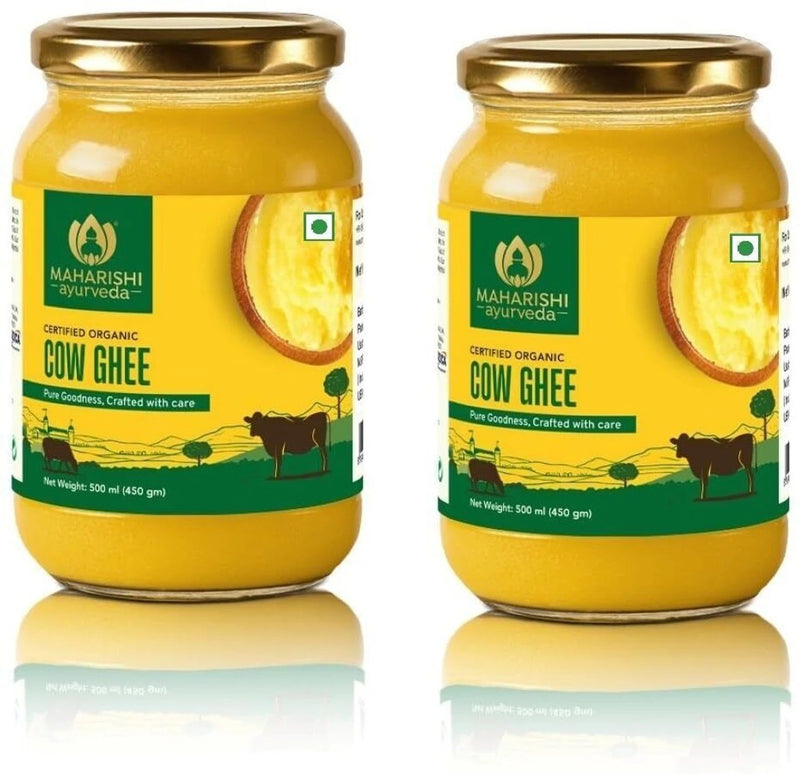
What Are Some Variations of Moong Dal Khichdi?
Khichdi can be adapted according to the ingredients available.
Vegetable Moong Dal Khichdi
Add carrots, peas, beans or potatoes during cooking. Tender greens such as spinach can be added toward the end. Vegetables introduce additional colours, textures and nutrients.
Masala Khichdi
For a stronger flavour, include ginger, garlic, coriander powder or a small quantity of garam masala. Avoid overheating the spices.
Millet Khichdi
Replace rice with a suitable millet, such as foxtail millet. Adjust soaking, cooking time and water quantity because different grains absorb water differently.
Soft Porridge-Style Khichdi
Increase the water and cook until the grains become very soft. This version is suitable for people who prefer a thinner texture.
What Does Ayurveda Say About Khichdi and Ghee?
Khichdi has a long association with Indian dietary traditions and is commonly included in Ayurvedic-inspired food routines.
Khichdi in Traditional Eating Practices
Rice and moong dal provide a familiar combination of grain and legume. Ayurvedic approaches often favour freshly prepared meals and suitable food consistency.
However, khichdi should not be presented as a treatment for digestive disease.
Traditional Role of Ghrita
In Ayurveda, ghee is known as Ghrita. It is valued as a food ingredient and traditionally used in selected preparations.
These historical uses do not establish that ordinary dietary ghee cures digestive problems.
How Can You Fix Common Khichdi Cooking Problems?
Khichdi Is Too Watery
Simmer uncovered for a few additional minutes. Stir occasionally and allow excess moisture to evaporate.
Khichdi Is Too Thick
Add hot water gradually and stir gently. Reheat until the desired consistency is reached.
Rice or Dal Is Undercooked
Add a little hot water, cover and continue cooking until soft. Avoid serving grains that remain hard.
Spices Taste Burnt
Use lower heat when tempering. If the spices burn, prepare fresh tempering rather than mixing burnt flavours into the dish.
What Can You Serve With Moong Dal Khichdi?
Popular accompaniments include plain curd, raita, homemade pickle and roasted papad. A simple vegetable salad or cooked vegetable side can add variety.
For a balanced meal, consider the overall amount of protein, vegetables and other ingredients rather than relying on ghee alone for nourishment.
How Should You Store and Reheat Khichdi?
Allow cooked khichdi to cool promptly, then refrigerate it in a covered, shallow container. Refrigerate within two hours of cooking, or sooner in very hot conditions.
When reheating, add a splash of water and heat thoroughly until steaming. Do not leave cooked rice dishes at room temperature for long periods or repeatedly reheat the same leftovers.
Conclusion
Moong dal khichdi with ghee is a simple, versatile Indian comfort food that can be prepared with everyday kitchen ingredients.
Whether you cook it on the stovetop, in a pressure cooker or in an Instant Pot, the key is balancing the rice-to-dal ratio, adding sufficient water and cooking until soft.
A measured finishing spoonful of ghee can enhance aroma and texture.
For those who appreciate traditional cow ghee, Maharishi Ayurveda Organic Cow Ghee offers a flavourful option for preparing and finishing khichdi.
Enjoy this familiar homemade recipe as part of a varied, balanced diet.
Popular Posts

How to Identify Authentic A2 Cow Ghee: Labels, Quality and Common Misconceptions
23 Nov, 2026To identify authentic A2 cow ghee, check the source of the milk, declared cattle breed, ingredie...
Read more
Can You Cook With A2 Cow Ghee Every Day? Smoke Point, Heating and Cooking Tips
23 Nov, 2026Yes, A2 cow ghee can be used for everyday cooking in moderate quantities. It is suitable for com...
Read more
Ghee Roasted Makhana Recipe: How to Make a Crispy Homemade Snack
23 Nov, 2026Ghee roasted makhana is a crunchy Indian snack made by roasting fox nuts in a little ghee over l...
Read more