FILTERS
NAFLD Explained: Causes, Symptoms and Ayurvedic Liver Support

What is NAFLD?
Non-alcoholic fatty liver disease (NAFLD) is a condition in which extra fat collects in the liver of people who drink little or no alcohol. It is now also referred to as MSLD, or metabolic dysfunction-associated steatotic liver disease, a name that better reflects its link to metabolic health.
In simple terms, the liver begins to store more fat than it should. A healthy liver holds little to no fat, but when fat crosses about 5% of the liver's weight, the organ is considered fatty. This build-up is often first noticed when a routine scan or blood test shows something unusual, since NAFLD rarely announces itself with obvious signs.
NAFLD is closely tied to obesity, diabetes, and heart disease, which is why doctors now see it less as a standalone liver problem and more as a reflection of the body's overall metabolic state.
TL;DR – NAFLD, Fatty Liver & Ayurvedic Support
- NAFLD Is Fat Build-Up in the Liver: It occurs when excess fat collects in the liver in people who drink little or no alcohol, and is closely linked with metabolic health.
- It Is Often Silent: Many people have no clear symptoms, though fatigue, weakness, mild abdominal discomfort, enlarged liver, or raised liver enzymes may appear.
- Lifestyle Drives Risk: Obesity, insulin resistance, type 2 diabetes, high cholesterol, high triglycerides, poor diet, and inactivity are major contributors.
- Early Fatty Liver Can Improve: Weight management, regular exercise, balanced meals, fibre-rich foods, hydration, and reduced fried, processed, sugary, and high-saturated-fat foods can support reversal in early stages.
- Ayurveda Focuses on Kapha, Agni & Ama: Fatty liver is viewed as over-nourishment with Kapha imbalance, weak Agni, Ama build-up, and Meda accumulation; herbs like Bhumi Amla, Kalmegh, Kutki, Punarnava, Guduchi, and formulations like Livomap may support liver wellness alongside lifestyle changes.
What Causes NAFLD?
Common Causes
Obesity, insulin resistance (insulin resistance occurs when the cells stop responding to insulin properly), type 2 diabetes, high cholesterol levels and an inactive (sedentary) lifestyle are the most common causes of NAFLD. Other health issues, such as elevated triglycerides and abnormal cholesterol levels, increase the risk of fat accumulation in the liver.
Risk Factors
NAFLD is affected by age, genetics and metabolic syndrome, which is a condition characterized by the presence of other conditions like hypertension, hyperglycemia and disordered cholesterol. Even though simple fatty liver does not directly impair the liver, it is known to increase the risk of cardiovascular disease, which is the no. 1 cause of death in patients with this liver disorder.
What Are the Symptoms of NAFLD?
NAFLD is often called a silent disease because it produces few or no warning signs. When symptoms do appear, they typically include:
- Fatigue
- Weakness
- Mild abdominal discomfort
- An enlarged liver
- Elevated liver enzymes on blood tests
Symptoms by Disease Stage
Symptoms usually stay mild until the disease advances. Even people who develop cirrhosis due to non-alcoholic steatohepatitis (NASH, or its updated name MASH) may notice little beyond tiredness or discomfort on the upper right side of the abdomen.
What Are the Stages of NAFLD?
Stage 1: Simple Fatty Liver
Fat accumulates in liver cells without inflammation or scarring. Most people have no symptoms, and the condition often improves with a healthy diet and regular exercise.
Stage 2: NASH
Inflammation joins the fat build-up as the liver works to repair damaged tissue.
Stage 3: Fibrosis
Persistent scar tissue forms in the liver and surrounding blood vessels. The liver still functions reasonably well, and treating the underlying cause may prevent or even reverse further damage.
Stage 4: Cirrhosis
The liver's function becomes impaired, and visible symptoms such as yellowing of the skin and eyes may appear. Scar tissue at this stage is difficult to remove, though further progression can be halted.
How is NAFLD Diagnosed?
Blood Tests
Tests such as ALT, AST, GGT, and bilirubin cannot confirm fatty liver on their own but help assess overall liver health and rule out other conditions.
Ultrasound
This is usually the first imaging test used. It is inexpensive, widely available, and effective at picking up moderate to severe fat build-up.
FibroScan
Also called transient elastography, this test measures liver stiffness and estimates liver fat, helping identify people at risk of more advanced disease.
Liver Biopsy
Considered the most definitive method, a biopsy can reveal the amount of fat, inflammation, cell injury, and scarring present. Because it is invasive, it is generally reserved for cases where diagnosis remains uncertain or advanced fibrosis is suspected.
Can NAFLD Be Reversed?
Yes. Early-stage NAFLD can often be improved or reversed through weight management, physical activity, balanced nutrition, and medical guidance.
Weight Loss Targets
Even modest weight loss of 3% to 5% of body weight is enough to significantly decrease liver fat, and loss of 7% to 10% of body fat can help to relieve liver inflammation and fibrosis.
Exercise Recommendations
There is a direct relationship between the amount of moderate exercise one gets and liver fat reduction, such as 30 minutes 5 days per week, plus the addition of resistance training.
Dietary Changes
Eating too much fat, particularly saturated fat, and sugar is a primary cause of NAFLD, and also alcohol abuse contributes to it. The liver benefits from eating healthy fats such as omega-3 fish food (salmon and sardines) and monounsaturated fats (avocados, nuts, and olive oil), but fried and processed foods should be avoided. Lean meat, dairy products, eggs, beans and lentils are good sources of protein which supports the repair of liver cells; but too much protein can tax the liver. Insoluble and soluble fibre in oats, lentils, whole grains and vegetables regulates blood sugar and supports natural detoxing of the liver. Increased fluid intake also supports liver filtration functions to the liver.
Ayurvedic Perspective on Fatty Liver
How Ayurveda Views Liver Imbalance
As per the Ayurvedic classification of the disease (acharya charaka), fatty liver is categorized under Santarpanajanya Vyadhi (disorder due to over nourishment). Kapha Dushita (vitiation of Kapha dosha) occurs due to excess consumption of Snigdha (unctuous), Madhura (sweet), Guru (heavy), and Pichilla (slimy) foods, new-grown grains and some meats. It upsets the body channels (Srotorodha) and fat tissue (Meda) gets accumulated in liver. Though Vata remains involved, Agni or digestive fire gets depleted even more and if Pitta is involved, the same kind of liver cell inflammation can progress a bit like NASH does.
Ayurvedic Principles for Liver Health
As fatty liver is a disease due to over nourishment, treatment in Ayurveda is followed by the lightening approach called Apatharpana. Here, the emphasis is on correcting the state of Agni, digestion of the accumulated Ama (metabolic toxins), tranquilizing Kapha and gradually decreasing the excess fat tissue.
- Nidana Parivarjana: Avoiding Kapha-aggravating foods and habits.
- Shodhana: Gentle purification measures, particularly those that support liver cleansing, guided by a qualified practitioner.
- Samsamana: Using Pachana (digestive) and Deepana (appetite-kindling) measures, along with Katu (pungent) and Tikta (bitter) tastes, to pacify Kapha and clear Ama.
- Rasayana: Rejuvenating herbs such as Triphala, Shilajatu, and Guggulu that support digestion and detoxification.
In addition to herbs, Ayurveda suggests certain yoga poses and Pranayama, such as Ardha Matsyendrasana and Mandukasana, also help in promoting digestion and decomposing the fat contained in the liver.
Ayurvedic Herbs Traditionally Used for Liver Support
Bhumi Amla
The liver (ayurvedic name: Rantipokh) is an old target for the hepatoprotective, or liver-protective, properties of Phyllanthus niruri.
Kalmegh
Andrographis paniculata is traditionally used to help the liver's natural detoxification and digestion.
Kutki
Picrorhiza kurroa is a bitter seed, has a long history in classical texts for liver and bile support.
Punarnava
Traditionally, Boerhavia diffusa is used for healthy Liver and Fluid Balance.
Guduchi
Tinospora cordifolia is a rasayana herb for immunity, digestion and detoxification.
Ayurvedic Liver Support Alongside Lifestyle Changes
Good common sense should be used with herbs. A light diet, Kapha balancing, less oily and less sugary, good sleep, stress management and walking or Yoga regularly – these are the general elements that form the pillars of Ayurvedic nutrition that Ayurveda considers necessary for a healthy liver.
The results of the research on measures that can be taken to address fatty liver.
Supplements for Fatty Liver: What Does Research Say?
Omega-3 fatty acids: A diet that's light, Kapha balancing, less oily and less sugary, good sleep, stress management and walking or Yoga regularly – these are the general elements that form the pillars of Ayurvedic nutrition that Ayurveda considers necessary for a healthy liver.The results of the research on measures that can be taken to address fatty liver.
Fatty fish and fish oil are rich in omega-3 fatty acids, which have some potential to help reduce liver fat, and shown to be beneficial for lipid metabolism, especially in those who have high levels of triglycerides. Guidelines at the moment are not indicative of them being used as monotherapy for fatty liver.
Vitamin E: It is a potent antioxidant that, in clinical trials, has demonstrated a benefit on liver inflammation among some nondiabetic adults that were biopsy-proven to have NASH. However, continued use over a long period of time may cause bleeding problems and other serious complications, so do not take it without medical advice.
Liver support formulations such as Livomap: Herbs with hepatoprotective, antioxidant and digestive supportive properties such as, Bhumi Amalaki, Kutki, Guduchi and Punarnava make for a liver support formulation like Livomap: an Ayurvedic herbal formulation from Maharishi Ayurveda. Livomap has been clinically studied and according to the principles of Maharishi Ayurveda, may assist with liver wellness, healthy metabolic rate and appetite, as part of a comprehensive program of liver management. It is not a substitute for proven interventions like weight loss, diets, exercise, and care of such diseases as diabetes or high blood pressure.
Livomap Tablets: Ayurvedic Support for Liver Wellness
A traditional Ayurvedic formulation crafted to support liver function, digestion, and everyday metabolic balance
Buy Now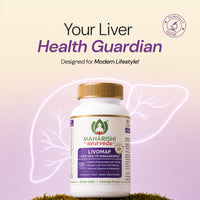
Popular Posts

Varicose Veins Symptoms: Causes, Early Signs and Ayurvedic Management
05 Oct, 2026Varicose veins are enlarged, twisted veins that commonly appear on the legs, feet, and ankles, o...
Read more
Himalayan Pink Salt Benefits: Uses, Nutrition and What to Know
29 Sep, 2026A pinch of salt seems simple, yet Ayurveda has always looked closely at simple things: their tas...
Read more
Plaque vs Tartar: What Is the Difference and How Does Ayurveda Approach Them?
28 Sep, 2026Plaque is a soft, sticky film of bacteria that forms on teeth, while tartar is hardened or calci...
Read moreRecommended Products