FILTERS
Why Does Your Mouth Feel Unclean After Waking Up? Understanding Morning Oral Hygiene

Your mouth may feel unclean after waking up because saliva production naturally decreases during sleep. Reduced saliva allows bacteria, food residue and dead cells to accumulate, particularly on the tongue. This can cause morning breath, a sticky sensation and an unpleasant taste. Brushing, gentle tongue cleaning and adequate hydration can help maintain morning oral freshness.
Have you ever woken up with a sticky mouth, unpleasant taste or a feeling that your teeth and tongue are not completely clean?
Even after brushing before bed, many people experience this familiar sensation the following morning. Morning breath and a coated tongue are common because your mouth undergoes several natural changes during sleep.
Saliva production decreases, bacteria remain active and debris may accumulate on the tongue's surface. Although these changes are usually normal, persistent symptoms may sometimes indicate dry mouth, gum problems or other oral health concerns.
Understanding why your mouth feels unclean in the morning can help you develop better daily habits. This guide explores the causes of morning oral discomfort, the importance of saliva, the role of tongue cleaning and a practical Ayurvedic-inspired oral hygiene routine.
TL;DR – Why Does Your Mouth Feel Unclean After Waking Up?
- Reduced Saliva During Sleep: Saliva production naturally decreases overnight, allowing bacteria, food residue and dead cells to accumulate and cause a sticky mouth or unpleasant morning taste.
- Common Causes of Morning Breath: Overnight bacterial activity and tongue coating can contribute to unpleasant breath. Mild morning breath is common and usually improves after normal oral hygiene.
- Saliva Protects Oral Health: Saliva helps wash away debris, neutralise acids, maintain moisture and provide minerals that support tooth enamel.
- Follow a Simple Morning Routine: Drink water if needed, brush twice daily for two minutes with fluoride toothpaste, clean between your teeth and gently clean your tongue if desired.
- Include Ayurvedic Oral-Care Practices: A copper tongue cleaner can help remove surface coating, while Maharishi Ayurveda Ayurdent Classic offers a botanical toothpaste option. Its fluoride-free formulation should be considered alongside individual cavity-prevention needs.
- Watch for Persistent Symptoms: Maintain hydration and consistent oral hygiene. Consult a dentist if bad breath, dry mouth, bleeding gums, tooth pain or unusual tongue patches persist.
Why Does Your Mouth Feel Dirty After Waking Up?
The main reason your mouth feels unclean in the morning is reduced saliva production during sleep.
Saliva normally helps wash away debris, maintain moisture and neutralise acids. When its flow decreases overnight, the mouth becomes less effective at clearing accumulated substances.
Reduced Saliva Production
During sleep, your salivary glands naturally produce less saliva. This can leave the mouth feeling dry or sticky when you wake up. The sensation may become more noticeable if you sleep with your mouth open.
Overnight Bacterial Activity
Your mouth contains a complex community of microorganisms. These bacteria continue interacting with saliva components, food residue and shed cells while you sleep. Some produce volatile sulphur compounds that contribute to unpleasant breath.
Tongue Coating
The tongue has a textured surface where microorganisms and debris can collect. A visible coating may develop, especially toward the back of the tongue. This can contribute to a fuzzy sensation or unusual morning taste.
Is Morning Breath Normal?
Yes. Mild morning breath is common and usually improves after eating, drinking water or completing your oral hygiene routine.
What Causes Morning Breath?
Morning breath develops partly because reduced saliva flow allows odour-producing compounds to accumulate. Other contributing factors include oral bacteria, leftover food particles and tongue coating.
Why Does Breath Smell Stronger After Sleep?
During the day, speaking, swallowing, drinking and chewing help distribute saliva. These activities decrease substantially during sleep. Consequently, odour-producing compounds may become more noticeable by morning.
When Is Morning Breath a Concern?
Occasional morning breath is generally normal. However, persistent bad breath despite regular oral hygiene may indicate gum disease, dental decay, dry mouth or another condition.
Consult a dentist if the problem continues.
Why Does Your Tongue Develop a White Coating Overnight?
A thin tongue coating can occur when bacteria, shed cells and debris accumulate on its surface. The tongue's small projections create areas where material can collect.
Is a White Tongue Always Unhealthy?
Not necessarily. A light, temporary coating that improves after normal oral hygiene may be harmless.
However, thick or persistent white patches, pain, bleeding or unusual changes should be assessed professionally.
Can Tongue Coating Cause Bad Breath?
Tongue coating can contribute to unpleasant breath because it may contain odour-producing bacteria.
Cleaning the tongue can remove some surface debris and temporarily improve mouth freshness.
Does Tongue Cleaning Remove All Bacteria?
No. Your mouth naturally contains microorganisms, many of which are part of its normal environment.
Tongue cleaning should focus on removing excess coating rather than attempting to eliminate all bacteria.
How Does Saliva Help Maintain Oral Hygiene?
Saliva performs several important functions in the mouth.
Natural Cleansing
Saliva helps wash away loose food particles and other debris. Swallowing also assists with normal oral clearance.
Neutralising Acids
Saliva contains substances that help buffer acids produced by oral bacteria. This is important because prolonged acid exposure can contribute to tooth enamel damage.
Supporting Enamel Health
Saliva provides minerals, including calcium and phosphate, that support enamel remineralisation. Fluoride also plays an important role in preventing tooth decay.
Maintaining Oral Comfort
Adequate saliva helps keep oral tissues moist. When saliva production becomes insufficient, you may experience difficulty swallowing, speaking or eating comfortably.
What Causes Dry Mouth During Sleep?
Several factors can make nighttime mouth dryness more noticeable.
Mouth Breathing
Sleeping with your mouth open increases exposure to airflow. This can contribute to a dry feeling upon waking.
Insufficient Hydration
Not drinking enough fluids during the day may contribute to general dryness. However, persistent dry mouth is not always caused by dehydration.
Certain Medicines
Some antihistamines, antidepressants and other medicines may reduce saliva production. Never stop prescribed medication without medical advice.
Sleep-Related Breathing Problems
Habitual mouth breathing, loud snoring or interrupted breathing during sleep may be associated with underlying conditions. Seek professional assessment if these symptoms occur regularly.
What Is the Best Morning Oral Hygiene Routine?
A simple routine can help remove overnight plaque, clean the tongue and restore oral comfort.
The following steps combine evidence-based dental hygiene with familiar Ayurvedic personal-care practices.
Step 1: Drink Water if Your Mouth Feels Dry
After waking, take a few sips of plain water if needed. Water can help relieve temporary dryness and clear loose debris. It does not replace brushing.
Step 2: Brush Your Teeth for Two Minutes
Use a soft-bristle toothbrush and brush gently across all tooth surfaces. Pay attention to the gumline without applying excessive pressure.
Dental authorities recommend brushing twice daily with fluoride toothpaste for cavity prevention.
Step 3: Clean Your Tongue Gently
Use a clean tongue scraper or tongue cleaner. Start at a comfortable position toward the back of the tongue and move gently forward.
Rinse the cleaner between strokes. Avoid pressing hard enough to cause pain or bleeding.
Step 4: Clean Between Your Teeth
Use dental floss or suitable interdental brushes once daily. This helps remove plaque from areas a toothbrush cannot easily reach.
Step 5: Maintain Hydration
Drink water regularly throughout the day. If you experience temporary dryness, sugar-free chewing gum may help stimulate saliva.
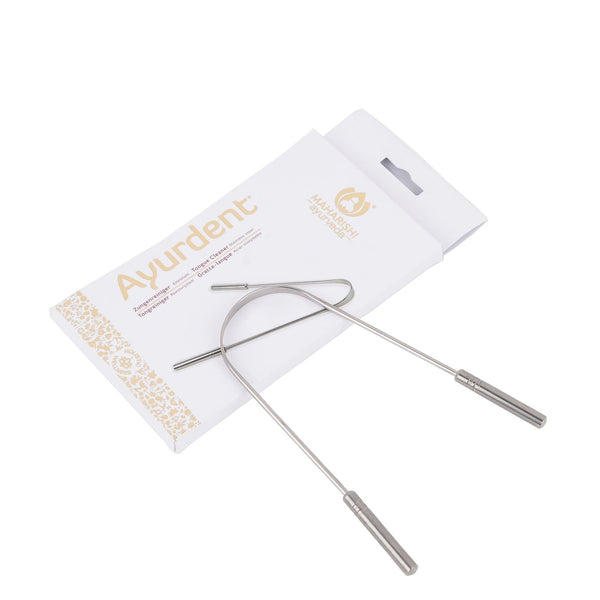
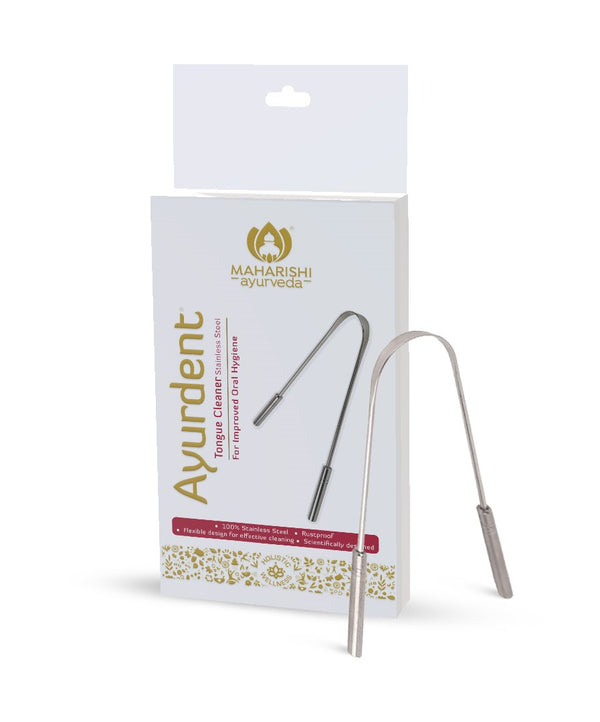
Stainless Steel Tongue Cleaner: An Essential for Daily Oral Hygiene
A durable stainless steel tongue cleaner designed to help remove tongue buildup as part of your daily oral care routine.
Buy Now
Is Tongue Cleaning Necessary Every Morning?
Tongue cleaning can be a useful optional addition to oral hygiene. However, it should not replace brushing or interdental cleaning.
What Does a Tongue Cleaner Do?
A tongue cleaner mechanically removes some accumulated coating and debris from the tongue surface.
This may leave the mouth feeling fresher immediately afterward.
Is a Tongue Scraper Better Than a Toothbrush?
Some small studies suggest tongue scrapers can remove coating effectively. However, evidence that scraping provides lasting improvement in chronic bad breath is limited.
The American Dental Association considers tongue cleaning optional rather than an essential requirement.
How Often Should You Clean Your Tongue?
Once daily is sufficient for people who choose to include tongue cleaning. Use gentle pressure and stop if irritation occurs. There is no need to scrape repeatedly until the tongue becomes uncomfortable.
Why Use a Copper Tongue Cleaner?
Copper tongue cleaners are commonly associated with traditional Indian oral-care practices. They offer a reusable tool for removing tongue coating.
What Are the Practical Advantages?
A well-designed copper tongue cleaner can provide:
- A curved shape for cleaning the tongue surface
- A reusable alternative to disposable cleaners
- A tool for removing visible tongue debris
- An additional step for people who enjoy tongue cleaning
The main practical benefit comes from gentle mechanical cleaning, not from proven systemic detoxification.
How Should You Use It?
Hold the cleaner securely. Place its curved edge comfortably on the tongue. Pull it gently forward, rinse and repeat only as needed. Avoid reaching so far back that you trigger gagging.
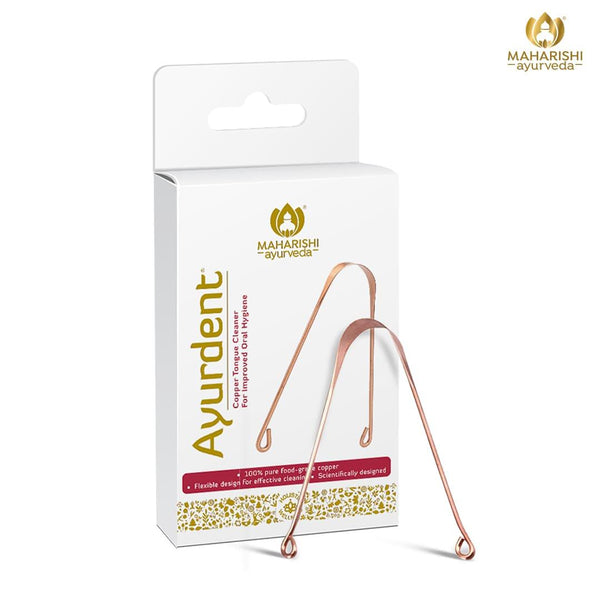
Maharishi Ayurveda Copper Tongue Cleaner for Daily Oral Care
Maharishi Ayurveda Copper Tongue Cleaner is a reusable oral-care accessory made from copper.
The manufacturer describes it as ergonomically designed for comfortable tongue cleaning.
What Makes It Distinctive?
According to Maharishi Ayurveda India, the product features:
- Copper construction
- A durable, reusable design
- An ergonomic shape
- Application for removing tongue coating and debris
- A complementary role alongside regular brushing
The manufacturer's usage instructions suggest approximately three to four gentle back-to-front passes.
Use fewer strokes if the tongue is already clean or becomes uncomfortable.
How Should You Maintain It?
Rinse the cleaner thoroughly after use. Wash according to the manufacturer's care instructions and allow it to dry. Avoid using a damaged or rough-edged cleaner.
Explore Maharishi Ayurveda Copper Tongue Cleaner for product details and daily usage instructions.
Copper Tongue Cleaner: Traditional Ayurvedic Oral Care
A traditional copper tongue cleaner designed to help remove tongue buildup and complement your daily oral hygiene routine.
Buy Now
How Does Ayurdent Classic Toothpaste Fit Into Morning Oral Care?
Ayurdent Classic is an Ayurvedic toothpaste developed by Maharishi Ayurveda India. It combines traditional botanical ingredients in a non-foaming formulation.
What Are Its Highlighted Ingredients?
The manufacturer describes a blend of 20 herbs and ingredients, including:
- Neem: Traditionally used in Indian oral-care preparations.
- Meswak: Associated with traditional tooth-cleaning practices.
- Triphala: A classical Ayurvedic combination of three fruits.
- Ginger: Used in several traditional herbal formulations.
- Mulethi: Also known as licorice.
- Peppermint oil: Provides a refreshing flavour and aroma.
These ingredients reflect the product's botanical formulation.
Is Ayurdent Classic Fluoride-Free?
Yes. Maharishi Ayurveda describes Ayurdent Classic as fluoride-free and SLS-free. It is also designed to provide a low-foaming brushing experience.
However, fluoride toothpaste remains the evidence-based standard for preventing cavities. People with frequent cavities, dry mouth or other elevated dental risks should consult their dentist before switching entirely to fluoride-free toothpaste.
How Can You Include It in Your Routine?
Ayurdent Classic may be considered by adults who prefer Ayurvedic botanical oral-care products. Use a soft toothbrush, brush gently and follow the product directions.
Discover Maharishi Ayurveda Ayurdent Classic Toothpaste to explore its herbal ingredients, formulation and available packs.
Ayurdent Classic: Ayurvedic Herbal Toothpaste for Daily Oral Care
A traditional Ayurvedic toothpaste formulated with herbal ingredients for your everyday oral care routine.
Buy Now
How Can You Combine Ayurdent Classic and a Copper Tongue Cleaner?
A combined routine focuses on cleaning different areas of the mouth. Brushing removes plaque from tooth surfaces, while tongue cleaning helps remove surface coating.
A Simple Morning Sequence
- Begin with a gentle water rinse if your mouth feels dry.
- Brush your teeth thoroughly.
- Clean the tongue with a few gentle strokes.
- Rinse the tongue cleaner and allow it to dry.
- Continue normal hydration and oral-care habits.
When using fluoride toothpaste, avoid rinsing your mouth vigorously with water immediately after brushing, as this removes residual fluoride. Tongue cleaning can be done before brushing if that is more convenient.
Try a Seven-Day Morning Oral Hygiene Routine
A short self-observation exercise can help you understand which habits improve your morning comfort.
Days 1–2: Observe Your Current Routine
Notice how your mouth feels when you wake up. Record dryness, tongue coating and breath freshness. Continue your normal brushing schedule.
Days 3–5: Add Gentle Tongue Cleaning
Introduce a tongue cleaner if you are not already using one. Observe whether your tongue feels cleaner after use. Avoid excessive scraping.
Days 6–7: Review Your Habits
Evaluate whether regular brushing, tongue cleaning and adequate hydration have improved your experience.
This is a personal hygiene exercise, not a medical test or a guarantee of measurable clinical improvement.
What Can You Do to Prevent Morning Mouth Dryness?
Small daily habits may help reduce discomfort.
- Drink adequate water throughout the day.
- Avoid excessive alcohol, particularly before bedtime.
- Limit tobacco exposure.
- Consider sugar-free gum when appropriate.
- Address persistent nasal blockage or mouth breathing.
- Discuss medicine-related dryness with your healthcare professional.
If symptoms continue, professional dental or medical assessment is important.
When Should You See a Dentist About Morning Breath?
Morning breath that resolves after normal oral hygiene is generally not concerning. However, consult a dentist if you experience persistent bad breath, bleeding gums, tooth pain or significant dry mouth.
Also seek advice for tongue patches that do not disappear, painful oral lesions or difficulty swallowing. These symptoms may require treatment beyond routine brushing or tongue cleaning.
Conclusion
A mouth that feels unclean after waking up is often the result of natural overnight changes in saliva production and bacterial activity.
A simple oral hygiene routine can help manage these sensations and improve morning comfort.
Brushing twice daily, cleaning between teeth, maintaining hydration and optionally cleaning the tongue are useful habits.
For people interested in Ayurvedic-inspired oral care, Maharishi Ayurveda Ayurdent Classic Toothpaste and the Maharishi Ayurveda Copper Tongue Cleaner provide complementary products for toothbrushing and tongue cleaning.
Remember that persistent bad breath or dry mouth may require dental assessment, and fluoride remains important for evidence-based cavity prevention.
Read more : Why Oral Care is a Daily Detox Ritual in Ayurveda →
Popular Posts

How to Identify Authentic A2 Cow Ghee: Labels, Quality and Common Misconceptions
23 Nov, 2026To identify authentic A2 cow ghee, check the source of the milk, declared cattle breed, ingredie...
Read more
Can You Cook With A2 Cow Ghee Every Day? Smoke Point, Heating and Cooking Tips
23 Nov, 2026Yes, A2 cow ghee can be used for everyday cooking in moderate quantities. It is suitable for com...
Read more
Moong Dal Khichdi With Ghee: A Simple Indian Comfort Food Recipe
23 Nov, 2026Moong dal khichdi with ghee is a traditional Indian one-pot dish prepared using split yellow moo...
Read moreRecommended Products

Crafted From Premium Stainless Steel, Endorsed By The American Dental Association, Durable And Ergonomically Designed, Promotes Overall Oral Hygiene


Premium quality Coppper, Durable And Ergonomically Designed, Endorsed By The American Dental Association


Helps maintain strong teeth and healthy gums, Fights bacteria, controls plaque, and tartar, 100% Natural, SLS -Free, Fluoride Free