FILTERS
Your Gut Is Your Second Brain: 7 Digestive Warning Signs
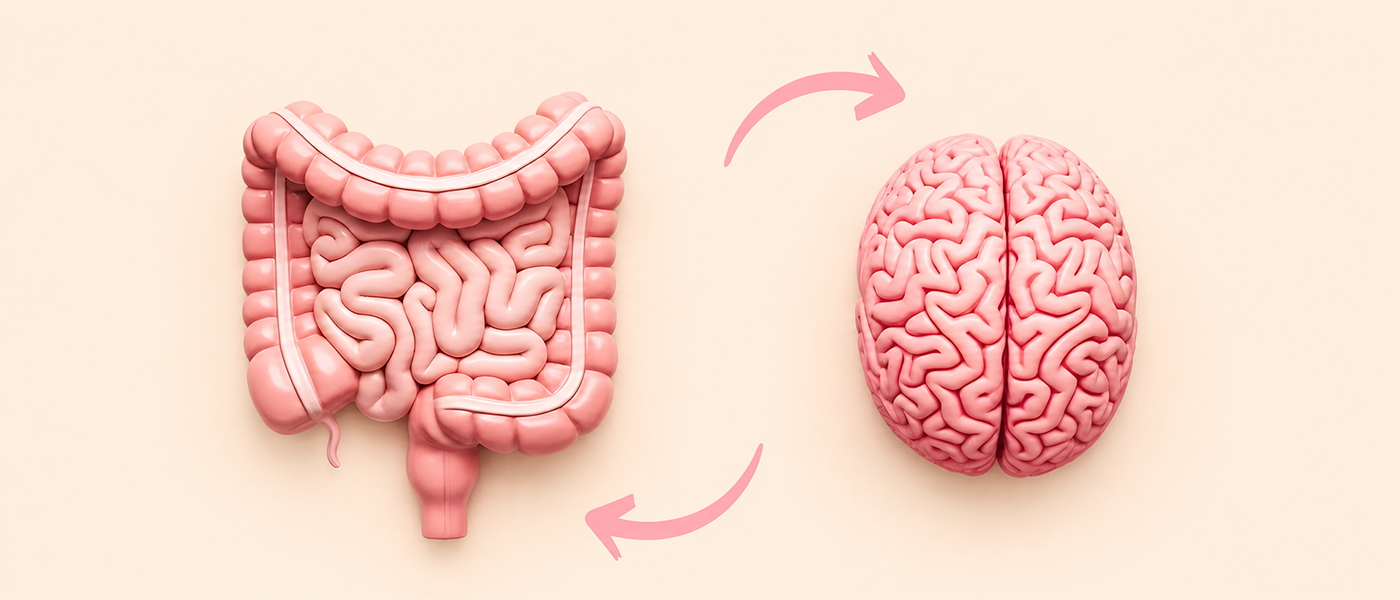
Your Digestive System Needs Immediate Help. Your gut does a lot more than digest food — researchers and traditional systems call it the body’s “second brain.” The gut and brain are constantly communicating via the vagus nerve and a network called the enteric nervous system, and the state of digestion influences mood, sleep and energy. This post defines gut health, describes seven urgent warning signs to watch for, and lays out practical immediate actions (kitchen remedies) plus longer-term fixes (diet, lifestyle and Ayurvedic supports) for readers who want fast relief and sensible next steps.
TL;DR – Gut Health, Digestion Signs & Ayurvedic Support
- Your gut affects more than digestion: Gut health can influence mood, sleep, energy, and mental clarity through the gut-brain connection.
- Watch for warning signs: Persistent bloating, gas, constipation, diarrhoea, reflux, fatigue, food sensitivities, skin issues, bad breath, or sudden weight changes may signal poor digestion.
- Ayurveda links digestion with Agni: Balanced Agni supports proper digestion, while weak Agni may lead to Ama buildup and discomfort.
- Simple habits help: Regular meals, warm foods, early dinner, mindful eating, hydration, sleep, movement, and stress control can support better gut health.
- Home remedies may offer quick relief: Ginger, ajwain, cumin-coriander-fennel tea, and Triphala may support digestion when used appropriately.
- Know when to seek help: Severe pain, fever, vomiting, blood in stool, black stools, or symptoms lasting beyond 48–72 hours need medical attention.
Why the Gut Is Called the Second Brain
The gut-brain connection
Researchers call the enteric nervous system (ENS) — a dense network of neurons in the digestive tract — a ‘second brain.’ The ENS sends messages to your central nervous system through the vagus nerve and chemical messengers. In fact, around 90% of the body’s serotonin is produced in the gut, which helps explain links between digestion, mood and sleep. New studies also reveal the microbiome can influence stress responses and cognitive function, underscoring why gut health is important beyond digestion.
How digestion affects mood
Small changes in the microbiome and low-level inflammation in the gut can change neurotransmitter signalling and immune responses, which can influence mood and mental clarity. You’ve likely experienced the “butterflies” before giving a presentation, or an anxious feeling that causes you to lose your appetite – these are just small signals that the brain and gut are always talking to each other. If you have poor digestion, you are probably not absorbing nutrients properly and may experience poor sleep and a cycle of worsened fatigue and brain fog.
Ayurvedic view of gut-mind link
Ayurveda long recognised digestion (Agni, the digestive fire) as central to physical and mental health. When Agni is balanced, food is properly transformed, and the mind is clear; when Agni is weak, and Ama (undigested residues) builds up, both body and mind show symptoms. Ayurveda and modern neuroscience provide complementary perspectives, one focusing on daily routines and herbs that support Agni and the other on mapping physiological pathways of the gut-brain axis.
Check How to Improve Gut Health with Ayurveda→
7 Signs Your Digestive System Needs Immediate Attention
1. Persistent bloating and gas
Ongoing bloating after meals, visible abdominal distension or excessive gas that interferes with your comfort and confidence. Common triggers include large meals, high-FODMAP foods and eating too quickly. Chronic bloating can sometimes be a sign of SIBO (small intestinal bacterial overgrowth) or malabsorption of food. 2. Chronic constipation or diarrhoea What it looks like: Constipation (infrequent, hard stools) or diarrhoea (loose, frequent stools) that occurs repeatedly or becomes chronic. Each extreme can indicate disrupted gut motility, an imbalance in your gut flora or dietary problems.
2. Chronic constipation or diarrhoea
What it looks like: Constipation (infrequent, hard stools) or diarrhea (loose, frequent stools) that happens repeatedly or that becomes chronic. Either extreme disrupted gut motility, flora imbalance or dietary issues.
3. Frequent heartburn or reflux
What it looks like: Regular acid reflux, burning behind the breastbone or regurgitation after meals. Occasional acidity is common; frequent heartburn suggests GERD or lifestyle contributors like late-night meals and certain foods.
4. Unexplained fatigue or brain fog
What it looks like: Persistent tiredness, difficulty concentrating, or mental sluggishness that doesn’t improve with rest. Poor gut health can contribute via reduced nutrient absorption, altered serotonin pathways and chronic low-grade inflammation.
5. New food intolerances or sensitivities
What it looks like: Repeated bloating, nausea, skin reactions or headaches after particular foods that previously caused no trouble. This can reflect microbiome shifts or partial enzyme deficiencies (e.g., lactose intolerance).
6. Skin problems and bad breath
What it looks like: Persistent acne, eczema or unexplained flares and chronic halitosis (bad breath) despite oral hygiene. The gut–skin axis links microbial balance and immune signaling to skin health; halitosis can point to poor digestion, reflux or oral/gum issues.
7. Sudden weight change or nutrient issues
What it looks like: Unexplained weight loss or gain, persistent anaemia, hair thinning or other signs of malabsorption. Rapid weight change often indicates underlying digestive dysfunction or systemic disease.
How to Improve and Maintain Gut Health Naturally
Diet choices that support the gut
Include: high-fiber foods (oats, millets, beans in moderation), fermented foods daily if tolerated (yogurt, curd, idli/dosa), fruits like papaya and banana, and vegetables cooked to preference.
Portions/frequency: aim for 25–35 g fiber daily (gradually), a small serving of fermented food each day, and three balanced meals with 1–2 light snacks if needed.
Limit: ultra-processed foods, high-sugar snacks, and excessive fried or very spicy meals.
Meal timing and warm foods
Eat at regular times (three meals and 0–2 small snacks), aim to finish dinner 2–3 hours before sleep, and prefer warm or cooked foods in the evening. In Ayurveda warm foods support Agni and are easier to digest; finishing dinner early reduces reflux risk.
Stress, sleep and movement
Stress management, good sleep and light movement are central to a healthy gut. Practical steps: 5–10 minutes of deep breathing after lunch, a 10–20 minute walk after meals, and aim for 7–9 hours of sleep. Chronic stress alters the microbiome — simple daily practices help restore balance.
Daily habits to support digestion
- Chew thoroughly and avoid screens while eating.
- Start the day with a mug of warm water or a ginger infusion to wake Agni gently.
- Stay hydrated with warm or room-temperature water; avoid very cold drinks with meals if they cause discomfort.
- Introduce habit changes gradually and track improvements in a diary for 2–4 weeks.
Check out how to Improve Digestion Naturally at Home→
Foods to include and avoid
|
Include |
Avoid |
|
Curd/yogurt, idli/dosa, kichadi, dal, cooked greens, papaya, banana, oats, ginger |
Packaged snacks, sugary beverages, excessive fried foods, frequent antibiotics (unless prescribed) |
Fast Relief: Home Remedies for Indigestion, Bloating and Gas
Ginger and ajwain remedies
Ginger: chew a thin slice of fresh ginger with a pinch of rock salt after a heavy meal, or sip ginger infusion (1–2 g fresh or 1/2 tsp dried) warmed in water. Ajwain (carom seeds): crush 1/2 tsp and steep in hot water for 5–10 minutes; sip warm. These are short-term carminative measures that may ease gas and stimulate digestion.
Precautions: Avoid both in the case of Pitta body type or Pitta conditions like hyperacidity or ulcers.
Cumin–coriander–fennel tea
Recipe: Boil 1/2 tsp each of cumin, coriander and fennel seeds in 2 cups of water for 5–10 minutes, strain and sip warm after meals. Why it helps: These seeds are carminative and help relieve gas and mild cramping. Add a pinch of jaggery or a squeeze of lemon to taste.
Triphala and gentle detox aids
Triphala powder (1 tsp in warm water) taken before bed supports regularity for many people. It’s traditionally used as a gentle bowel tonic rather than an acute gas treatment. Do consult a practitioner before regular use, and avoid in pregnancy unless advised.
Triphala Powder: Ayurvedic Support for Digestion & Detox
Traditional herbal blend crafted to support gut health and natural cleansing
Buy Now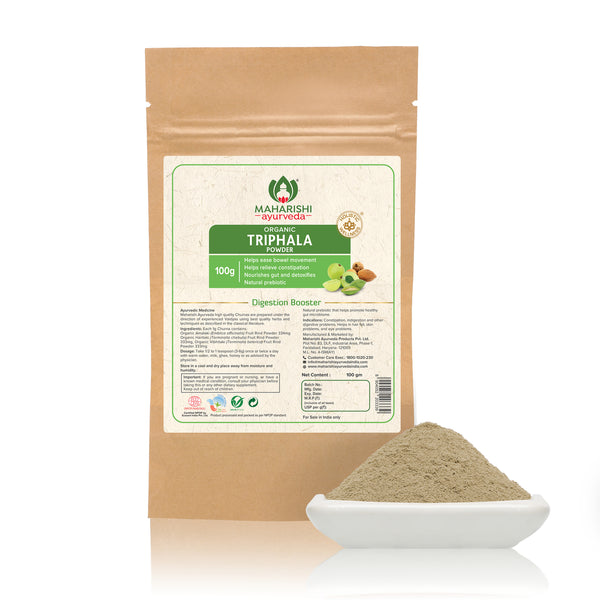
When home remedies aren’t enough
Seek urgent care for fever, severe or worsening abdominal pain, recurrent vomiting, blood in stool or black/tarry stools. If common remedies don’t improve symptoms in 48–72 hours, document the pattern (food triggers, timing, stool chart) and see a clinician for targeted tests.
Ayurvedic Perspective and Herbal Support
Agni, Ama and dosha balance
Ayurveda frames digestion around Agni (digestive fire) and Ama (undigested residues). When Agni is strong, food is properly transformed; when weak or irregular, Ama accumulates and impairs both physical and mental health. Vata, Pitta and Kapha imbalances change how Agni functions — for example, Vata issues often show as gas and irregularity, while Pitta imbalances can lead to acidity.
Top Ayurvedic herbs and uses
Triphala — gentle bowel regularity (1 tsp with warm water before bed).
Amla — vitamin C–rich, supports digestion and liver function in moderate amounts.
Ginger — fresh or dried to stimulate Agni and ease nausea.
Hing (asafoetida), ajwain — carminatives for gas relief in small quantities.
Evidence: many herbs have traditional use and growing scientific support for digestive benefits; however, consult a qualified vaidya or clinician for long-term dosing, pregnancy, breastfeeding or interactions with medications.
Building a simple Ayurvedic routine
Sample rituals: morning warm water with lemon or a light ginger infusion, a grounding breakfast; meals at regular times; evening—light, warm dinner finished 2–3 hours before bed—Personalise by dosha with a practitioner’s guidance for chronic problems.
Safety, sourcing and quality
Buy herbs from trusted brands, read ingredient lists and check for third-party testing where possible. Avoid high-dose self-prescribing, and disclose herbal use to your clinician to prevent interactions. Pregnant and nursing women should consult a practitioner before using herbal supplements.
Want a personalised Ayurvedic routine for digestion?
Consider a short consultation with our vaidyas to tailor herbs, diet and daily rituals to your needs.
Book an Ayurvedic Vaidya Consultation
Personalised Ayurveda guidance for your health, lifestyle & wellness goals
Book Consultation
Conclusion
Think of your gut as a large communication network that affects mood, energy and resilience. For quick relief, turn to simple home remedies and for lasting change, embrace regular meals, warm foods, movement, stress management and specific Ayurvedic or clinical support as appropriate. If you have red-flag symptoms, get medical attention immediately and keep a symptom diary to speed up diagnosis and recovery.
Start Your Ayurvedic Gut Detox Today!
Popular Posts

Home Remedies for Migraine: Simple Remedies and When to See a Doctor
16 Oct, 2026Migraine is more than an ordinary headache that strikes at the worst time. People are eager to fi...
Read more
What Is Metabolic Health and Why Does It Matter for Weight Management?
15 Oct, 2026Metabolic health refers to how effectively the body manages blood sugar, blood pressure, blood fa...
Read more
Low AMH: What It Means for Fertility
14 Oct, 2026A calm, clear guide for women who have just seen that number on a report. Meera was 32 when the l...
Read moreRecommended Products


Promotes the Growth of Good Gut Bacteria, Supports nutrient absorption, Helps eliminates toxins)


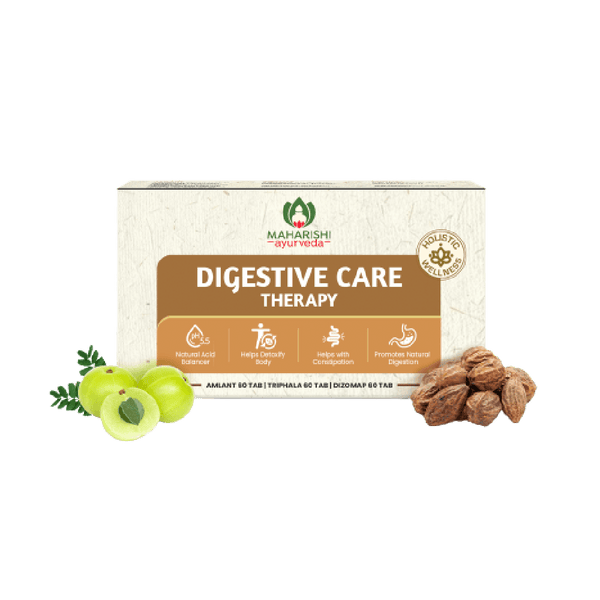
Supports overall digestive health, Manages acidity, constipation, indigestion, and other digestive issues, Detoxifies the body


Enhances Digestion & Relieves Constipation