FILTERS
Navratri Recipes According to Ayurveda: Best Light Fasting Meals for Better Digestion

Navratri fasting often begins with a simple intention: eat lighter and give the everyday routine a reset. Yet the fasting plate can quickly become heavy with fried snacks, potatoes, sweets and large portions of foods that are technically “vrat-friendly”.
Ayurveda invites us to ask a different question. Instead of looking only at whether a food is allowed during a fast, it asks: How is it prepared, how much are you eating, and how does it feel after the meal?
The goal is not to make food joyless or to stay hungry. It is to choose meals that are simple, freshly prepared and satisfying without making digestion work harder than necessary.
If you are searching for Navratri recipes according to Ayurveda, two dishes from Maharishi Ayurveda’s fasting recipe video offer a practical place to begin: a colourful Samak Pulao Bowl and crisp Lauki Chips. Together, they turn familiar vrat ingredients into a complete meal that feels festive without becoming a feast.
What Does Ayurveda Say About Fasting During Navratri?
In Ayurveda, digestion is often discussed through Agni (digestive fire). Ayurvedic fasting is traditionally associated with creating lightness and giving digestion a simpler workload rather than merely skipping food.
Maharishi Ayurveda’s Navratri recipe video follows the same idea: choose sattvik, lighter foods, use mild spices and avoid making the fast unnecessarily heavy with fried preparations.
A useful rule to remember is:
Vrat-friendly does not automatically mean digestion-friendly.
A fasting meal can still feel heavy if it is deep-fried, very oily, excessively spicy or simply too large. A warm, freshly cooked meal in a comfortable portion can be a more balanced approach.
What Should a Light Navratri Meal Look Like?
A simple Ayurvedic-inspired fasting meal can be fresh, warm, mildly seasoned and moderate in quantity. Ingredients such as samak, lauki, potatoes, nuts and mild spices can create plenty of variety without making the plate complicated.
Cooking technique matters too. Roasting, simmering, steaming and light sautéing can bring out flavour without relying on deep-frying.
That is where cooking fats have a clear role. Ghee works naturally for tempering and roasting, while virgin coconut oil can be useful for light sautéing where its coconut flavour suits the dish. Maharishi Ayurveda’s Virgin Coconut Oil is cold-pressed and intended for uses including light cooking.
Fasting customs differ between families and regions, so adapt ingredients such as hing, particular vegetables or spices to the vrat rules you follow.
Recipe 1: Samak Pulao Bowl with Pure Organic Ghee
If fasting food has ever felt repetitive, this recipe changes the mood.
Samak, or barnyard millet, is commonly used during Navratri fasting. In the Maharishi Ayurveda video, it becomes a one-pot pulao with vegetables, nuts, mild spices and cow ghee.
Ingredients
- 2 cups samak rice
- 4 teaspoons cow ghee
- A pinch of hing
- 1 teaspoon cumin seeds
- 2 cloves
- 2 bay leaves
- 1 inch ginger, grated or finely chopped
- 2 green chillies, finely chopped
- A few curry leaves
- 2 tomatoes, chopped
- 2 potatoes, cubed
- 1 carrot, chopped
- 1 capsicum, chopped
- ½ cup beans, chopped
- ½ cup roasted peanuts, almonds or cashews
- Sendha namak, to taste
- ½ teaspoon black pepper
- Lemon juice, optional
- Coriander leaves, to garnish
- 2–2½ cups water
How to Make It
Warm the cow ghee in a pan. Add cumin, cloves, bay leaves and the fasting-friendly spices you use at home. Let them become aromatic without burning.
Add ginger, chillies and the vegetables, then cook gently until they begin to soften. Stir in the washed samak and roasted nuts, season with sendha namak and black pepper, then add water.
Cover and cook until the samak is tender. Finish with coriander and a little lemon juice if your fasting routine allows it.
The bowl works because every ingredient brings something different: soft samak, vegetables, crunchy nuts and the aroma of ghee.
Why Ghee Works Well Here
In a simple pulao, the cooking fat is easy to notice. Maharishi Ayurveda Pure Organic Cow Ghee is made from the milk of organically fed cows and contains no added colour or flavour.
Use it for the initial tempering rather than adding large amounts at the end. A measured quantity is enough to carry the spices and give the pulao its familiar richness.
Organic Ghee: Traditional Ayurvedic Support for Daily Nourishment
A pure, golden ghee traditionally valued in Ayurveda to support digestion, vitality, and everyday wellness routines
Buy Now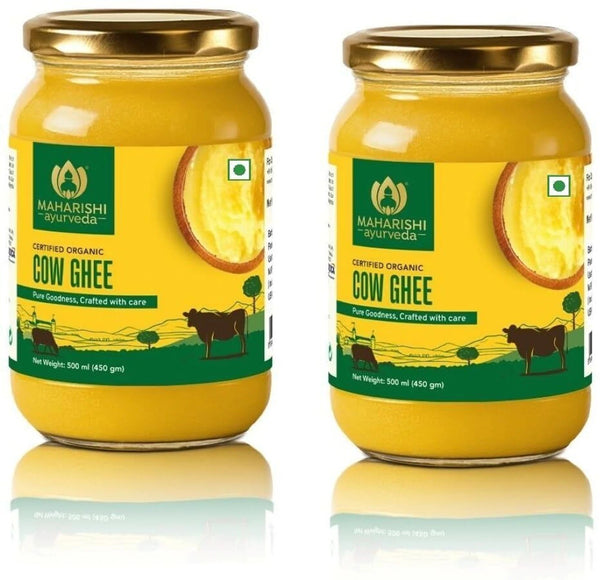
Recipe 2: Light Lauki Chips for a Fasting-Friendly Crunch
Lauki, or bottle gourd, may not be the first ingredient you associate with something crisp. That is exactly why this recipe is interesting.
The video coats lauki with fasting flour and seasoning and cooks it with a small amount of ghee instead of turning it into a deep-fried snack.
Ingredients
- 1 medium lauki
- 2–3 tablespoons rajgira flour or singhara flour
- 1 teaspoon sendha namak
- ½ teaspoon black pepper
- ½ teaspoon roasted cumin powder, optional
- 1–2 teaspoons lemon juice
- 2 teaspoons ghee
How to Make Them
Peel the lauki and cut it into thin, even slices. Pat away excess moisture.
Toss the slices with rajgira or singhara flour, sendha namak, black pepper, roasted cumin powder and lemon juice.
The original recipe uses ghee. Lightly grease a pan and grill or pan-cook the slices, turning until the outside develops colour and a firmer texture.
Served beside the soft pulao, the lauki gives the meal a welcome crisp, savoury contrast.
Where Virgin Coconut Oil Can Fit
If you want another cooking-fat option, lauki is the more natural place to use it.
The video itself uses ghee, but at home you can lightly grease the pan with Maharishi Virgin Coconut Oil if its coconut flavour suits your taste and fasting tradition.
It is made from certified organic coconuts using cold-pressed extraction and is suitable for light sautéing.
Use only what you need for cooking and avoid heating oil until it smokes.
Virgin Coconut Oil: Traditional Support for Hair, Skin & Wellness
A pure, nourishing oil traditionally used to support healthy-looking skin, stronger hair, and everyday wellness routines
Buy Now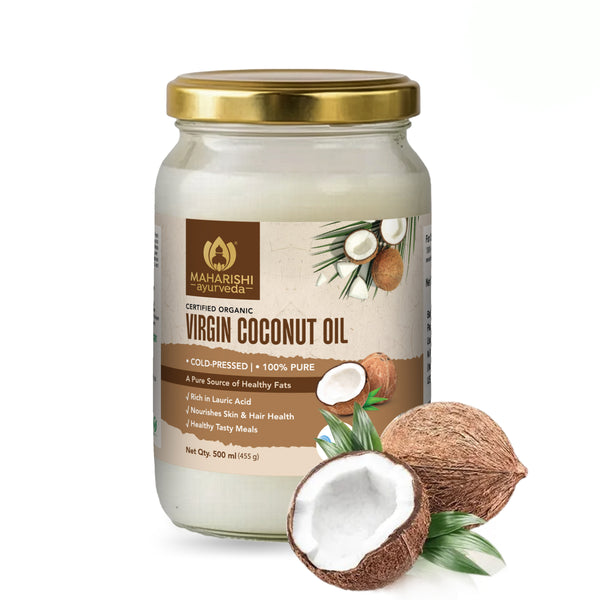
Ghee or Coconut Oil: Which Should You Use?
There does not have to be one winner.
For Samak Pulao, ghee is the more natural fit because its aroma pairs well with cumin, mild spices, potatoes and fasting grains.
For Lauki Chips, ghee follows the original recipe, while virgin coconut oil can be used as an alternative for light grilling if you enjoy its flavour.
Ayurveda looks at food in context, so quantity and preparation matter too. A simple rule is:
Use enough to cook well, not enough to make the meal heavy.
Explore More :
What Are the Benefits and Uses of Organic Cow Ghee?–>
Virgin Coconut Oil: Benefits, uses, side effects, and more –>
5 Simple Ways to Keep Your Navratri Fast Feeling Light
1. Cook fresh whenever possible.
Fresh food is central to sattvik-style eating and often needs less heavy seasoning.
2. Do not make every vrat food a fried food.
Fasting ingredients can be roasted, simmered, grilled or lightly sautéed.
3. Keep portions comfortable.
A very large meal after a long gap can feel heavier than expected.
4. Let spices support the dish.
Cumin, ginger, black pepper and fresh herbs can create flavour without overwhelming the meal.
5. Notice how you feel afterwards.
Ayurveda is individual. The same food and portion will not suit everyone equally.
Watch the Complete Navratri Fasting Meal Being Made
A written recipe gives you the steps, but watching the consistency of samak, the thickness of the lauki slices and the cooking stages can make the first attempt easier.
In the Maharishi Ayurveda video, you can see the Samak Pulao Bowl and Lauki Chips prepared from start to finish, along with Ayurvedic commentary on fasting, meal timing and ingredient choices.
Make Your Navratri Kitchen Simple Before the Fast Begins
You do not need a cupboard full of special “fasting foods”. A few versatile ingredients that continue to be useful after the festival are often a smarter choice.
Keep Maharishi Ayurveda Pure Organic Cow Ghee ready for tempering samak, roasting makhana and everyday Indian cooking.
Keep Maharishi Virgin Coconut Oil for light sautéing and recipes where a gentle coconut note belongs naturally.
Both products therefore have a role beyond one Navratri meal, which makes them useful pantry staples rather than one-off festive purchases
Popular Posts

Himalayan Pink Salt Benefits: Uses, Nutrition and What to Know
29 Sep, 2026A pinch of salt seems simple, yet Ayurveda has always looked closely at simple things: their tas...
Read more
Plaque vs Tartar: What Is the Difference and How Does Ayurveda Approach Them?
28 Sep, 2026Plaque is a soft, sticky film of bacteria that forms on teeth, while tartar is hardened or calci...
Read more
Can Tea Cause Acidity? What to Know Before Drinking It
25 Sep, 2026Tea is one of the world's most beloved beverages a comforting ritual that millions of us turn to ...
Read more