FILTERS
Ayurvedic Wellness for Women: Herbs, Tea Rituals and Daily Self-Care

There is a particular tiredness many women carry without ever naming it, a missed breakfast, a third cup of tea instead of a meal, a night of scrolling instead of sleeping. Ayurveda has always understood this. Long before "self-care" became a phrase on our screens, our texts had already laid down detailed guidance on how a woman ought to be cared for through every stage of her life. This blog looks at Ayurvedic wellness for women, the herbs that support her, the tea rituals that ground her, and the daily self-care that keeps her steady through the seasons of life.
TL;DR – Ayurvedic Wellness for Women
- Women’s Wellness Changes by Life Stage: Ayurveda supports women through menstruation, pregnancy, postpartum, perimenopause, and ageing with personalised diet, herbs, sleep, and lifestyle care.
- Key Herbs Support Balance: Shatavari, Ashwagandha, Brahmi, Tulsi, Turmeric, Amla, and Guduchi are traditionally used for reproductive health, stress, sleep, immunity, digestion, skin, and vitality.
- Herbal Teas Create Daily Grounding: Caffeine-free Ayurvedic teas with ginger, tulsi, fennel, CCF, cinnamon, licorice, cardamom, or ashwagandha support digestion, dosha balance, and mindful routine.
- Self-Care Starts with Dinacharya: Daily habits like Abhyanga, yoga, meditation, pranayama, digital detox, light dinner, foot massage, and proper sleep help maintain emotional and physical steadiness.
- Nutrition Must Support Agni: Warm, fresh, seasonal meals, mindful hydration, iron-rich foods, calcium support, and eating according to digestive capacity are central to long-term women’s wellness.
What Is Ayurvedic Wellness for Women?
In Ayurveda, women's wellness evolves along with the woman in her life, from her first period until her pregnancy, her post-partum period and beyond. Ayurveda provides advice for each stage of the year which provides guidelines for diet and lifestyle that will help prevent disease and illness. This is the unique nature of Ayurvedic women's health care: It's preventive, rather than corrective, and sees digestion, sleep, and emotion and cycle as one. Hence, the importance of Ayurvedic lifestyle if followed correctly is to keep the ailments at bay with a holistic view.
Which Ayurvedic Herbs Are Commonly Used for Women's Wellness?
There are a number of established lists of Ayurvedic herbs available in Ayurveda, each with its own specific application.
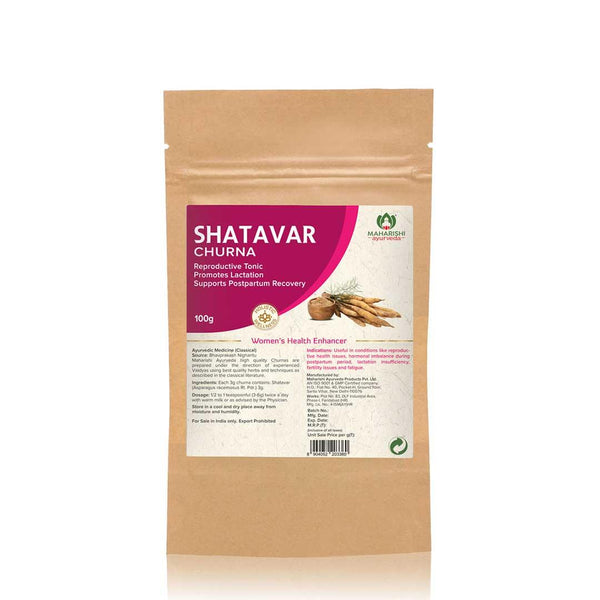
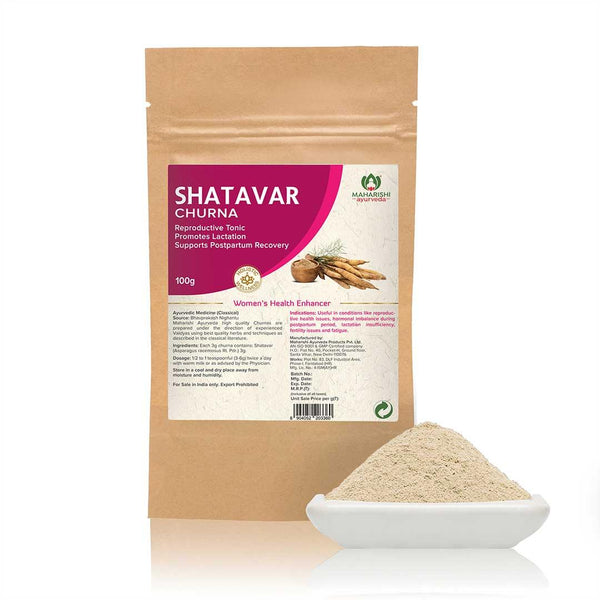
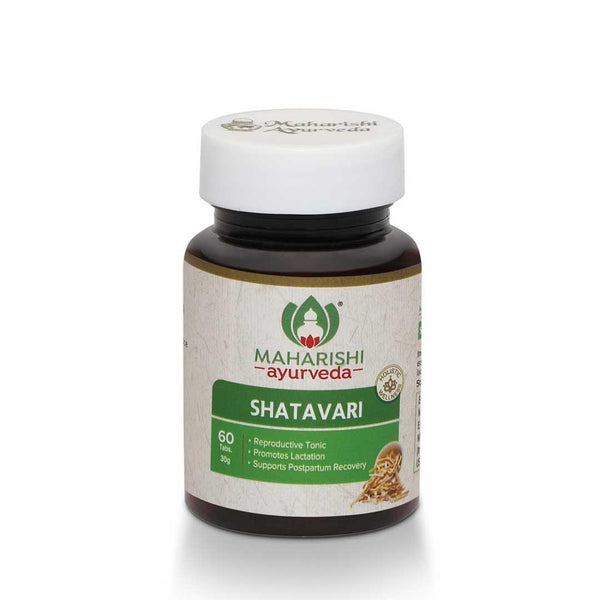
Shatavari is bitter-sweet and cooling, used as a rasayana (tonic) for the reproductive system and as a tonic for digestion and blood. It promotes reproductive health, it's good for digestion and reproduction tract, supports immunity and energy, and provides natural antioxidants.
Ashwagandha - smell like horse, popularly known for its “sleep inducing properties", both energises and calms. It supports immunity, a calm mind, healthy sleep, reproductive health, vitality, strength, and healthy endocrine and adrenal function. Its warming nature balances vata and kapha, though it may aggravate pitta in excess.
Brahmi is a classic Medhya herb, working on memory (Smriti), retention (Dhriti) and intellect (Dhi). By easing stress and anxiety, it helps the mind settle into natural sleep rhythms. As a Rasayana, it is valued for healthy ageing and its antioxidant nature, supporting sound decision-making and long-term stability of mind.
Tulsi, high in sattva, balances vata and kapha and protects ojas and prana. It is a leading adaptogen, easing stress, sharpening mental clarity, supporting lung health, and promoting healthy circulation.
Turmeric balances all three doshas and kindles agni. It supports the blood and lymph tissues, the liver, joints and immunity, and is well known for promoting clear, healthy skin.
Amla, meaning "mother and mortality indicates its powerful properties," pacifies all three doshas, especially pitta. Rich in vitamin C, antioxidants, iron and calcium, it kindles agni, strengthens bones, teeth, nails and hair, supports circulation and the heart, and calms the mind as a noted brain tonic.
Guduchi rejuvenates tissues while clearing ama. It boosts immunity, supports liver health, eases joint discomfort, soothes skin, aids digestion, supports healthy blood-sugar levels, calms the nervous system, and promotes reproductive health.
Ayurvedic Herbs at a Glance
|
Herb |
Traditional Role |
Wellness Application |
|
Reproductive rasayana; digestive tonic |
Reproductive health, digestion, immunity |
|
|
Energising, calming tonic |
Stress, sleep, strength, endocrine support |
|
|
Medhya dravya; Rasayana |
Memory, sleep, stress, healthy ageing |
|
|
Tulsi |
Adaptogen; protects ojas and prana |
Respiratory health, clarity, circulation |
|
Balances all doshas; kindles agni |
Skin, blood, liver, joint support |
|
|
Rasayana, rich in five tastes |
Digestion, hair, bones, emotional calm |
|
|
Detoxifier and rejuvenator |
Immunity, liver, joints, reproductive health |
Why Are Herbal Teas an Important Part of an Ayurvedic Routine?
Herbal tea matters not just for taste but for how it supports digestion and balances the doshas. Unlike regular tea from Camellia sinensis, ayurvedic tea is a caffeine-free infusion of herbs, spices, roots or bark, chosen for its therapeutic, not stimulating, effect since caffeine can aggravate vata and pitta.
Common ayurvedic herbal tea ingredients include ginger, tulsi, fennel, the CCF blend (cumin, coriander, fennel), cinnamon, licorice root, cardamom and ashwagandha, each selected for its taste, heating or cooling energy, and post-digestive effect.
Timing matters too: a warming ginger or CCF tea in the morning stimulates digestion; cooling fennel or mint at midday balances pitta; calming tulsi or ashwagandha in the evening settles vata for rest; and warm tea after meals supports digestion better than cold drinks.
Beyond the physical, the ritual of preparing tea, slowing down, boiling water, waiting for the infusion, is itself a form of dinacharya, a built-in pause for mindfulness. Sipping slowly, choosing tea by how the body feels, and treating tea time as quiet rather than multitasking all turn a simple cup into daily self-awareness. Maharishi Ayurveda's range of herbal infusions is crafted with exactly this philosophy in mind.
Check Out Exercises women should not ignore–>
What Should an Ayurvedic Self-Care Routine for Women Include?
A morning dinacharya should include a gentle ten-to-twenty-minute self-massage, movement, and meditation. As the day winds down, herbal tea, a lighter dinner, and a few minutes of dhyana help maintain emotional balance. Adequate sleep is essential, and research suggests women, in particular, need more rest than men do. That makes sleep hygiene a genuine health priority, not an indulgence. A short digital detox and stress-easing practices such as bhramari pranayama, anulom vilom and meditation round out the daily routine.
A further essential is Rajaswala Paricharya, the specific regime observed during the menstrual cycle, involving extra rest and reduced exertion, since added strain during this time aggravates vata and can lead to vata-related disorders.
How Does Ayurvedic Nutrition Support Women's Wellness?
Ayurvedic nutrition means eating according to one's agni, filling only three-quarters of the stomach, and favouring seasonal, regional, warm and freshly prepared meals over cold or reheated food. Many women unknowingly under-hydrate, skipping meals and reaching for tea instead of water through a busy day, making mindful hydration a simple but often-overlooked priority.
Iron-rich foods such as amla, kishmish, munakka, guava, pomegranate, and other calcium-rich foods like makhana and milk, take on added importance during perimenopause and lactation. For emotional and mood stability, traditional nourishing beverages are valued: milk with saffron for mood, milk with shatavari or ashwagandha for sleep and strength, and herbal infusions with rose and ashoka bark for cycle regularity.
How Can You Build a Daily Ayurvedic Wellness Routine?
|
Time |
Ayurvedic Habit |
|
Morning |
Warm water, herbal tea, yoga |
|
A nourishing meal |
|
|
Afternoon |
Mindful hydration |
|
Evening |
Herbal tea, light dinner, dhyana for emotional balance |
|
Night |
Calming herbal infusion, gentle foot massage, quiet reading, adequate sleep |
What Are the Best Daily Habits for Long-Term Women's Wellness?
A balanced diet eaten according to agni, a daily herbal tea ritual, regular movement, yoga, meditation, adequate sleep, consistent hydration, active stress management, and routines adjusted with the seasons, practised steadily, these habits build resilience over time far more than any single remedy.
Conclusion
Ayurvedic wellness for women was never meant to be a grand overhaul. It is built from small things, a cup of herbal tea taken slowly, a few quiet minutes before bed, a meal eaten warm rather than rushed. Herbs like shatavari, ashwagandha and guduchi, held within Maharishi Ayurveda's range of formulations, exist to support this rhythm, not replace it.
Explore: Women's wellness products–>
Popular Posts

Types of Headaches: Types, Causes, Symptoms and Relief Options
22 Oct, 2026You might consider a headache at the end of a long day when fatigue is felt. However, if pain com...
Read more
Home Remedies for Migraine: Simple Remedies and When to See a Doctor
16 Oct, 2026Migraine is more than an ordinary headache that strikes at the worst time. People are eager to fi...
Read more
What Is Metabolic Health and Why Does It Matter for Weight Management?
15 Oct, 2026Metabolic health refers to how effectively the body manages blood sugar, blood pressure, blood fa...
Read moreRecommended Products


Reduces stress and anxiety, Strengthens the immune health, Certified by ECOCERT



Boosts energy and stamina , Reduces stress, Helps overcome fatigue , Non-hormonal, Safe for long-term use, Clinically tested


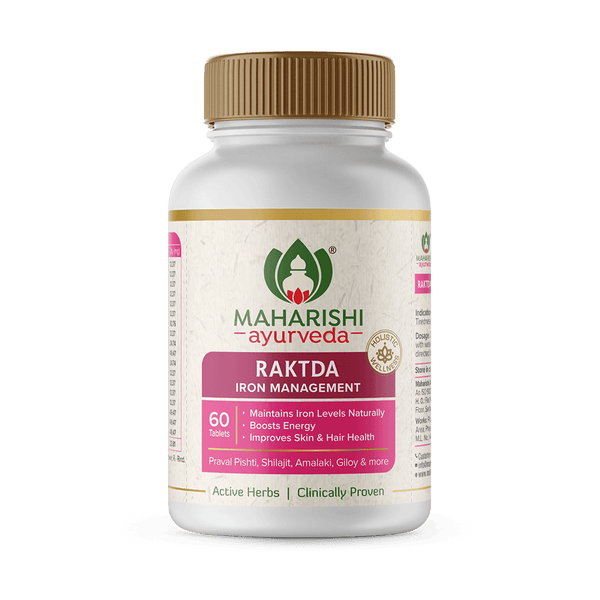
Enhances the body's ability to absorb iron naturally, Rich source of iron and calcium, Contains Vitamin C, 100% Organic