FILTERS
What Should I Eat During Monsoon According to Ayurveda?
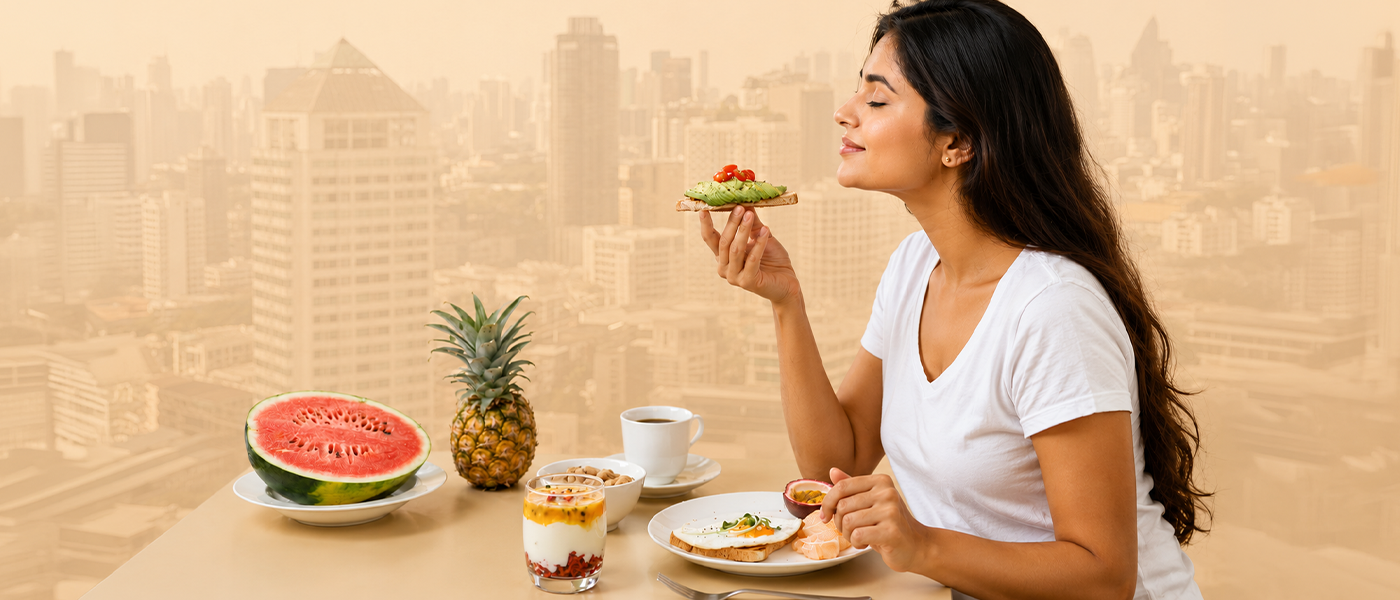
According to Ayurveda, the ideal monsoon diet includes warm, freshly cooked, light, and easily digestible foods such as khichdi, dal, soups, steamed vegetables, ginger tea, cumin water, and seasonal fruits. These foods help support Agni, improve digestion, balance Vata, manage accumulated Pitta, and strengthen seasonal immunity.
Monsoon brings relief from summer heat, but it also brings humidity, dampness, infections, weak digestion, and food safety concerns. In Ayurveda, the rainy season is known as Varsha Ritu, a time when the body’s digestive fire, or Agni, becomes weaker.
This is why Ayurveda recommends a different diet during monsoon. Instead of heavy, cold, stale, fried, or raw foods, the focus shifts to warm cooked meals, digestive spices, boiled water, herbal teas, light grains, soups, and simple meals like khichdi.
The goal is not complicated. Eat food that is fresh, warm, light, and easy to digest.
TL;DR – Ayurvedic Monsoon Diet & Food Tips
- Monsoon Weakens Digestion: Ayurveda says Agni becomes weaker during Varsha Ritu, so food should be warm, fresh, light, and easy to digest.
- Best Foods Are Simple and Cooked: Khichdi, moong dal, soups, steamed vegetables, rice, millet porridge, ginger tea, cumin water, and seasonal fruits are ideal choices.
- Avoid Heavy and Risky Foods: Street food, stale food, raw salads, cold drinks, excess curd at night, deep-fried snacks, and doubtful seafood can disturb digestion.
- Digestive Spices Help Support Agni: Ginger, cumin, turmeric, black pepper, ajwain, coriander, cinnamon, and garlic may support digestion and seasonal immunity when used moderately.
- Keep the Routine Clean: Drink boiled or warm water, eat at regular times, avoid overeating, keep dinner light, and choose freshly cooked meals over leftovers.
Why Does Ayurveda Recommend a Different Diet During Monsoon?
Ayurveda recommends a different diet during monsoon because digestion becomes weaker, Vata increases, Pitta starts accumulating, and immunity may become more vulnerable. Warm, light, freshly cooked foods help protect Agni and support better seasonal balance.
In Ayurveda, seasonal eating is called Ritucharya. It means adjusting food and lifestyle according to the season. During the monsoon, the outside environment becomes damp and heavy. This affects the body too.
The digestive fire, or Agni, becomes weaker. When Agni is weak, even healthy food may feel heavy. You may feel bloated, dull, sleepy after meals, or more prone to indigestion.
Ayurveda also explains that Vata dosha is aggravated during the rainy season. This can lead to gas, bloating, irregular digestion, body aches, dryness, and restlessness. At the same time, Pitta begins to accumulate, which may later show up as acidity, skin issues, heat, or irritation.
That is why Ayurvedic nutrition during monsoon focuses on:
- Strengthening digestion
- Supporting immunity
- Avoiding contaminated or stale food
- Reducing Vata imbalance
- Managing Pitta accumulation
- Eating freshly cooked, warm meals
- Using digestive herbs and spices
A good Ayurvedic diet during monsoon is not about eating less. It is about eating wisely.
What Are the Best Foods to Eat During Monsoon According to Ayurveda?

The best foods to eat during monsoon are warm, freshly cooked, light, and easy-to-digest meals such as khichdi, moong dal, vegetable soups, steamed vegetables, rice, ginger tea, cumin water, and seasonal fruits like pomegranate, apple, pear, jamun, and papaya.
Monsoon season food should be comforting but not heavy. Fried snacks may feel tempting during the rains, but they can weaken digestion when eaten too often. Ayurveda recommends simple, warm, and cooked foods that support Agni.
Warm and Freshly Cooked Foods
Warm meals are easier to digest during the rainy season. Freshly cooked food is also safer because food can spoil faster in humid weather.
Good options include:
- Khichdi
- Moong dal
- Vegetable soups
- Steamed vegetables
- Rice
- Dal-rice
- Millet porridge
- Lightly spiced vegetable stew
Khichdi is one of the best monsoon foods because it is warm, soft, nourishing, and easy to digest. Moong dal is especially useful because it is lighter than many other dals.
Immunity-Supporting Ayurvedic Foods
During monsoon, immunity may feel weaker because digestion is weak and infection risk is higher. Ayurvedic spices and herbs can be added to daily meals to support digestion and seasonal resilience.
Useful ingredients include:
Ginger helps kindle Agni. Turmeric supports the body’s natural defence. Tulsi is traditionally used for respiratory and immunity support. Black pepper, cinnamon, and garlic add warmth and help reduce heaviness.
Use these spices in moderation. The goal is to support digestion, not overload the body with heat.
Seasonal Fruits Safe During Monsoon
Fruits can be included during monsoon, but they must be fresh, washed properly, and preferably peeled where needed.
Good fruit options include:
- Pomegranate
- Apple
- Pear
- Jamun
- Papaya
Avoid cut fruits sold outside, especially during the rainy season. Because of moisture and hygiene risks, pre-cut fruits can get contaminated easily.
Papaya may support digestion. Pomegranate is light and traditionally considered good for gut balance. Apples and pears are practical, easy-to-clean options. Jamun is a seasonal Indian fruit commonly enjoyed during monsoon.
Healthy Drinks for the Rainy Season
Warm drinks are better than cold drinks during monsoon because they support digestion and reduce heaviness.
Good options include:
- Warm water
- Boiled water
- Ginger tea
- Tulsi tea
- Cumin water
- Coriander tea
- Herbal tea
- Golden milk
Cumin water and ginger tea can be useful when digestion feels sluggish. Coriander tea may be gentler and more cooling. Golden milk with turmeric can be taken at night if it suits your digestion.
What Foods Should You Avoid During Monsoon According to Ayurveda?
During monsoon, Ayurveda recommends avoiding street food, stale food, leftover meals, raw salads, cold drinks, excess curd at night, deep-fried snacks, unhygienic leafy vegetables, and seafood when freshness is uncertain. These foods may weaken digestion and increase seasonal discomfort.
Food hygiene becomes more important during the rainy season. Humidity increases the risk of food spoilage. Weak Agni also means the body may struggle to digest heavy or contaminated food.
|
Food to Avoid |
Why Avoid It During Monsoon? |
|
Street food |
Higher hygiene and contamination risk |
|
Raw salads |
May be harder to digest and contamination-prone |
|
Cold drinks |
May weaken Agni and increase heaviness |
|
Deep-fried snacks |
Heavy and difficult to digest |
|
Leftover food |
Can increase digestive discomfort |
|
Excess curd at night |
May aggravate Kapha and digestion issues |
|
Leafy vegetables if hygiene is uncertain |
Can carry dirt, insects, or germs if not cleaned well |
|
Seafood if freshness is uncertain |
Higher spoilage risk during peak monsoon |
This does not mean every leafy vegetable is bad. It means hygiene matters. If leafy vegetables are used, they should be cleaned thoroughly and cooked properly.
Curd should also be used carefully. Excess curd, especially at night, may feel heavy and Kapha-aggravating. If you want to consume curd, keep it fresh, or you can eat it like water above curd with black pepper and salt, and preferably during the day.
The biggest mistake people make during monsoon is combining weak digestion with heavy fried food, cold drinks, excess tea, late dinners, and street food. That is exactly what makes the season difficult for the gut.
What Is a Simple Ayurvedic Monsoon Diet Plan?
A simple Ayurvedic monsoon diet plan includes warm water in the morning, light breakfast, freshly cooked lunch, herbal tea in the evening, and an easy-to-digest dinner such as khichdi, soup, dal, or steamed vegetables. Meal timing and freshness matter more than variety.
Here is a sample monsoon diet plan you can follow or adapt based on your body type and appetite.
|
Time |
What to Eat |
|
Morning |
Warm water, boiled water, ginger-cumin water, or tulsi tea |
|
Breakfast |
Moong dal chilla, idli, millet porridge, light upma, or ragi dosa |
|
Mid-morning |
Apple, pear, pomegranate, papaya, or jamun |
|
Lunch |
Khichdi, dal-rice, vegetable soup, steamed vegetables, or light vegetable stew |
|
Evening |
Ginger tea, tulsi tea, cumin water, coriander tea, or herbal tea |
|
Dinner |
Light khichdi, moong soup, vegetable stew, soft rice with dal, or steamed vegetables |
|
Bedtime |
Warm water or golden milk, if suitable |
Keep breakfast light. Make lunch your main meal when digestion is stronger. Keep dinner early and simple.
Avoid eating late at night because the digestive system is already weaker during monsoon. Heavy dinners can lead to bloating, acidity, disturbed sleep, and sluggishness the next morning.
What Are the Best Indian Foods for the Rainy Season?
The best Indian foods for the rainy season include khichdi, moong dal soup, idli, ragi dosa, millet porridge, vegetable stew, dal-rice, and warm lightly spiced soups. These foods are easy to digest, comforting, and suitable for monsoon digestion.
Indian monsoon food should be warm, cooked, and not too oily. The best rainy season food in India is usually simple home-cooked food, not heavy restaurant meals.
|
Indian Monsoon Food |
Why It Works |
|
Khichdi |
Light, warm, nourishing, and easy to digest |
|
Moong dal soup |
Gentle on digestion |
|
Idli |
Steamed and light |
|
Ragi dosa |
Nourishing and warming |
|
Vegetable stew |
Warm and comforting |
|
Pepper rasam |
Supports warmth and digestion |
|
Millet porridge |
Light and filling |
|
Dal-rice |
Simple and easy to digest |
|
Steamed vegetables |
Lighter than raw salads |
|
Herbal soups |
Hydrating and digestion-friendly |
Khichdi is the strongest choice for a monsoon diet because it supports the Ayurvedic principle of simple, warm, and digestible food. It can be made with moong dal, rice, cumin, turmeric, ginger, and a little ghee.
Moong dal soup is another excellent option when appetite is low or digestion feels weak.
Idli and steamed foods are better than fried snacks because they are lighter. Ragi dosa and millet porridge can be used when you want something more filling but still warm and cooked.
What Monsoon Diet Tips Help Improve Digestion and Immunity?
To improve digestion and immunity during monsoon, eat warm freshly cooked food, drink boiled water, avoid overeating, use digestive spices, maintain regular meal timings, and avoid cold, stale, raw, or unhygienic foods.
A good healthy diet in monsoon season is built around Agni. If digestion is protected, immunity also gets better support.
Follow these monsoon diet tips:
- Eat warm meals.
- Drink boiled or warm water.
- Avoid overeating.
- Use ginger, cumin, turmeric, black pepper, coriander, and ajwain.
- Eat freshly cooked food.
- Maintain fixed meal timings.
- Avoid frequent snacking.
- Keep dinner light.
- Avoid very cold foods and drinks.
- Avoid stale and leftover food.
- Choose cooked vegetables over raw salads.
- Avoid street food when hygiene is doubtful.
Quick Ayurvedic monsoon rule:
Eat fresh. Eat warm. Eat light. Drink boiled water. Use digestive spices. Avoid street food. Keep dinner simple. Do not overload digestion with fried, cold, stale, or raw foods.
The role of digestive spices is important. Ginger, cumin, turmeric, black pepper, ajwain, and coriander help support Agni and reduce heaviness. But they should be used according to your body type. If you have acidity or excess heat, do not overuse very heating spices.
Check Out Your Gut Is Your Second Brain: 7 Digestive Warning Signs–>
What Common Diet Mistakes Should You Avoid During the Rainy Season?
Common rainy season diet mistakes include eating too much fried food, drinking excess tea or coffee, skipping meals, eating late at night, drinking cold beverages, eating street food frequently, and ignoring hydration. These habits may weaken digestion and increase seasonal discomfort.
The rainy season often creates cravings for pakoras, samosas, chai, fried snacks, and spicy street food. Once in a while may not be a problem for everyone, but daily indulgence can disturb digestion.
|
Mistake |
Better Ayurvedic Alternative |
|
Fried snacks daily |
Steamed snacks or light soups |
|
Cold drinks |
Warm water or herbal tea |
|
Street food |
Fresh home-cooked food |
|
Skipping meals |
Regular meal timings |
|
Late dinner |
Early light dinner |
|
Excess tea or coffee |
Ginger tea, tulsi tea, or cumin water |
|
Raw salads |
Steamed vegetables |
|
Leftover food |
Freshly cooked food |
|
Poor hydration |
Boiled to warm water |
|
Heavy dinner |
Khichdi, soup, or moong dal |
Another mistake is drinking too much tea or coffee while still being dehydrated. Monsoon weather may reduce thirst, but the body still needs fluids. Warm water, herbal tea, cumin water, and soups can support hydration without weakening digestion.
Skipping meals is also a problem. Irregular meals can aggravate Vata and disturb Agni. Eat at regular times, even if the meal is light.
Which Dosha Is Most Affected During the Rainy Season?
During the rainy season, Vata is commonly aggravated due to dampness, irregular weather, and weakened digestion. Pitta also starts accumulating during this season. That is why Ayurveda recommends warm, light, and easy-to-digest foods.
Vata aggravation can show up as gas, bloating, irregular appetite, body aches, dryness, anxiety, or disturbed sleep. Pitta accumulation may later show up as acidity, skin irritation, heat, or inflammation.
A proper monsoon diet helps manage both. Warm cooked meals pacify Vata. Mild spices support Agni. Avoiding excess sour, oily, and spicy foods can help prevent Pitta aggravation.
What Is Ritucharya and Why Is It Important During Monsoon?
Ritucharya means seasonal routine in Ayurveda. It helps you adjust your diet and lifestyle according to seasonal changes. During monsoon, Ritucharya focuses on protecting digestion, balancing Vata, managing Pitta accumulation, and supporting immunity.
Every season affects the body differently. What suits summer may not suit monsoon. What feels good in winter may feel too heavy during the rainy season.
During monsoon, Honey is highly recommended during varsha ritu as it helps dry out body’s dampness and helps combat accumulation of toxins (ama) and protects weakened digestive fire (agni). Ritucharya also recommends:
- Warm, fresh food
- Boiled water
- Digestive spices
- Light meals
- Avoiding stale and raw foods
- Avoiding excess curd and fried foods
- Protecting digestion
- Following regular meal timings
This seasonal adjustment is the core of Ayurvedic nutrition.
Click Here How to improve Gut Health Naturally At Home with Ayurveda –>
Is Curd Good During the Monsoon According to Ayurveda?
Curd is generally not recommended in excess during monsoon, especially at night, because it may be heavy and Kapha-aggravating. If consumed, it should be fresh, in small quantity, and preferably during the day.
Curd can feel heavy on weak digestion. During monsoon, Agni is already low, so excess curd may lead to heaviness, mucus, bloating, or discomfort in some people.
If you want to include curd, avoid taking it cold from the fridge. Avoid eating it at night. Keep the portion small and make sure it is fresh.
People with Kapha issues, cough, cold, congestion, or weak digestion should be more careful.
Can Herbal Teas Be Consumed Daily During the Rainy Season?
Yes, mild herbal teas such as ginger tea, tulsi tea, cumin water, coriander tea, or fennel tea can be consumed daily if they suit your body. People with acidity, pregnancy, medical conditions, or medication use should choose herbs carefully.
Herbal teas are useful during monsoon because they are warm, light, and supportive for digestion.
Good options include:
- Ginger tea for sluggish digestion
- Tulsi tea for seasonal wellness
- Cumin water for digestive support
- Coriander tea for a gentler cooling effect
- Fennel tea for bloating comfort
- Golden milk if suitable at night
Do not make every tea too strong. A mild daily herbal tea is better than an aggressively spiced drink that irritates the stomach.
How Can You Maintain Digestive Balance During Varsha Ritu?
To maintain digestion during Varsha Ritu, eat warm freshly cooked meals, avoid raw and stale food, drink boiled water, use digestive spices, and keep meals light. Avoid overeating and late-night dinners.
The main focus should be Agni. When Agni is strong, food is digested well. When Agni is weak, even good food may create heaviness.
To maintain digestive balance:
- Eat at regular times.
- Avoid overeating.
- Do not eat late at night.
- Choose khichdi, soups, dal, and steamed vegetables.
- Avoid cold drinks and raw salads.
- Sip warm water.
- Add spices like cumin, ginger, turmeric, and ajwain.
- Avoid eating when the previous meal has not digested.
A simple diet is not boring during monsoon. It is intelligent.
Why Does Ayurveda Recommend Freshly Cooked Food During Monsoon?
Ayurveda recommends freshly cooked food during monsoon because digestion is weaker and stale food can be harder to digest. Fresh warm meals are lighter, safer, and better for maintaining Agni.
Humidity increases the risk of food spoilage. Leftover food may not always look spoiled, but it can still feel heavy and cause digestive discomfort.
Freshly cooked food has warmth, moisture, and digestibility. It is easier for the body to process than cold, refrigerated, stale, or reheated meals.
This is why khichdi, soups, dal, steamed vegetables, and warm rice-based meals are preferred.
What Is the Role of Digestive Spices in an Ayurvedic Monsoon Diet?
Digestive spices such as ginger, cumin, turmeric, black pepper, ajwain, and coriander help support Agni, reduce heaviness, improve digestion, and support seasonal immunity.
During monsoon, digestive spices are useful because they make simple food more supportive.
Common spices and their uses:
|
Spice |
Ayurvedic Use During Monsoon |
|
Ginger |
Kindles Agni and supports digestion |
|
Cumin |
Supports digestion and reduces heaviness |
|
Turmeric |
Supports immunity and seasonal resilience |
|
Black pepper |
Adds warmth and supports metabolism |
|
Ajwain |
Useful for gas and bloating |
|
Coriander |
Gentler and cooling for Pitta |
|
Cinnamon |
Adds warmth and supports Kapha balance |
|
Garlic |
Traditionally used for warmth and immunity support |
Do not overuse spices if you have acidity, burning, ulcers, or strong Pitta symptoms. Use them according to your body.
Can Warm Water Support Digestion During the Rainy Season?
Yes, warm or boiled water can support digestion during the rainy season. It is lighter on the stomach than cold water and may help reduce sluggishness, bloating, and heaviness.
Cold water can weaken Agni in some people, especially when digestion is already low. Warm water is gentler and supports the body’s natural digestive rhythm.
You can sip warm water through the day. Boiled water is especially useful during monsoon from a hygiene perspective.
If plain warm water feels boring, you can occasionally use mild cumin water, coriander water, or ginger water depending on your body type.
What Is the Best Food to Eat in Monsoon?
Khichdi is one of the best foods to eat in monsoon because it is warm, light, nourishing, and easy to digest. Moong dal soup, steamed vegetables, rice, dal, and herbal soups are also good choices.
A good monsoon meal should be:
- Fresh
- Warm
- Light
- Cooked
- Mildly spiced
- Easy to digest
Khichdi fits all these requirements. It can be made with moong dal, rice, cumin, turmeric, ginger, and a little ghee.
If digestion is very weak, moong dal soup or vegetable soup may be better than a heavy meal.
Check Out The balance between diet and detoxification–>
What Foods Should Be Avoided in the Rainy Season?
Avoid street food, leftover food, raw salads, cold drinks, deep-fried snacks, excess curd at night, and seafood when freshness is uncertain. These foods can weaken digestion or increase seasonal health risks.
The main foods to avoid are:
- Street food
- Stale food
- Leftover food
- Raw salads
- Cold beverages
- Deep-fried snacks
- Excess curd at night
- Unhygienic leafy vegetables
- Seafood during peak monsoon when freshness is doubtful
- Heavy sweets and oily foods
This does not mean you can never enjoy seasonal snacks. But if digestion is weak, keep fried foods occasional and balance them with lighter meals throughout the day.
Final Takeaway
An Ayurvedic monsoon diet should be warm, fresh, light, and easy to digest. The best foods include khichdi, moong dal, soups, steamed vegetables, rice, ginger tea, cumin water, tulsi tea, and seasonal fruits like pomegranate, apple, pear, jamun, and papaya.
The rainy season is not the time to overload digestion with cold drinks, fried snacks, stale food, street food, or raw salads. Protecting Agni is the priority.
Eat fresh. Drink warm. Use digestive spices. Keep meals simple. Avoid overeating. Respect the season.
That is the Ayurvedic way to eat during monsoon.
Popular Posts

Low AMH: What It Means for Fertility
14 Oct, 2026A calm, clear guide for women who have just seen that number on a report. Meera was 32 when the l...
Read more
Varicose Veins Symptoms: Causes, Early Signs and Ayurvedic Management
05 Oct, 2026Varicose veins are enlarged, twisted veins that commonly appear on the legs, feet, and ankles, o...
Read more
Himalayan Pink Salt Benefits: Uses, Nutrition and What to Know
29 Sep, 2026A pinch of salt seems simple, yet Ayurveda has always looked closely at simple things: their tas...
Read more