FILTERS
FILTERS
FILTERSWhy Do I Keep Getting UTIs? Recurrent UTI Causes & Ayurveda
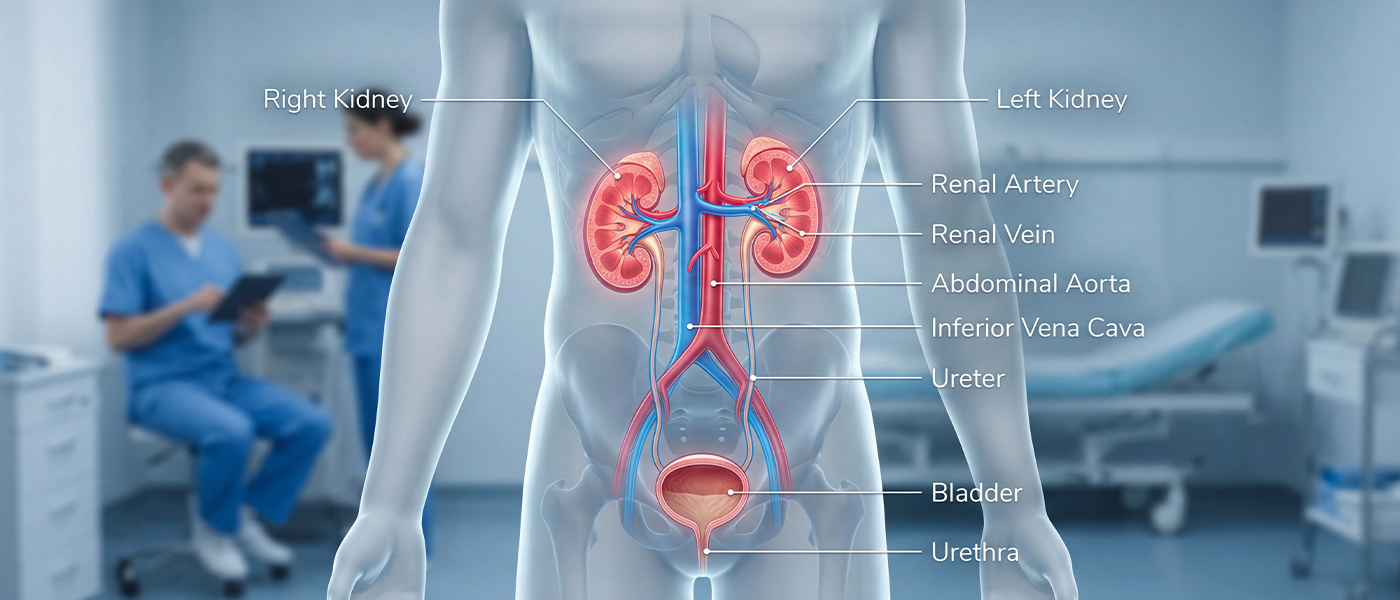
A urinary tract infection may clear with appropriate treatment, only to return weeks or months later. If this happens repeatedly, it may be considered a recurrent UTI.Recurrent urinary tract infections are generally defined as two or more UTIs within six months or three or more within 12 months.
Women are affected considerably more often because of anatomical and hormonal factors, although recurring UTIs in men can require particular investigation.
Modern medicine looks for factors such as bacterial reinfection, menopause, incomplete bladder emptying, urinary stones, diabetes or structural urinary problems. Ayurveda links such infections to compromised immunity and disturbances in the Mutravaha Srotas (urinary channels), associated with aggravated Pitta Dosha, which generates heat. A holistic approach addresses root causes through diet, lifestyle, digestion, and doshic rebalancing to control recurrence.
TL;DR – What Should You Know About Recurrent UTIs?
- Recurrent UTIs Have a Clear Pattern: A recurrent UTI usually means two or more infections within six months or three or more within one year.
- Common Symptoms Should Not Be Ignored: Burning urination, frequent urges, lower abdominal discomfort, cloudy urine, or bloody urine can indicate a urinary infection.
- Several Factors Can Trigger Frequent UTIs: Reinfection, menopause, sexual activity, incomplete bladder emptying, diabetes, stones, or urinary abnormalities may contribute to recurrence.
- Warning Signs Need Prompt Care: Fever, chills, nausea, vomiting, or back and side pain may suggest kidney involvement and require medical attention.
- Ayurveda Can Complement Care: Ayurveda views burning and difficult urination through Mutrakricchra, Pitta, Apana Vata, and urinary channels, but it should not replace proper diagnosis or infection treatment.
What Is a Recurrent UTI?
A recurrent UTI, also called a recurring UTI, means urinary tract infections keep returning after earlier episodes have resolved.
Clinical guidelines generally define recurrent UTI in adults as:
|
Frequency |
Definition |
|
Within 6 months |
2 or more UTIs |
|
Within 12 months |
3 or more UTIs |
- urethra
- bladder
- ureters
- kidneys
Most commonly, symptoms come from a lower urinary tract or bladder infection.
Typical bladder infection symptoms include burning during urination, frequent or intense urges to urinate, lower abdominal discomfort, and urine that may appear cloudy or bloody.
Why Do I Keep Getting Urinary Tract Infections?
If you keep asking, “Why do I keep getting urinary tract infections?”, there may not be one single explanation.
Recurring infections can result from a combination of biological, hormonal, anatomical and lifestyle factors.
Common possibilities include:
|
Possible factor |
How it may contribute |
|
Reinfection |
New bacteria enter the urinary tract after an earlier infection clears |
|
Incomplete bladder emptying |
Residual urine can make bacterial persistence easier |
|
Menopause |
Lower oestrogen can change vaginal and urinary tissues |
|
Sexual activity |
Can increase movement of bacteria toward the urethra |
|
Urinary stones |
May contribute to obstruction or recurrent infection |
|
Enlarged prostate |
Can interfere with bladder emptying in men |
|
Diabetes |
Can increase susceptibility to infection |
|
Structural urinary problems |
May interfere with normal urinary drainage |
|
Catheter use |
Can increase infection risk |
|
Pregnancy |
Changes in the urinary system can alter UTI risk |
Women are particularly susceptible because the female urethra is shorter and closer to the anus, making it easier for bacteria to reach the bladder. NIDDK also identifies sexual activity and menopause as factors associated with increased bladder-infection risk.
What Are the Most Common Causes of Recurrent UTI?
The causes of recurrent UTI vary from person to person.
Can a UTI Return After Treatment?
Yes.A later episode may represent:
- a new infection
- persistence of the original infection
- infection with a resistant organism
- another condition producing similar urinary symptoms
If symptoms remain after antimicrobial treatment, guidelines recommend reassessment and, where appropriate, repeat urine culture rather than repeatedly assuming the same infection is present.
Can Not Emptying the Bladder Properly Cause Frequent UTIs?
It can increase the risk.Normally, urination helps remove bacteria from the bladder.
Conditions that interfere with complete bladder emptying can therefore make recurrent infection more likely.
Examples include:
- enlarged prostate
- neurological bladder problems
- pelvic organ prolapse
- urinary obstruction
- some structural abnormalities
Can Kidney Stones Cause Recurrent UTIs?
Urinary stones can sometimes contribute to recurring infection, particularly when they interfere with urinary drainage.
If recurrent infection occurs alongside flank pain, blood in the urine or a history of stones, further medical investigation may be necessary.
Learn more about kidney stones and Ayurveda.
Can Diabetes Increase the Risk of Recurrent UTIs?
Diabetes is one of the conditions that can make a lower UTI more complicated or more likely to persist or recur. NICE specifically includes diabetes-related weakened immunity among factors that can predispose a person to recurrent or persistent infection.
People with diabetes and repeated urinary infections should therefore discuss recurrence with their healthcare professional rather than repeatedly self-treating symptoms.
What Are the Symptoms of a Recurrent UTI?
A recurrent UTI generally produces the same symptoms as another episode of bladder infection.
Common symptoms include:
- burning or pain while urinating
- frequent urge to urinate
- passing small amounts of urine frequently
- lower abdominal discomfort
- cloudy urine
- bloody urine
- unusually strong-smelling urine
The important distinction is frequency of episodes, not a unique set of symptoms.
If similar symptoms keep returning, confirmation of whether each episode is actually a UTI becomes increasingly important.
Why Are Recurrent UTIs More Common in Females?
Searches for “recurrent UTI female” are common because women are substantially more likely to experience bladder infections than men.
NIDDK notes that about half of women will experience a bladder infection during their lifetime, and around a quarter of those women experience repeat infections.
Several factors explain the difference.
How Does Female Anatomy Affect UTI Risk?
The female urethra is shorter and positioned closer to the anus.
This gives bacteria a shorter route into the urinary tract.
Why Can Sexual Activity Be Linked With Recurrent UTIs?
Sexual activity can increase the likelihood of bacteria reaching the urethral opening.This does not mean a UTI is necessarily a sexually transmitted infection.
The mechanisms and organisms are different, although certain sexually transmitted infections can produce urinary symptoms that resemble a UTI.
Why Can UTIs Increase During Menopause?
Hormonal changes around perimenopause and menopause can alter vaginal and urinary tissues and reduce protective bacterial populations.
For women experiencing recurrent UTIs during or after menopause, current NICE guidance says vaginal oestrogen may be considered when behavioural and personal-hygiene measures have not been sufficient or appropriate.
This requires discussion with a healthcare professional and should not be self-prescribed.
Why Can Recurrent UTI in Men Need More Investigation?
UTIs occur less commonly in younger men than in women.Because of this, recurrent UTI in men deserves particular attention.
Potential underlying factors can include:
- enlarged prostate
- urinary obstruction
- prostatitis
- kidney or urinary stones
- incomplete bladder emptying
- structural urinary abnormalities
Clinical guidance recommends further investigation for recurrent or relapsing UTIs in men because an underlying urinary or prostate problem may be present.
Men experiencing repeated urinary infections should therefore avoid simply treating each episode independently without investigating why the infections are recurring.
Is a Chronic UTI the Same as a Recurrent UTI?
Not exactly.Recurrent UTI has a clearer clinical definition based on repeated separate infections.The term chronic UTI is often used more loosely to describe persistent or repeatedly returning urinary symptoms.
That distinction matters because ongoing burning, urgency or pelvic discomfort is not always caused by persistent bacterial infection.Other conditions can sometimes mimic UTI symptoms.
This is one reason urine testing and clinical evaluation become particularly important when symptoms repeatedly return or fail to respond as expected.
Can Recurrent UTIs Affect Kidney Health?
Most uncomplicated UTIs involve the lower urinary tract, particularly the bladder.
However, a bladder infection that is not adequately treated can sometimes spread upward through the ureters and infect one or both kidneys. This is known as pyelonephritis.
A kidney infection is more serious than an uncomplicated bladder infection and requires prompt medical treatment.
What Symptoms Can Suggest a Kidney Infection?
Warning signs include:
- fever
- chills
- pain in the back, side or groin
- nausea
- vomiting
- frequent or painful urination
- cloudy, dark, bloody or foul-smelling urine
If urinary symptoms occur alongside fever and flank or back pain, seek medical care rather than relying on home remedies.
How Are Recurrent UTIs Diagnosed?
Diagnosis may involve:
- discussion of symptoms and previous infections
- urine testing
- urine culture
- medical history
- physical examination
- evaluation of risk factors
When infections repeatedly recur, a healthcare professional may also consider whether further investigation is necessary.
This can include checking for:
- urinary stones
- incomplete bladder emptying
- obstruction
- anatomical abnormalities
- prostate problems in men
- kidney involvement
Urine culture can be particularly useful when previous treatments have failed or when antibiotic resistance is suspected.
How Is Recurrent UTI Treated Medically?
Treatment depends on whether there is an active infection and why recurrence is happening.
Bladder infections are commonly treated with antibiotics when clinically indicated.
For people with repeated infections, medical management can also involve strategies aimed at preventing future episodes.
Current NICE guidance includes several options depending on the patient's circumstances, such as:
- behavioural and personal-hygiene measures
- vaginal oestrogen during or after menopause where appropriate
- single-dose antibiotic prophylaxis in selected cases
- methenamine hippurate in certain adults
- daily antibiotic prophylaxis in selected patients
These are medical decisions requiring individual assessment.
Repeatedly taking antibiotics without appropriate evaluation is not the same as managing recurrent UTI effectively.
What Does Ayurveda Say About Recurrent UTIs?
Ayurveda does not use the modern diagnostic label “UTI” in exactly the same way contemporary medicine does.
However, urinary symptoms such as painful or difficult urination are traditionally discussed under Mutrakricchra and related disturbances of the Mutravaha Srotas, or urinary channels.
From an Ayurvedic perspective, symptoms characterised by heat and burning may be interpreted through Pitta aggravation.
Pitta may be considered alongside Apana Vata, the subtype of Vata associated with downward movement and elimination.
Learn more about Pitta Dosha, its symptoms and balancing principles.
This traditional interpretation should be viewed as an Ayurvedic framework, not as an explanation for bacterial infection.
Bacterial UTIs still require appropriate medical diagnosis and management.
How Does Ayurveda Interpret Heat and Burning During Urination?
Burning sensations are traditionally associated with aggravated Pitta because Pitta possesses qualities of heat and sharpness.
An Ayurvedic assessment may therefore consider:
- excessive intake of very spicy foods
- alcohol
- insufficient hydration
- irregular routines
- bowel habits
- digestive imbalance
- suppression of the urge to urinate
The objective is not to claim that lowering Pitta kills bacteria.
Rather, the Ayurvedic approach aims to support overall urinary comfort and restore balance alongside appropriate conventional care.
What Is the Role of Apana Vata in Urinary Health?
In Ayurveda, Apana Vata governs downward-moving functions including urination and bowel elimination.
Practices such as repeatedly suppressing the urge to urinate are therefore discouraged.
A regular elimination routine and attention to constipation may form part of the traditional lifestyle approach to urinary wellbeing.
This also has a practical modern parallel: regular bladder emptying is one of the body's mechanisms for helping remove bacteria from the urinary tract.
Which Ayurvedic Herbs Are Traditionally Used for Urinary Support?
Ayurvedic practice traditionally uses a number of herbs and formulations for urinary-system support.
These may include herbs such as:
- Gokshura
- Punarnava
- Guduchi
- other herbs selected according to the individual's constitution and presentation
Want to know your dosha type? Take our Dosha Test now.
Classical formulations may also be selected by a qualified Vaidya.
However, an important distinction needs to be maintained:
Herbs can also interact with medicines or be unsuitable in certain health conditions, pregnancy or kidney disease.For recurrent infections, professional guidance is preferable to self-prescribing multiple formulations.
Can Diet Help Support Urinary Health?
Diet cannot eliminate an established bacterial UTI, but sensible dietary habits can support general wellbeing and hydration.
From a practical and Ayurvedic perspective:
- drink adequate fluids unless your doctor has advised fluid restriction
- avoid becoming chronically dehydrated
- eat a balanced diet
- address persistent constipation
- avoid excessive foods that consistently aggravate your digestive or urinary discomfort
- moderate alcohol intake
Ayurveda may additionally recommend reducing excessively hot, spicy or irritating foods when prominent burning symptoms are interpreted as Pitta-related.
How Can You Reduce the Risk of Frequent UTIs?
There is no single habit that guarantees UTIs will never return, but several practical measures can reduce avoidable risk.
Should You Avoid Holding Urine for Long Periods?
Yes.Regular bladder emptying helps remove bacteria that may enter the urinary tract.Try not to repeatedly postpone urination for long periods.
Does Hydration Matter for Urinary Health?
Adequate hydration supports normal urine production and bladder emptying.
However, more water is not automatically better.People with kidney, heart or other conditions requiring fluid restriction should follow their doctor's advice.
Does Constipation Matter?
Constipation can interfere with comfortable bladder emptying in some people and should not be ignored when recurrent urinary symptoms occur.
Regular bowel habits are also emphasised in Ayurveda because of the relationship between elimination and Apana Vata.
Should Intimate Hygiene Products Be Used to Prevent UTIs?
More hygiene is not necessarily better.
Harsh scented washes, douching and unnecessary intimate products may irritate sensitive tissues.Basic gentle hygiene is preferable.
What Should Women Around Menopause Know?
If recurrent UTIs begin or worsen around perimenopause or menopause, discuss this specifically with a healthcare professional.
Hormonal changes may be contributing, and vaginal oestrogen is one evidence-based preventive option for appropriate patients.
When Should You Seek Medical Help for a Recurrent UTI?
Repeated UTIs deserve medical evaluation rather than endless cycles of self-treatment.
Seek prompt medical advice if urinary symptoms occur alongside:
- fever or chills
- pain in the back, side or groin
- nausea or vomiting
- visible blood in the urine
- severe or worsening pain
- pregnancy
- significant weakness
- confusion
- symptoms that do not improve with treatment
Kidney infections can become serious if they are not treated promptly.Men with recurring UTIs should also be evaluated for possible underlying urinary or prostate problems.
What Is the Key Takeaway About Recurrent UTIs?
A recurrent UTI is not simply “the same infection happening again.”
Repeated urinary infections can have multiple causes, including reinfection, hormonal changes, incomplete bladder emptying, diabetes, urinary stones, prostate problems and structural abnormalities.
The most useful approach is therefore to identify why the infections keep returning, not simply treat each episode in isolation.
Ayurveda can add a complementary perspective by considering urinary comfort, Pitta, Apana Vata, digestion, hydration and daily habits. But recurrent bacterial infections, kidney warning signs or persistent urinary symptoms require appropriate medical assessment.
FAQS
Recurrent UTIs often result from incomplete bacterial eradication, poor bladder emptying, hormonal changes, or weakened immunity. Ayurvedically, repeated episodes suggest Pitta imbalance and compromised Mutravaha Srotas.
Common symptoms include burning urination, frequent urge to pass urine, pelvic discomfort, cloudy or foul-smelling urine, and occasionally low-grade fever. Recurrent cases often present with milder but persistent symptoms.
Yes. Ayurveda addresses root causes by pacifying Pitta, cleansing urinary channels, balancing digestive fire, and strengthening immunity, thereby reducing recurrence.
Treatment is individualised. Gokshura and Punarnava are noted for their diuretic properties and flow support, whilst Guduchi reduces inflammation. Formulations such as Chandraprabha Vati, Gokshradi Guggul, and Trinpanchamool Kashayam are effective. Shwet Parpati and Prawal Panchamrit Ras are particularly recommended for heat reduction.
Yes. Women face increased susceptibility due to shorter urethra length and hormonal factors, particularly during sexual activity, pregnancy, or menopause.
Maintain adequate hydration, avoid urine retention, practise proper hygiene, reduce excessively spicy or acidic foods, and support digestion and immunity.
No. Frequent urination can result from high fluid intake, diabetes, anxiety, or bladder sensitivity. Burning, pain, or fever typically indicate infection.
Ayurveda may provide supportive guidance around hydration, diet, digestion, bowel habits, Pitta balance and urinary wellbeing. However, it should complement not replace medical diagnosis and appropriate treatment of bacterial urinary tract infections.
Popular Posts

Home Remedies for Migraine: Simple Remedies and When to See a Doctor
16 Oct, 2026Migraine is more than an ordinary headache that strikes at the worst time. People are eager to fi...
Read more
What Is Metabolic Health and Why Does It Matter for Weight Management?
15 Oct, 2026Metabolic health refers to how effectively the body manages blood sugar, blood pressure, blood fa...
Read more
Low AMH: What It Means for Fertility
14 Oct, 2026A calm, clear guide for women who have just seen that number on a report. Meera was 32 when the l...
Read moreRecommended Products


Chandanasava- For Healthy Kidneys
1 See all reviews
Supports memory and mental clarity, Improves concentration, Clams the mind and promotes relaxation, Certified by ECOCERT