FILTERS
Triphala or Ashwagandha for Low Energy? Choosing the Right Herb

Energy is more than calories; it reflects the flow of life. In Ayurveda, fatigue is often a sign that our doshas and digestive fire are out of balance, not just a lack of sleep or food. Rather than chasing quick fixes, Maharishi Ayurveda encourages us to honour the deeper connection between mind, body and energy and to choose herbs that address the root cause.
Why Low Energy Happens (Ayurvedic View)
Anaemia, poor diet, immobility, sleep or chronic stress may be the cause of low energy. Ayurveda recognises these causes but also looks at how prana (life force), agni (digestive fire) and ojas (vital reserve) flow through the rakta dhatu (blood).
When prana flows freely, agni digests well and ojas is strong, we feel vital. An excess of vata can deplete rakta and ojas; pitta can burn them out; kapha can make us heavy and lethargic. Understanding which dosha is out of balance helps us choose the right herb.
Triphala Benefits for Energy & Digestion

What is Triphala?
Triphala translates as three fruits and comprises amalaki, haritaki and vibhitaki. This classic rasayana balances Kapha and Pitta, kindles agni and gently stimulates appetite while nourishing and strengthening the tissues.
Triphala Benefits and Uses
Some of the key benefits of triphala churna are that it:
- Detoxifies and cleanses the digestive tract, which enhances the absorption of nutrients and removes sluggishness
- Stimulates circulation through practices like dry brushing and Udvartana (herbal powder massage)
- Strengthens agni and cleanses the gut, indirectly boosting energy
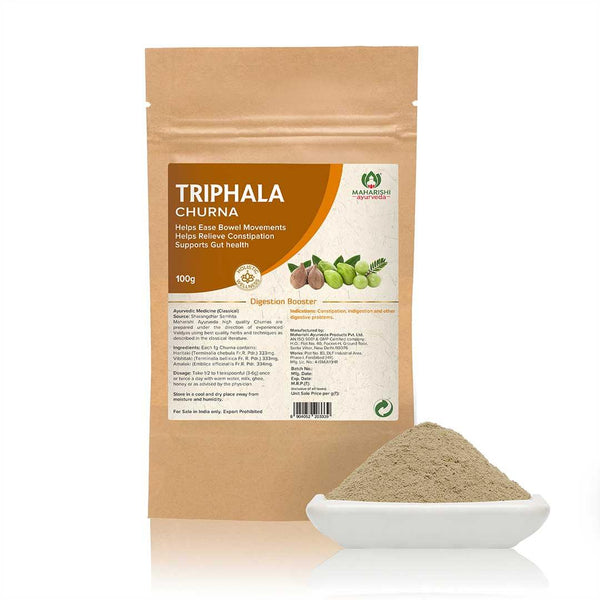
By enhancing digestive power and removing toxins, triphala is ideal for fatigue linked to bloating, sluggish digestion or toxin build-up.
When is Triphala Ideal?
Triphala is an appropriate match for fatigue accompanied by:
- Bloating
- Kapha imbalance
- Toxin buildup
Taken in the morning with ghee, it can support low rakta (blood). It is gentle enough to be a daily tonic, but consult a vaidya (Ayurvedic practitioner) for personal advice.
The praises of triphala are found in an ancient Shloka of the Charaka (Chikitsa Sthana 1): "Tṛṇa‑phalāni rasāyanānām… āyuṣyānī balapradāni" – "The three fruits among rejuvenating formulas promote longevity and impart strength." This ancient verse teaches us that triphala is not merely a laxative but a true rasayana that fosters life itself.
Ashwagandha Benefits for Stress & Vitality
What is Ashwagandha?
Ashwagandha (Withania somnifera), also called Balada, is a revered rasayana that pacifies vata and kapha and nourishes all dhatus (tissues). Maharishi Ayurveda uses it as an adaptogen and tonic for depletion.
Adaptogenic Effects
Chronic stress drains ojas and prana. Ashwagandha works by:
- Decreasing stress through the maintenance of cortisol levels
- Relaxing the mind and calming nervous tension
- Supplying tissues with nourishing properties
- Enhancing stamina and promoting restorative sleep
- Providing natural energy without overstimulation
How to Consume Ashwagandha
Ashwagandha may be consumed in several forms:
- Powder (ashwagandha churna)
- Tablet form
- Classical preparations such as Ashwagandhadi lehyam, Ashwagandharisht
Traditionally, it is taken twice daily with warm milk or ghee, though a vaidya can advise the best dosage for your constitution.
Ashwagandha Churna: Natural Support for Stress & Vitality
Experience holistic balance and improved energy levels with this Ayurvedic adaptogen.
Buy Now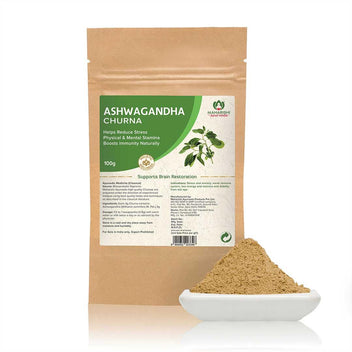
Can Ashwagandha Be Taken Daily?
Yes – ashwagandha can be safely used in daily doses. Regular use builds long-term energy and immunity.
A Shloka in Bhāvaprakāśa Nighaṇṭu praises ashwagandha for bestowing sleep and the strength of a stallion, reminding us that it nurtures both rest and vigour.
Triphala vs Ashwagandha
Although both triphala and ashwagandha are rasayana herbs, they work in very different ways. Triphala is primarily a digestive tonic, whereas ashwagandha is an adaptogen for the nervous system.
|
Feature |
Triphala |
Ashwagandha |
|
Nature |
Digestive tonic |
Adaptogen |
|
Primary support |
Detox support |
Stress support |
|
Fatigue focus |
Gut-related fatigue |
Nervous fatigue |
|
Dosha action |
Balances Tridosha |
Pacifies Vata & Kapha |
|
Key benefits |
Cleanses, improves agni, regulates apana vayu |
Nourishes dhatus, builds ojas, promotes restful sleep |
Triphala works on the gut, increasing appetite and improving digestion. Ashwagandha works on the mind and nervous system, reducing stress and building strength. Both can be used together to address complex patterns, but understanding their differences allows for wiser choices.
Which Herb Should You Choose?
Choose Triphala when fatigue is linked to:
- Bloating
- Kapha imbalance
- Toxin accumulation
Choose Ashwagandha when fatigue comes with:
- Anxiety
- Stress
- Sleeplessness
Combine Both when digestive stagnation and nervous exhaustion are present. For example:
- Triphala at bedtime
- Ashwagandha with warm milk in the morning
Those with low rakta may take triphala with ghee to improve iron absorption. Always consult a vaidya for personalised guidance. Maharishi Ayurveda prepares these herbs according to classical texts and integrates them into holistic programmes that include diet, lifestyle and meditation.
Popular Posts

What Are the Most Effective Ayurvedic Remedies for Period Pain, and How Do I Take Them?
01 Jun, 2026Every month, millions of women push through their day with a hot water bottle pressed to their ab...
Read more
The Science of Stress: What Happens Inside Your Body Under Pressure
29 May, 2026Most of us have felt it at some point. A sleepless night before a difficult meeting. A tight ches...
Read more
Bleeding Gums? Sensitivity? Here’s What Ayurveda Says Your Mouth Is Trying to Tell You
28 May, 2026Bleeding gums while brushing, tooth sensitivity, gum tenderness, bad breath, or a coated tongue a...
Read moreRecommended Products


Purifies blood naturally, Detoxifies the system, Supports healthy and glowing skin, Improves digestion, Certified by ECOCERT

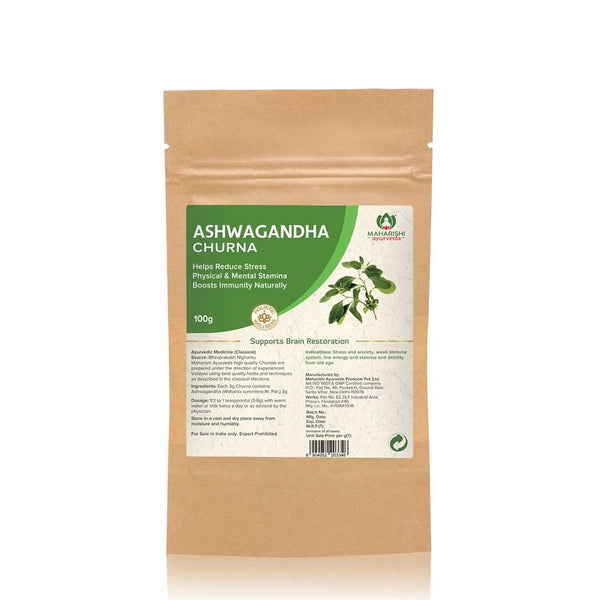
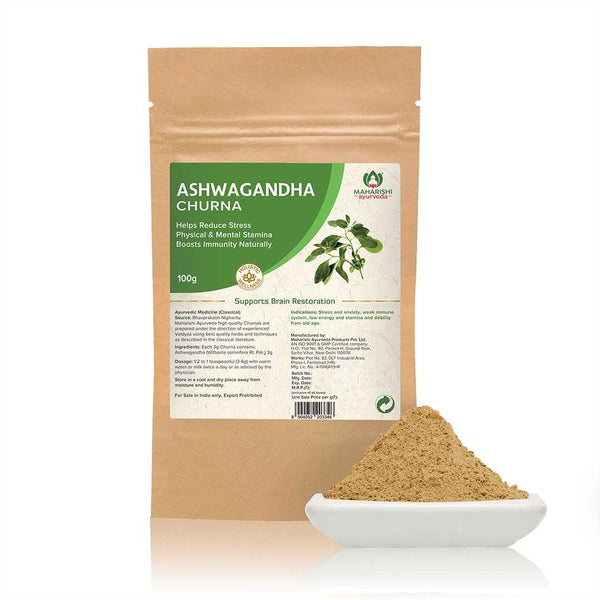
Relieves stress naturally, Supports mental & physical health, Enhances immunity, Helps to increase endurance strength


Boosts immunity, Improves digestion, Detoxifies the body, Keeps hair, skin, eyes, and scalp healthy, Certified by ECOCERT