FILTERS
Balancing Lifestyle and Diet During the Winter Season

Winter brings a shift in the environment: cold, dryness, wind, and longer nights. Ayurveda believes that the inner environment responds similarly, as the body is a miniature reflection of the universe. Hemanta and Shishira Ritu (early and late winter) are considered powerful seasons: the body’s strength (bala) and digestive fire (agni) naturally rise, helping build immunity, vitality, and long-term reserves of ojas.
But here’s the catch: When not supported with the right food, warmth, and routine, the strong agni can contribute to problems such as joint pain and stiffness; recurrent cough and cold; dryness of skin; fatigue; and digestive disturbances. The seasonal change also imbalances Vata Dosha (bio-energy stream in the body), which further aggravates the problems. With the right winter regimen, however, the season becomes a foundation for year-round resilience.
TL;DR – Ayurvedic Winter Diet & Lifestyle Essentials
- Winter Strengthens Agni: Hemanta and Shishira boost digestion and immunity, but without proper nourishment, strong agni can cause dryness, fatigue, and Vata imbalance.
- Eat Warm & Nourishing Foods: Favor sweet, sour, and salty tastes; freshly cooked meals with ghee, grains, lentils, nuts, and seasonal vegetables to protect tissues and build ojas.
- Avoid Fasting & Cold Foods: Skipping meals, raw foods, and cold drinks aggravate Vata and weaken nourishment regular warm meals and hydration are essential.
- Follow a Warming Lifestyle: Daily abhyanga, warm baths, adequate clothing, moderate exercise, and draft-free living spaces help maintain circulation and joint comfort.
- Boost Immunity & Balance Mind: Herbal teas, Nasya, steam inhalation, rasayanas, sunlight exposure, and Pranayama support respiratory health, energy, and emotional balance.
Winter Through the Ayurvedic Lens
Ayurveda believes that the cold environment prevents the body’s internal heat from dispersing outward. The concentrated heat within is what makes digestive fires strong. If optimum nourishing food is not part of one’s diet during this time, the strong agni or digestive fire may begin to ‘consume’ tissue nourishment, weakening the system, creating dryness, and leading to a Vata imbalance. Ayurveda recommends a nourishing diet comprising sweet, sour, and salty foods that are warm and unctuous, so that the strong agni is utilised beneficially, the tissues or dhatus are protected, and Vata is stabilised.
Ayurvedic Winter Diet (Ahara)
Be mindful of the mix of tastes
For a winter diet, Ayurveda emphasises foods that are madhura (sweet), amla (sour), and lavana (salty) as these tastes prevent tissue depletion caused by strong agni; pacify aggravated Vata; nourish dhatus (tissues); improve lubrication, and align with the seasonal metabolic shift.
Meals must be freshly cooked and served warm
Preferably in ghee or other healthy fats to protect against dryness and support digestion.
Avoid cold, dry, raw or leftover food
As these tend to weaken agni. Also, limit the consumption of bitter, pungent, or astringent-tasting foods. Snacks such as salads and crackers may aggravate Vata this season, while fried foods are likely to imbalance Kapha in the late winter.
Eat foods that Ayurveda recommends for the season
Ayurvedic texts state that this is the best season to consume heavier, strength-promoting foods, as agni is strong. These include:
• Consume bajra and makka, as they are drying and help keep Kapha in balance. Cooking these grains with ghee or clarified butter further helps balance Vata. Other nourishing staples to include are wheat, brown rice, freshly harvested corn, and lentils such as black gram, mung, and masoor.
• Sugarcane products such as jaggery support energy levels and tissue nourishment.
• Nuts and seeds like sesame, almonds, and walnuts are good for snacking.
• Warming vegetables such as carrots, beets, radish, sweet potatoes, and leafy greens are ideal seasonal choices.
• Strong winter agni supports easy digestion of fermented foods, so these may be added to meals as per preference.
Fortify meals with warming spice
Which help sustain agni. Ginger, Black Pepper, Cumin, Ajwain, Cinnamon, Cloves, and Turmeric enhance digestion and prevent Kapha accumulation as winter progresses toward Shishira. These spices help digest heavier foods without causing sluggishness.
Warm water and herbal infusions are advised
Warm hydration improves circulation, supports digestion, prevents ama formation, and counters Vata-induced dryness. Ice-laden drinks and refrigerated beverages should be strictly avoided.
Fasting is a no-no
This season as the strong agni demands regular nourishment. Prolonged gaps between meals can increase dryness, cravings, and tissue depletion. Since winter nights are long and morning hunger is stronger, having an early, nourishing breakfast helps maintain balance and sustain energy throughout the day.
Turmeric Ginger Tea: Warming Blend for Immunity & Digestion
A healing Ayurvedic infusion that strengthens immunity, eases inflammation, and supports gut health.
Buy Now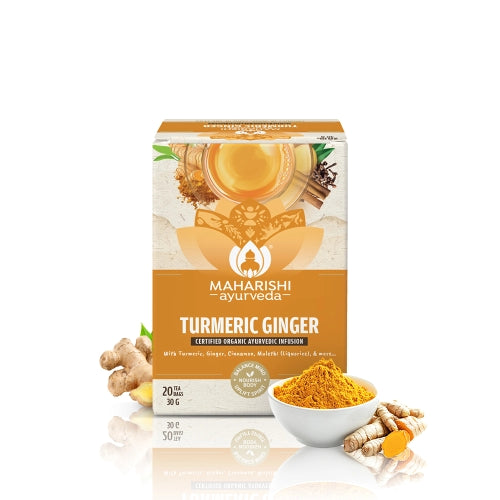
Ayurvedic Lifestyle Suggestions for Winter
Cold entering through the extremities aggravates Vata, lowering resilience. Ensure you are warmly dressed and extremities covered adequately.
Living spaces need to be warm and draft-free, since stable warmth supports circulation, digestion, and immunity.
Ayurveda strongly recommends abhyanga (oil massage) in winter, especially of the head, ears, feet, joints, and dry areas. Use warm sesame oil or Vata-pacifying medicated oils to protect tissues, support the skin barrier, and calm the nervous system. Bathe with warm water, followed by oil or a light moisturiser.
Winter is also the best season for exercise in order to keep up warmth and circulation, but remember, over-exertion can provoke Vata.
Gentle fumigation or aromatic warming practices (traditional Dhoopana, for instance) are recommended, particularly when the air feels heavy, or the respiratory tract feels sensitive.
Boost Winter Immunity – the Ayurvedic Way
• Drink an adequate amount of warm water to support digestion, circulation, and Vata balance.
• Include herbal teas with ginger, tulsi, cinnamon, or liquorice to strengthen your immune response.
• Practise Nasya with warm sesame oil or ghee (when indicated) to protect the nose and throat, the primary entry points for seasonal pathogens. Nasya involves instilling warm oil drops into both nostrils.
• Use steam inhalation or gentle fumigation with Agaru or other Vata-pacifying herbs to clear congestion and maintain respiratory comfort.
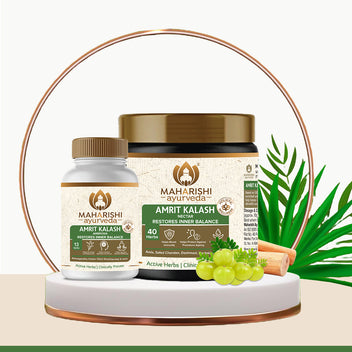
• Rasayana therapy during winter allows deeper absorption and tissue nourishment, promoting immunity against seasonal problems. These therapies include regular consumption of Chyawanprash, Maharishi Amrit Kalash (MAK), Agastya Rasayan, Brahma Rasayan, and Chitrak Haritaki, depending on individual constitution.
• Strengthen immunity and antioxidant defences with Amla preparations. Other herbs such as Ashwagandha, Shatavari, and Guduchi help enhance resilience and recovery and may be used as required.
• Build and preserve ojas (inner vitality) by consuming ghee, warm milk (if suitable), dates, and meals prepared with shad rasa (the six primary tastes) to ensure balanced nourishment.
Promote Mental & Emotional Balance
Winter heaviness and low motivation often reflect increased Kapha and rising tamas (inertia and darkness within). Reduced sunlight, long nights, and less movement all add up to create this condition.
Ayurveda advises morning sunlight exposure, daily abhyanga, uplifting aromas, warm social environments, and regular meal timings. Meditation and Pranayama (rhythmic breathing exercises) help maintain clarity, reduce stress, and protect ojas or vitality; proper rest prevents Vata-Pitta agitation – particularly offset by late nights and irregular schedules.
Prevent Common Winter Problems with Ayurveda
Cold and Cough
Winter cold and dryness aggravate Vata and Kapha, making the respiratory tract vulnerable to recurrent infections.
• Sip warm water throughout the day to clear mucus and support digestion.
• Tulsi–ginger tea helps strengthen immunity and soothes the throat.
• Fresh ginger taken with honey helps relieve cough and throat irritation.
• Steam inhalation with ajwain or eucalyptus helps open the airways.
• Warm mustard oil mixed with a pinch of rock salt, when rubbed on the chest and soles, enhances circulation and provides warmth.
Dry Skin
This is caused by increased Vata and loss of natural oils. - Daily abhyanga with warm sesame oil about 30 minutes before bathing nourishes the skin and restores its protective barrier.
• After a warm bath or shower, apply oil all over the body to seal in moisture and prevent skin cracking, itching, and roughness.
• Avoid harsh soaps and excessive scrubbing to protect the skin, which is more delicate during the cold season.
• Joint Pain & Stiffness.Winter commonly worsens joint pain due to cold-induced Vata aggravation and reduced lubrication.Apply warm medicated oils such as Mahanarayana oil, Bala–Ashwagandha oil, or Pirant oil to improve circulation and relieve stiffness.
• Opt for warm baths to help relax muscles and joints.
• Eat meals enriched with turmeric, ginger, and garlic to support internal warmth and reduce inflammation. Black sesame seeds, walnuts, and gond (natural edible gum) help maintain body warmth.
• Avoid early morning exposure to cold, as this helps prevent pain flare-ups.
Seasonal Fatigue
This condition arises when digestion weakens, or routines become irregular despite strong winter agni.
• Support the body with rasayanas such as Chyawanprash or Maharishi Amrit Kalash to nourish the dhatus and improve stamina.
• Warm herbal teas consumed throughout the day help maintain energy levels.
• Follow a healthy sleep schedule aligned with longer winter nights, allowing the body to repair and rejuvenate.
• Eat nourishing foods and include dates, ghee, and seeds in your diet to help sustain strength and prevent exhaustion.
Sinus Congestion
Cold air and increased Kapha can lead to sinus congestion and heaviness in winter.
• In the mornings, Nasya therapy using warm sesame oil or Anu Tailam helps protect the nasal lining and supports sinus health. This involves placing a few drops of warm oil in both nostrils.
• Add a few drops of eucalyptus oil to hot water and take daily evening steam inhalation to help clear nasal passages and loosen mucus.
• Ensure the head, ears, and neck are well covered to prevent cold exposure.
• Avoid cold and heavy foods during congestion, as they can increase mucus formation.
• Tulsi leaves, either chewed directly or infused in warm water, further support respiratory health.
Create your Winter Wellness Daily Routine
Now that you are equipped with the time-tested Ayurvedic suggestions, map your day to a routine that suits you. Get your family aligned and enjoy the season!
Explore Maharishi Ayurveda Rejuvenation Collection →
Vaidya Consultation: Personalized Ayurvedic Guidance
Book a consultation with our Vaidya for holistic health advice tailored to your dosha.
Book Now
TESTIMONIAL
Saijani Sahu, 48, Senior MNC professional, Delhi
‘Winter is not my season! Having grown up in Bangalore, it’s been tough living and working in polluted Delhi, particularly in the winter. I hate the cold, and with my arthritic genes (my mother suffers from it; my grandmother did too), the aches and pains play up big time. So does my sinus issues – inherited from my father’s side!
This October, quite by chance I happened to meet a Vaidya working in Maharishi Ayurveda. We ended up talking of the cold and pollution in Delhi & she suggested I try some lifestyle tips from Ayurveda and recommended I take Amrit Kalash tablets – Ayurvedic wellness herbal supplements – daily.
I incorporated Ayurvedic easy home therapies nasya (putting desi ghee droplets into nostrils) and abhangya (light massaging with warm sesame oil about 30 minutes before my shower). The other challenge I took up was to make lunch the heaviest meal in the day and dinner the lightest - this was very difficult as most times I would often skip lunch and have an enormous dinner instead!
But following just the few Ayurvedic tips, I have to say, I am feeling much better this winter! I am trying to make regular Pranayama my next goal…
Popular Posts

Neck Stiffness: Causes, Relief Tips and Prevention
26 Oct, 2026Some mornings, your neck feels stiff and hard to move. Even turning your head to check your phone...
Read more
Types of Headaches: Types, Causes, Symptoms and Relief Options
22 Oct, 2026You might consider a headache at the end of a long day when fatigue is felt. However, if pain com...
Read more
Home Remedies for Migraine: Simple Remedies and When to See a Doctor
16 Oct, 2026Migraine is more than an ordinary headache that strikes at the worst time. People are eager to fi...
Read more